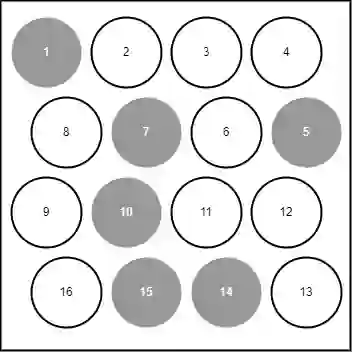
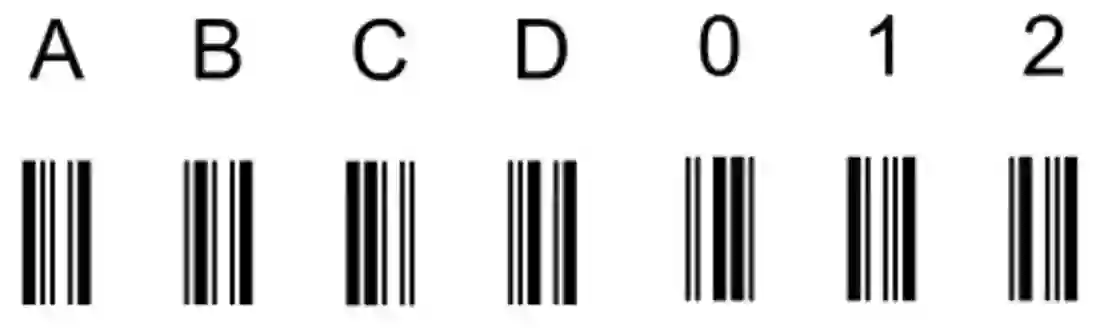
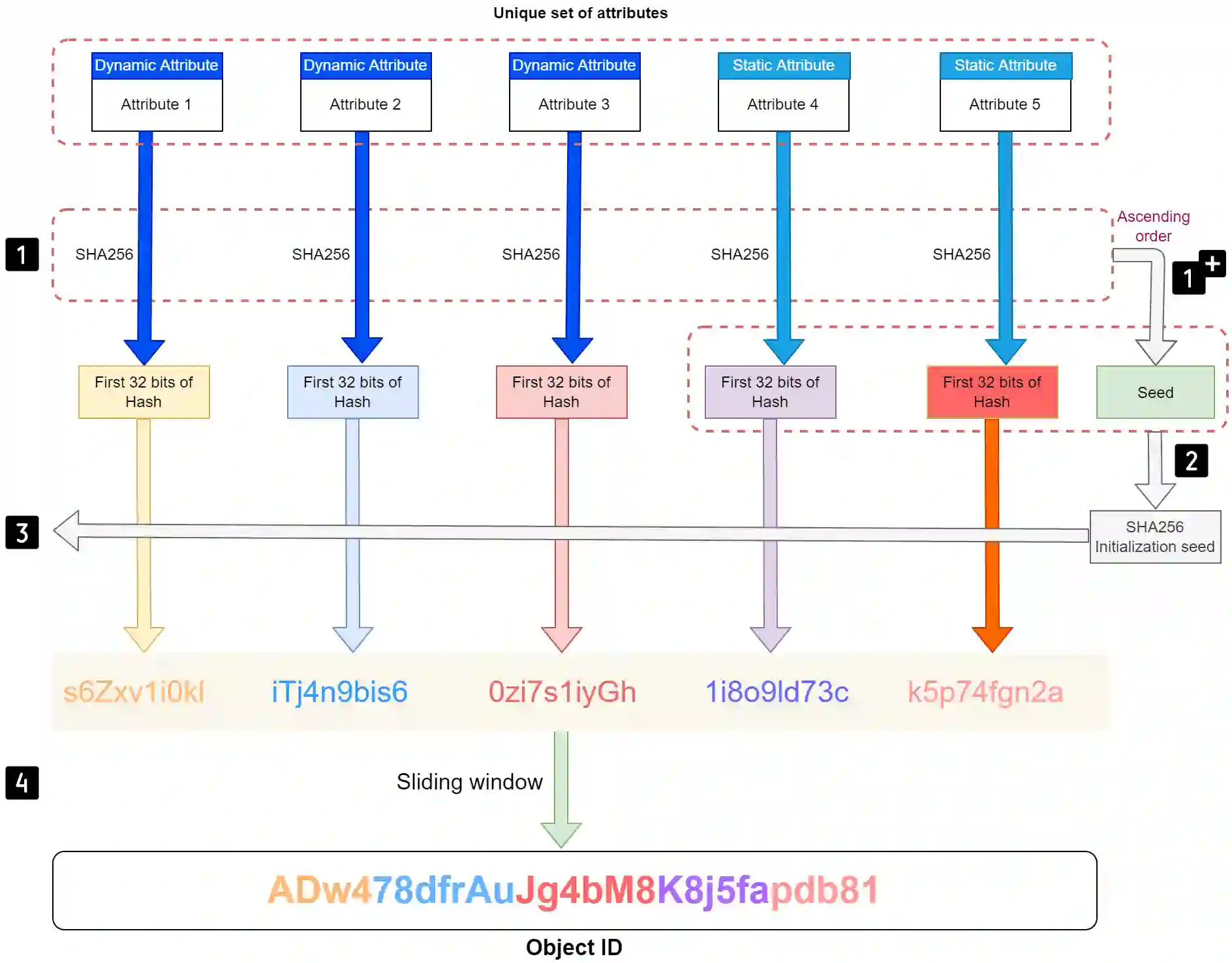
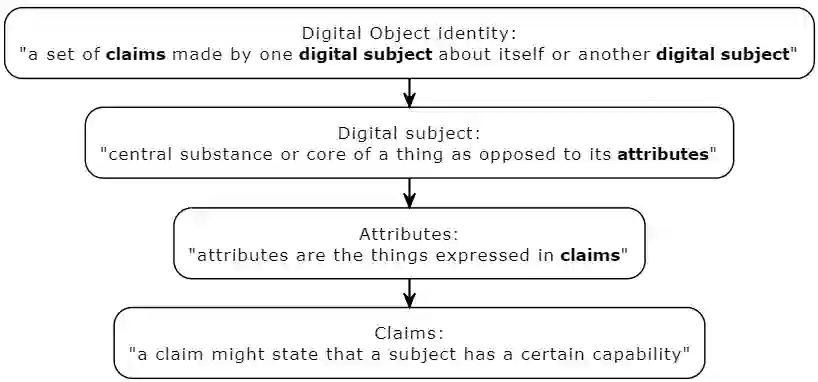
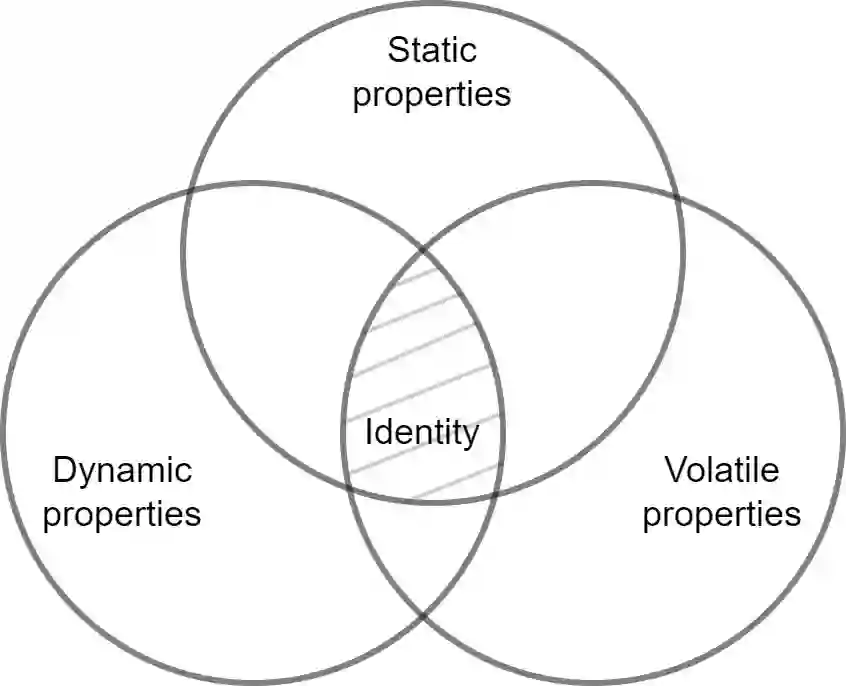
With the rising numbers for IoT objects, it is becoming easier to penetrate counterfeit objects into the mainstream market by adversaries. Such infiltration of bogus products can be addressed with third-party-verifiable identification. Generally, state-of-the-art identification schemes do not guarantee that an identifier e.g. barcodes or RFID itself cannot be forged. This paper introduces identification patterns representing the objects intrinsic identity by robust hashes and not only by generated identification patterns. Inspired by these two notions, a collection of uniquely identifiable attributes called quasi-identifiers (QI) can be used to identify an object. Since all attributes do not contribute equally towards an object's identity, each QI has a different contribution towards the identifier. A robust hash developed utilising the QI has been named fuzzified robust hashes (FaR hashes), which can be used as an object identifier. Although the FaR hash is a single hash string, selected bits change in response to the modification of QI. On the other hand, other QIs in the object are more important for the object's identity. If these QIs change, the complete FaR hash is going to change. The calculation of FaR hash using attributes should allow third parties to generate the identifier and compare it with the current one to verify the genuineness of the object.


翻译:随着物联网对象数量的增长,攻击者更容易将伪造对象渗透到主流市场中。此类假冒产品的渗透可通过第三方可验证的识别来解决。一般来说,最先进的识别方案无法保证标识符(如条形码或RFID)本身不可伪造。本文提出了一种识别模式,该模式通过鲁棒哈希而非仅通过生成的识别模式来表示对象的固有身份。受这两个概念的启发,一组称为准标识符(QI)的唯一可识别属性可用于识别对象。由于所有属性对对象身份的贡献并不相同,每个准标识符对标识符的贡献也不同。利用准标识符开发的鲁棒哈希被称为模糊化鲁棒哈希(FaR哈希),可用作对象标识符。尽管FaR哈希是一个单一的哈希字符串,但选定的比特会随着准标识符的修改而变化。另一方面,对象中的其他准标识符对对象身份更为重要。如果这些准标识符发生变化,整个FaR哈希将随之改变。使用属性计算FaR哈希应允许第三方生成标识符,并将其与当前标识符进行比较,以验证对象的真实性。
0
下载
关闭预览

相关内容

【SIGGRAPH2019】TensorFlow 2.0深度学习计算机图形学应用
专知会员服务
41+阅读 · 2019年10月9日
AAAI 2022 | 对抗攻击鲁棒的异质图神经网络
PaperWeekly
1+阅读 · 2022年8月16日
【关系抽取】从文本中进行关系抽取的几种不同的方法
深度学习自然语言处理
29+阅读 · 2020年3月30日
Hierarchically Structured Meta-learning
CreateAMind
27+阅读 · 2019年5月22日
深度自进化聚类:Deep Self-Evolution Clustering
我爱读PAMI
15+阅读 · 2019年4月13日
LibRec 精选:推荐系统的常用数据集
LibRec智能推荐
17+阅读 · 2019年2月15日
强化学习的Unsupervised Meta-Learning
CreateAMind
18+阅读 · 2019年1月7日
Unsupervised Learning via Meta-Learning
CreateAMind
44+阅读 · 2019年1月3日
【泡泡一分钟】端到端的弱监督语义对齐
泡泡机器人SLAM
53+阅读 · 2018年4月5日
国家自然科学基金
0+阅读 · 2015年12月31日
国家自然科学基金
0+阅读 · 2014年12月31日
国家自然科学基金
0+阅读 · 2013年12月31日
国家自然科学基金
0+阅读 · 2013年12月31日
国家自然科学基金
2+阅读 · 2013年12月31日
国家自然科学基金
0+阅读 · 2012年12月31日
国家自然科学基金
0+阅读 · 2011年12月31日
国家自然科学基金
0+阅读 · 2011年12月31日
国家自然科学基金
0+阅读 · 2009年12月31日
Arxiv
0+阅读 · 2023年5月17日
Arxiv
0+阅读 · 2023年5月17日
Arxiv
0+阅读 · 2023年5月17日
Arxiv
0+阅读 · 2023年5月16日
Arxiv
46+阅读 · 2021年10月4日
VIP会员
最新内容
ICML 2026 | CFPO:用反事实策略优化提升多模态推理
专知会员服务
1+阅读 · 今天14:45
综述 | 世界动作模型:少做梦,多行动
专知会员服务
1+阅读 · 今天14:43
美以伊冲突:无人机与人工智能的运用
专知会员服务
3+阅读 · 今天14:31
《特种部队在透明战场中的生存力》最新报告
专知会员服务
2+阅读 · 今天14:11
《人工智能生成的零日漏洞:对未来作战的影响》
综述 | 3D场景图:开放挑战与未来方向
专知会员服务
8+阅读 · 6月22日
21世纪的无人机战争
专知会员服务
4+阅读 · 6月22日
《量子技术的军事任务技术适配与利用》
专知会员服务
5+阅读 · 6月22日
相关VIP内容
【SIGGRAPH2019】TensorFlow 2.0深度学习计算机图形学应用
专知会员服务
41+阅读 · 2019年10月9日
相关资讯
AAAI 2022 | 对抗攻击鲁棒的异质图神经网络
PaperWeekly
1+阅读 · 2022年8月16日
【关系抽取】从文本中进行关系抽取的几种不同的方法
深度学习自然语言处理
29+阅读 · 2020年3月30日
Hierarchically Structured Meta-learning
CreateAMind
27+阅读 · 2019年5月22日
深度自进化聚类:Deep Self-Evolution Clustering
我爱读PAMI
15+阅读 · 2019年4月13日
LibRec 精选:推荐系统的常用数据集
LibRec智能推荐
17+阅读 · 2019年2月15日
强化学习的Unsupervised Meta-Learning
CreateAMind
18+阅读 · 2019年1月7日
Unsupervised Learning via Meta-Learning
CreateAMind
44+阅读 · 2019年1月3日
【泡泡一分钟】端到端的弱监督语义对齐
泡泡机器人SLAM
53+阅读 · 2018年4月5日
相关基金
国家自然科学基金
0+阅读 · 2015年12月31日
国家自然科学基金
0+阅读 · 2014年12月31日
国家自然科学基金
0+阅读 · 2013年12月31日
国家自然科学基金
0+阅读 · 2013年12月31日
国家自然科学基金
2+阅读 · 2013年12月31日
国家自然科学基金
0+阅读 · 2012年12月31日
国家自然科学基金
0+阅读 · 2011年12月31日
国家自然科学基金
0+阅读 · 2011年12月31日
国家自然科学基金
0+阅读 · 2009年12月31日
Top
微信扫码咨询专知VIP会员