

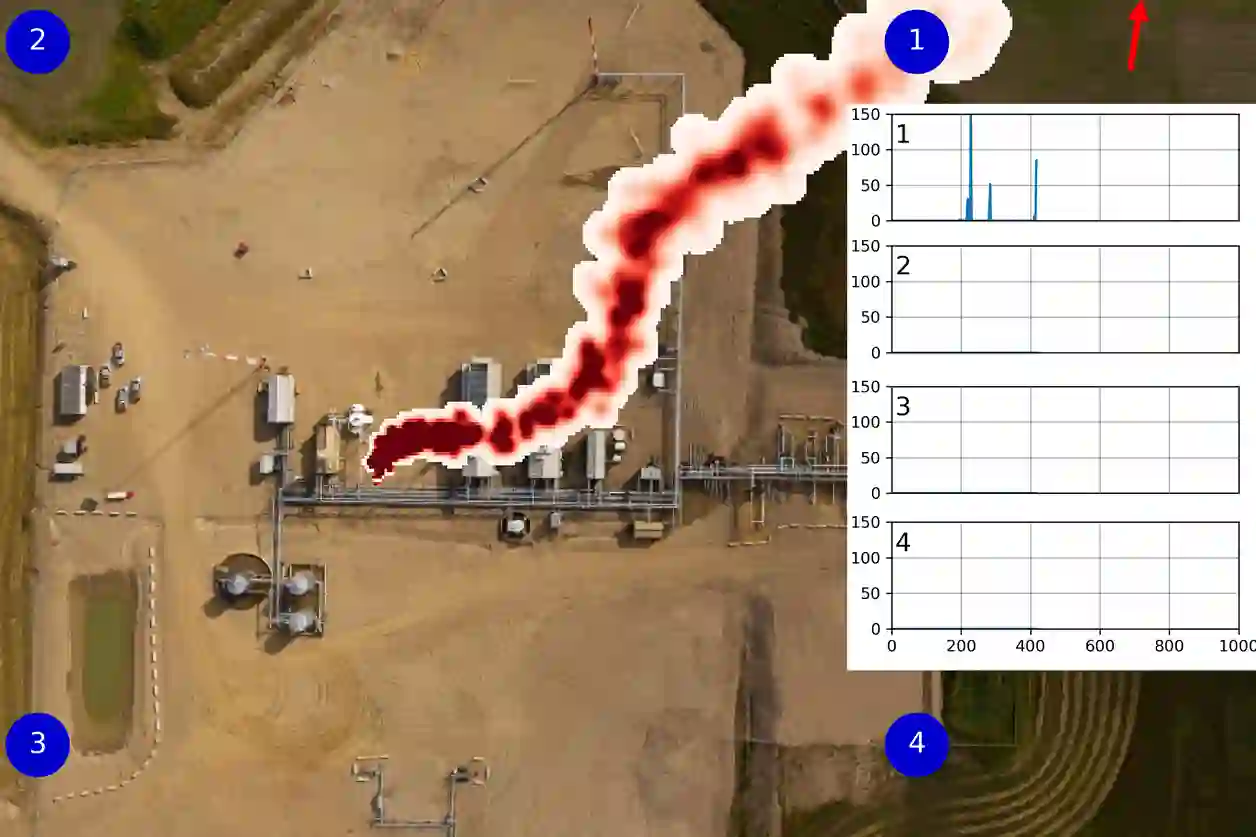
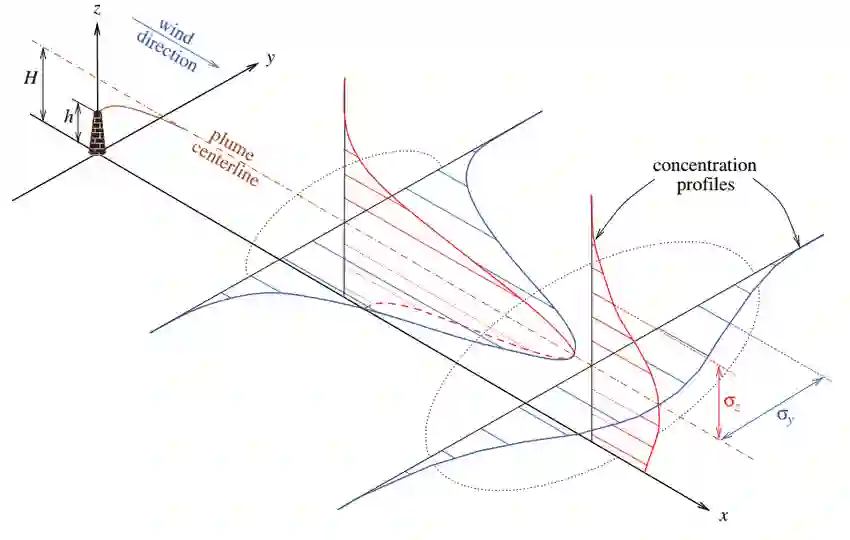
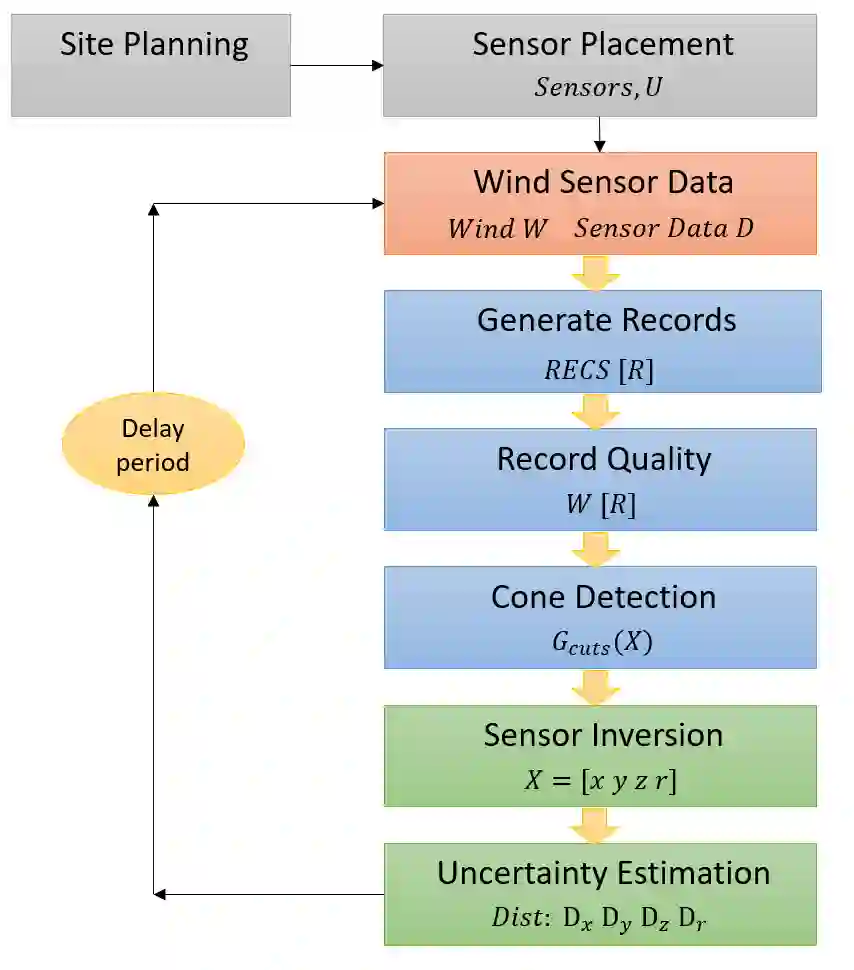
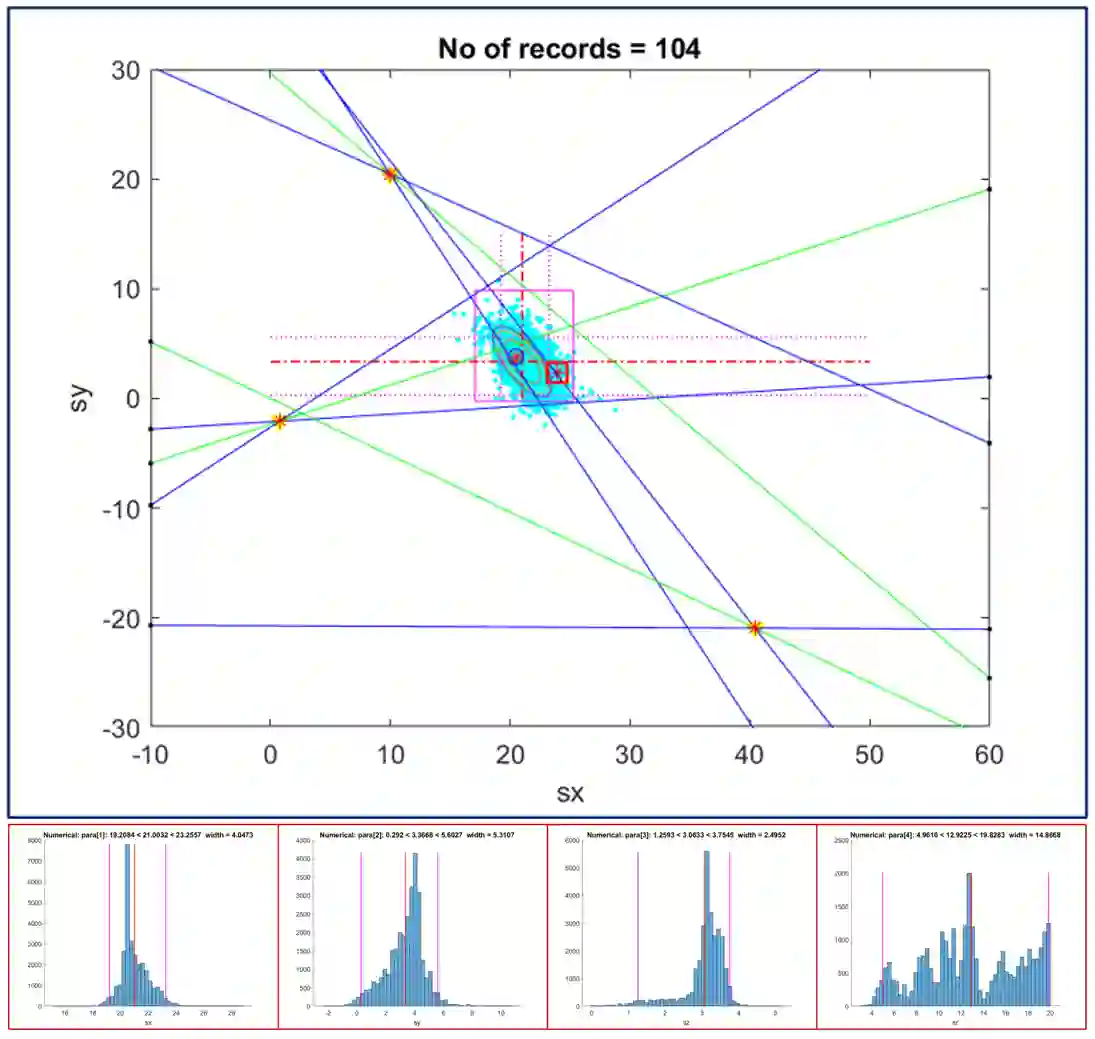
This work presents a procedure that can quickly identify and isolate methane emission sources leading to expedient remediation. Minimizing the time required to identify a leak and the subsequent time to dispatch repair crews can significantly reduce the amount of methane released into the atmosphere. The procedure developed utilizes permanently installed low-cost methane sensors at an oilfield facility to continuously monitor leaked gas concentration above background levels. The methods developed for optimal sensor placement and leak inversion in consideration of predefined subspaces and restricted zones are presented. In particular, subspaces represent regions comprising one or more equipment items that may leak, and restricted zones define regions in which a sensor may not be placed due to site restrictions by design. Thus, subspaces constrain the inversion problem to specified locales, while restricted zones constrain sensor placement to feasible zones. The development of synthetic wind models, and those based on historical data, are also presented as a means to accommodate optimal sensor placement under wind uncertainty. The wind models serve as realizations for planning purposes, with the aim of maximizing the mean coverage measure for a given number of sensors. Once the optimal design is established, continuous real-time monitoring permits localization and quantification of a methane leak source. The necessary methods, mathematical formulation and demonstrative test results are presented.
翻译:本文提出了一种能够快速识别并隔离甲烷排放源以促进及时修复的方法。最小化从泄漏识别到派遣维修人员所需的时间,可显著减少释放到大气中的甲烷量。所开发的方法利用油田设施中永久安装的低成本甲烷传感器,连续监测高于背景水平的泄漏气体浓度。本文介绍了针对预定义子空间和受限区域的最优传感器部署与泄漏反演方法。具体而言,子空间代表可能泄漏的一个或多个设备组成的区域,而受限区域则定义了因现场设计限制而无法部署传感器的区域。因此,子空间将反演问题约束在特定位置,而受限区域则将传感器部署限制在可行区域。本文还介绍了基于历史数据及合成风模型的开发方法,以应对风不确定性下的最优传感器部署。这些风模型作为规划用途的随机实现,旨在针对给定数量的传感器最大化平均覆盖指标。一旦建立最优设计,连续实时监测即可实现甲烷泄漏源的定位与量化。文中给出了必要的方法、数学公式及验证性测试结果。




相关内容

Source: Apple - iOS 8




 微信扫码咨询专知VIP会员