

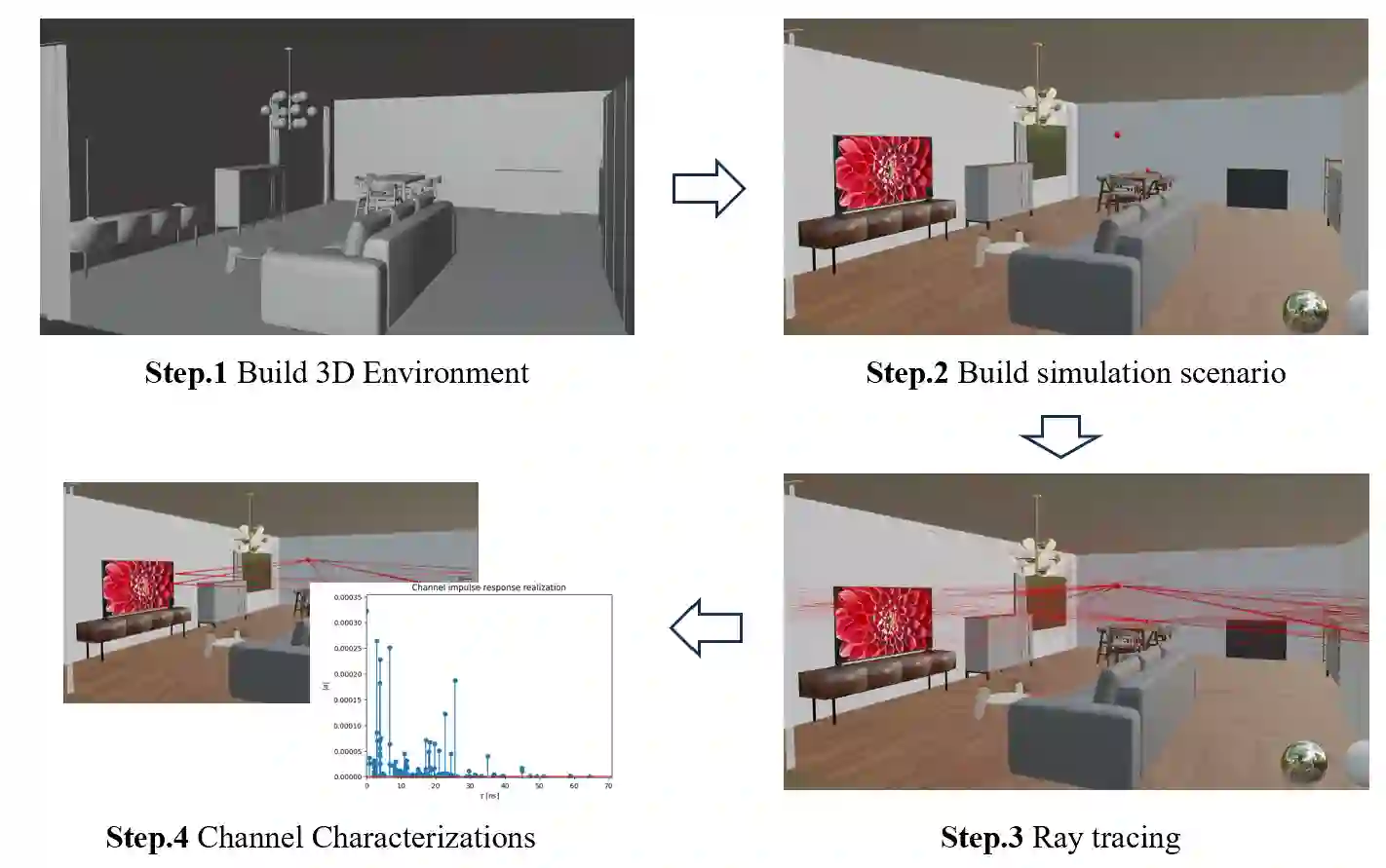
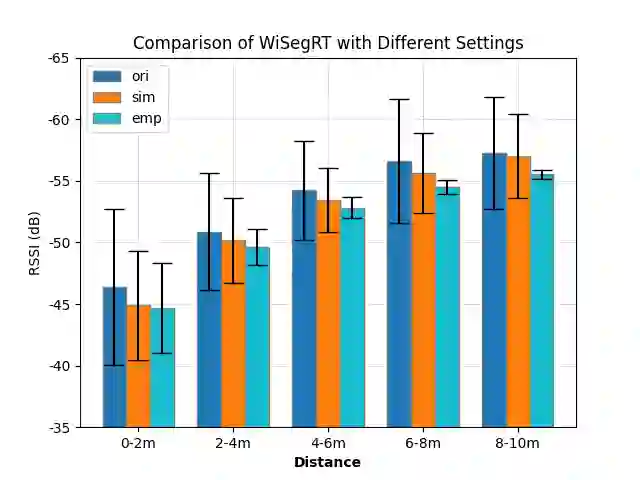
Channel modeling is fundamental in advancing wireless systems and has thus attracted considerable research focus. Recent trends have seen a growing reliance on data-driven techniques to facilitate the modeling process and yield accurate channel predictions. In this work, we first provide a concise overview of data-driven channel modeling methods, highlighting their limitations. Subsequently, we introduce the concept and advantages of physics-informed neural network (PINN)-based modeling and a summary of recent contributions in this area. Our findings demonstrate that PINN-based approaches in channel modeling exhibit promising attributes such as generalizability, interpretability, and robustness. We offer a comprehensive architecture for PINN methodology, designed to inform and inspire future model development. A case-study of our recent work on precise indoor channel prediction with semantic segmentation and deep learning is presented. The study concludes by addressing the challenges faced and suggesting potential research directions in this field.
翻译:信道建模是推进无线系统发展的基础,因此吸引了大量研究关注。近年来的趋势显示,数据驱动技术日益被用于简化建模过程并生成精确的信道预测。本文首先简要概述了数据驱动信道建模方法,并指出其局限性。随后,我们介绍了基于物理知识驱动神经网络(PINN)建模的概念与优势,并总结了该领域近期的相关贡献。研究结果表明,基于PINN的信道建模方法在泛化性、可解释性和鲁棒性方面展现出显著优势。我们提出了一种全面的PINN方法论架构,旨在为未来模型开发提供参考与启发。通过展示我们近期基于语义分割与深度学习实现室内信道精确预测的案例研究,本文最后探讨了该领域面临的挑战并提出了潜在的研究方向。




相关内容





 微信扫码咨询专知VIP会员