

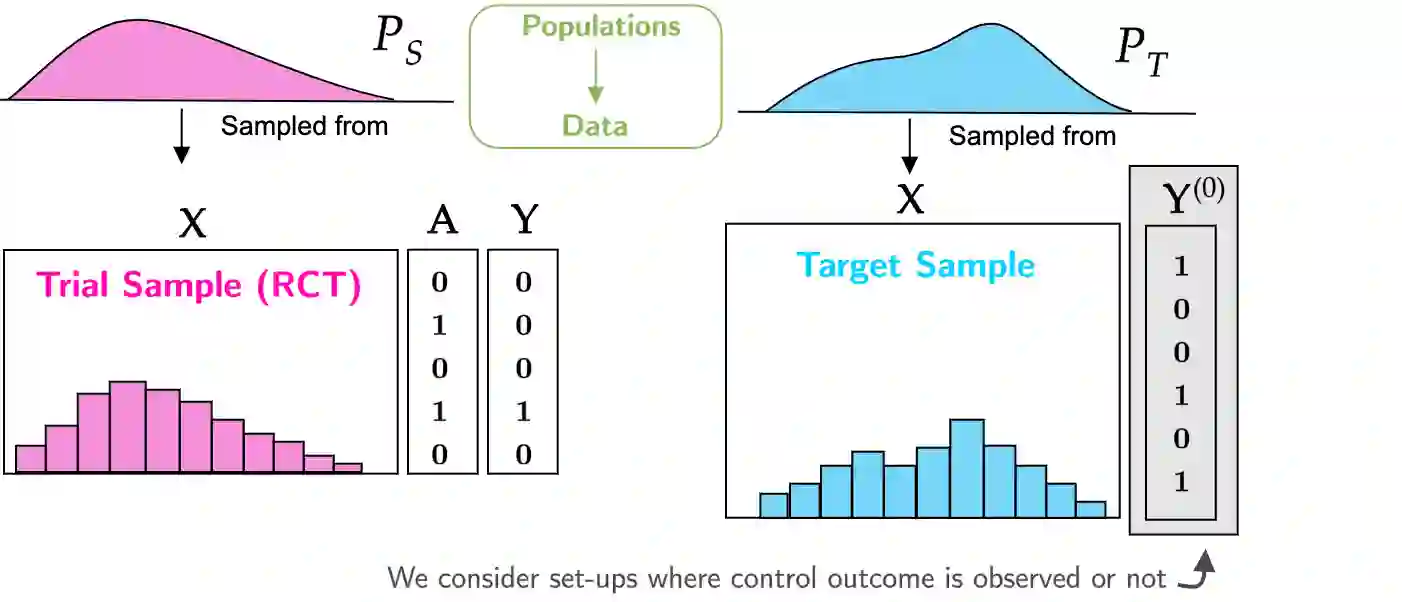
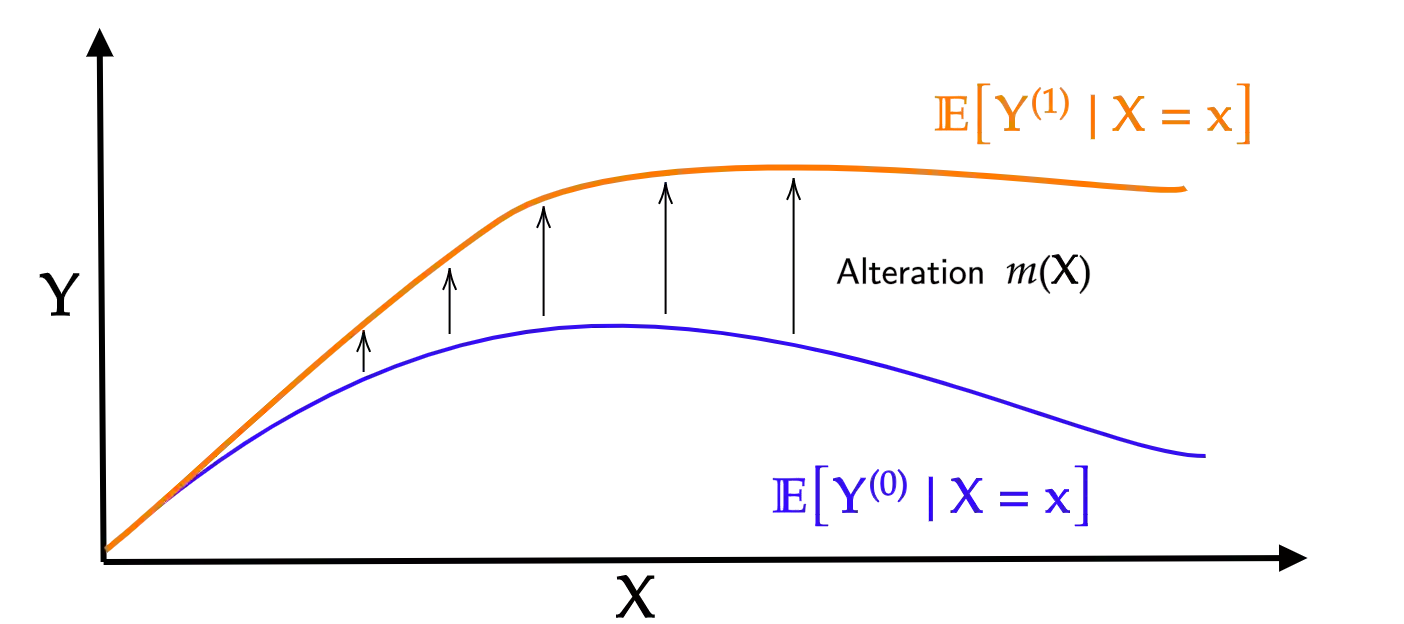
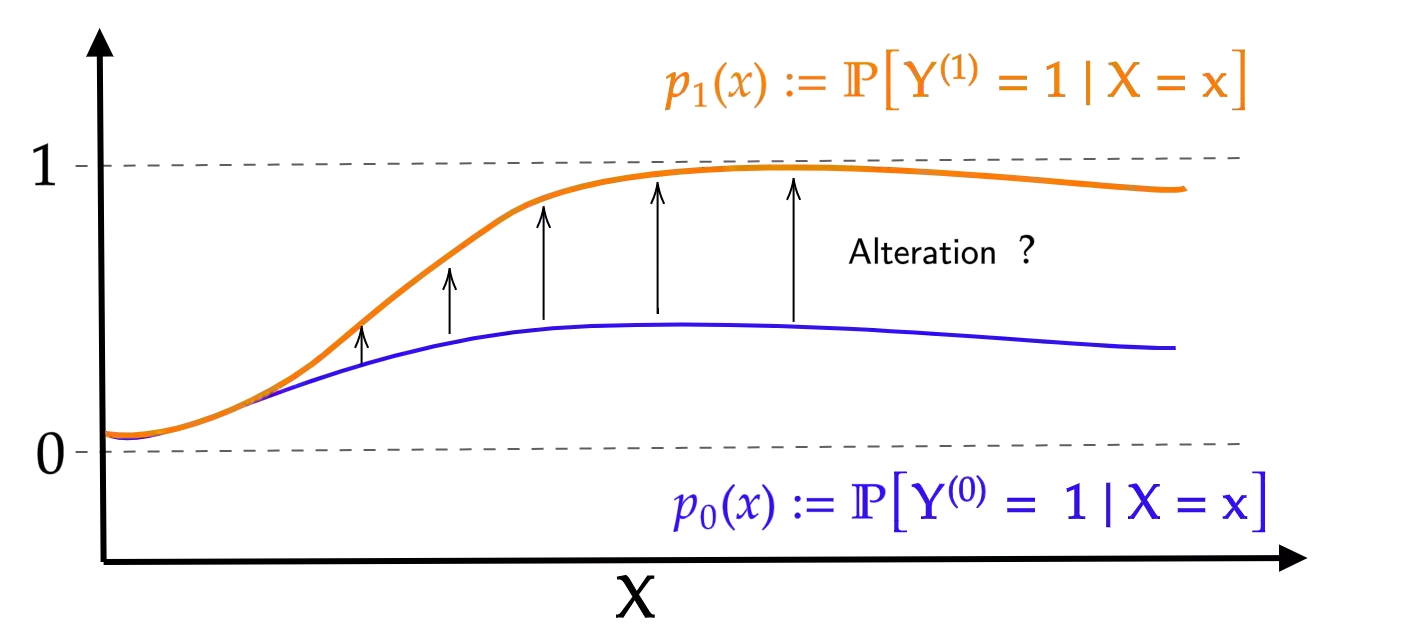
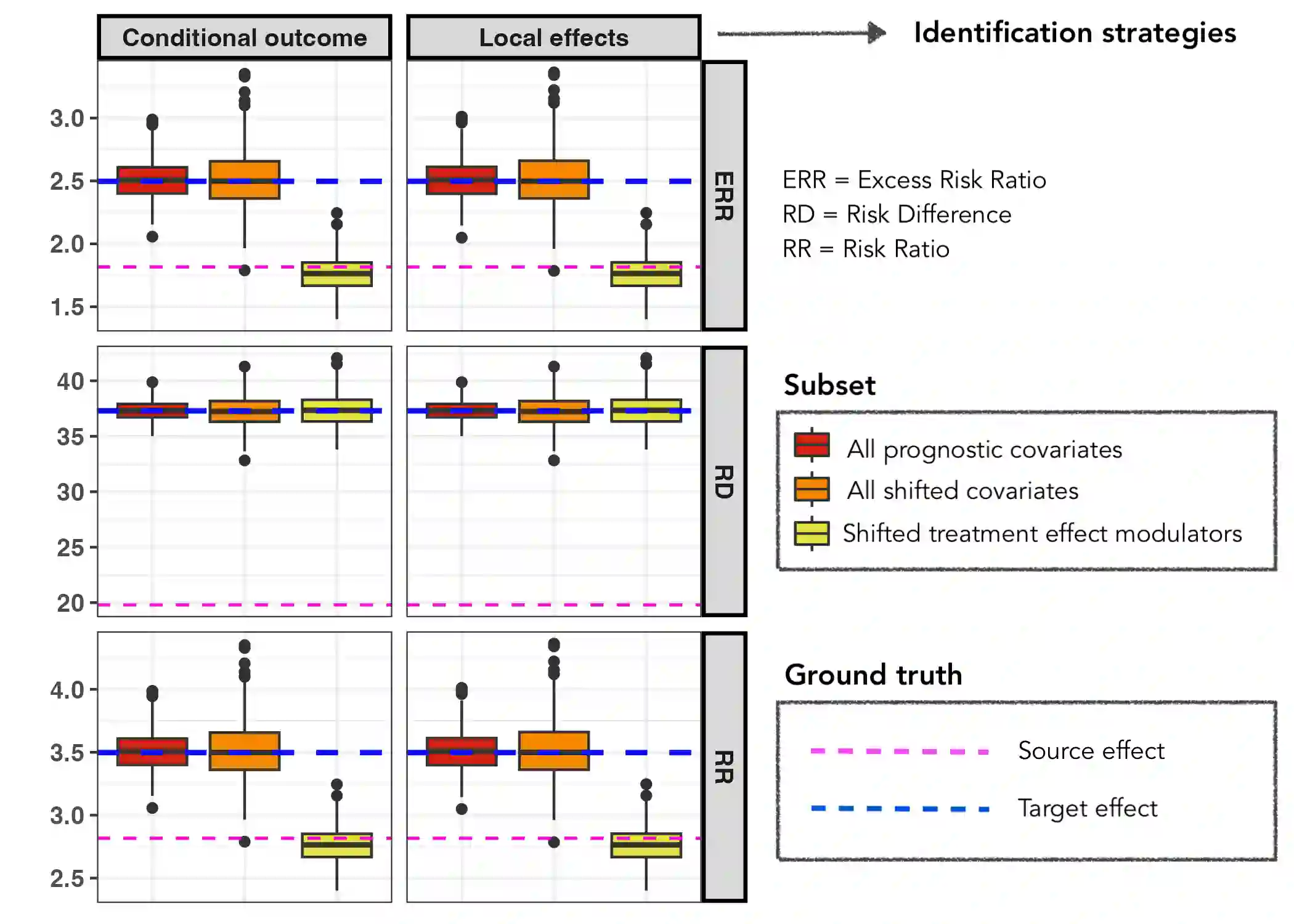
There are many measures to report so-called treatment or causal effect: absolute difference, ratio, odds ratio, number needed to treat, and so on. The choice of a measure, e.g. absolute versus relative, is often debated because it leads to different appreciations of the same phenomenon; but it also implies different heterogeneity of treatment effect. In addition some measures but not all have appealing properties such as collapsibility, matching the intuition of a population summary. We review common measures, and their pros and cons typically brought forward. Doing so, we clarify notions of collapsibility and treatment effect heterogeneity, unifying different existing definitions. But our main contribution is to propose to reverse the thinking: rather than starting from the measure, we propose to start from a non-parametric generative model of the outcome. Depending on the nature of the outcome, some causal measures disentangle treatment modulations from baseline risk. Therefore, our analysis outlines an understanding what heterogeneity and homogeneity of treatment effect mean, not through the lens of the measure, but through the lens of the covariates. Our goal is the generalization of causal measures. We show that different sets of covariates are needed to generalize a effect to a different target population depending on (i) the causal measure of interest, (ii) the nature of the outcome, and (iii) a conditional outcome model or local effects are used to generalize.
翻译:许多指标可用于报告所谓的治疗或因果效应:绝对差异、比率、比值比、需治数等。指标的选择(例如绝对指标与相对指标)常引发争论,因为其会导致对同一现象产生不同认知;但这也意味着治疗效应的异质性差异。此外,某些指标(而非全部)具有令人满意的特性,例如可压缩性,符合总体汇总的直观理解。我们回顾了常见指标及其通常被提及的优缺点,并借此厘清可压缩性与治疗效应异质性的概念,统一了现有不同定义。但我们的主要贡献在于提出逆向思维:我们建议不从指标出发,而是从结果的无参数生成模型入手。根据结果的性质,某些因果度量能将治疗调节与基线风险分离开来。因此,我们的分析勾勒出对治疗效应异质性与同质性的理解——不是通过指标的视角,而是通过协变量的视角。我们的目标是因果度量的推广。研究表明,根据(i)感兴趣的因果度量、(ii)结果的性质,以及(iii)用于推广的条件结果模型或局部效应,需要不同的协变量集才能将效应推广到不同的目标人群。




相关内容

 微信扫码咨询专知VIP会员