

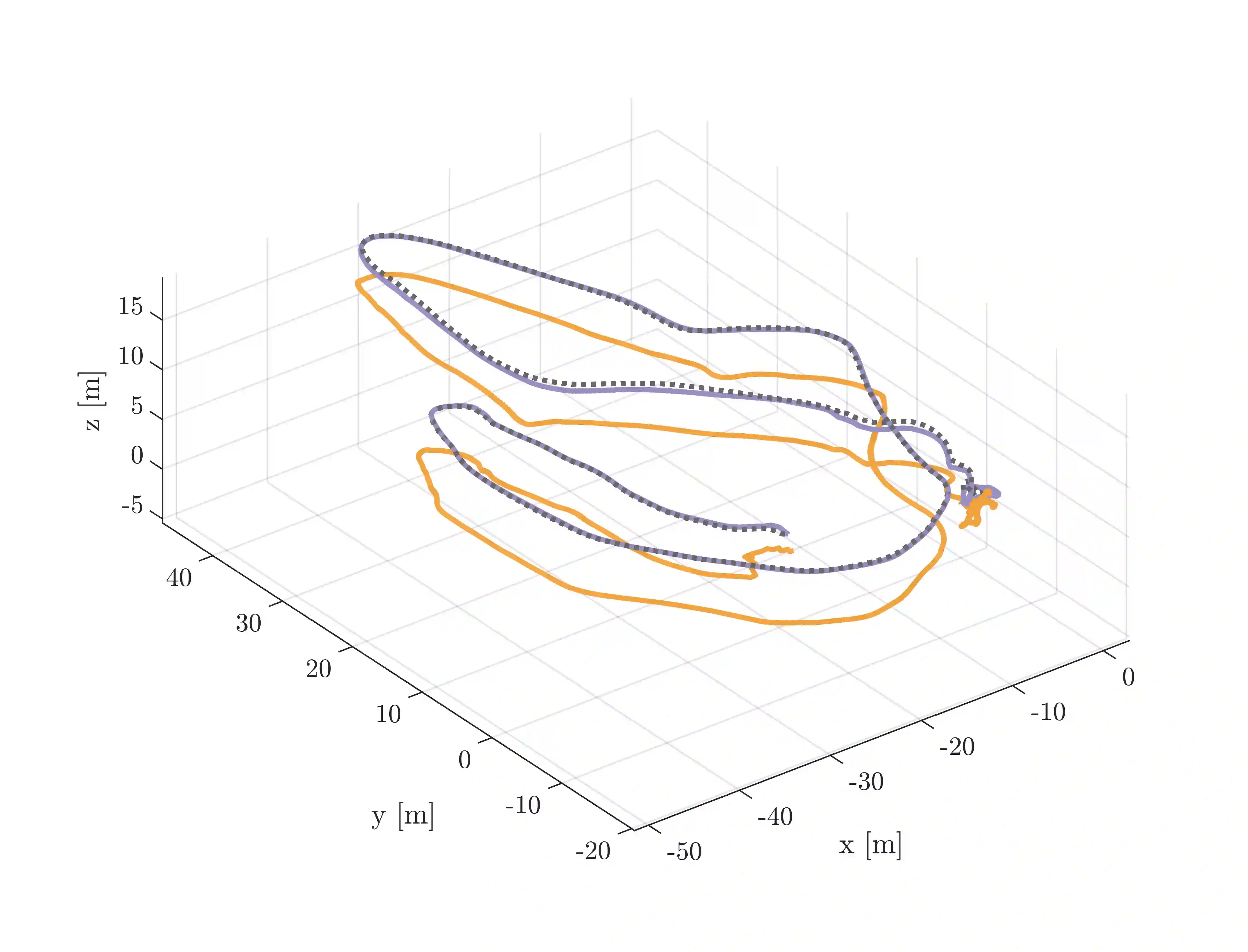
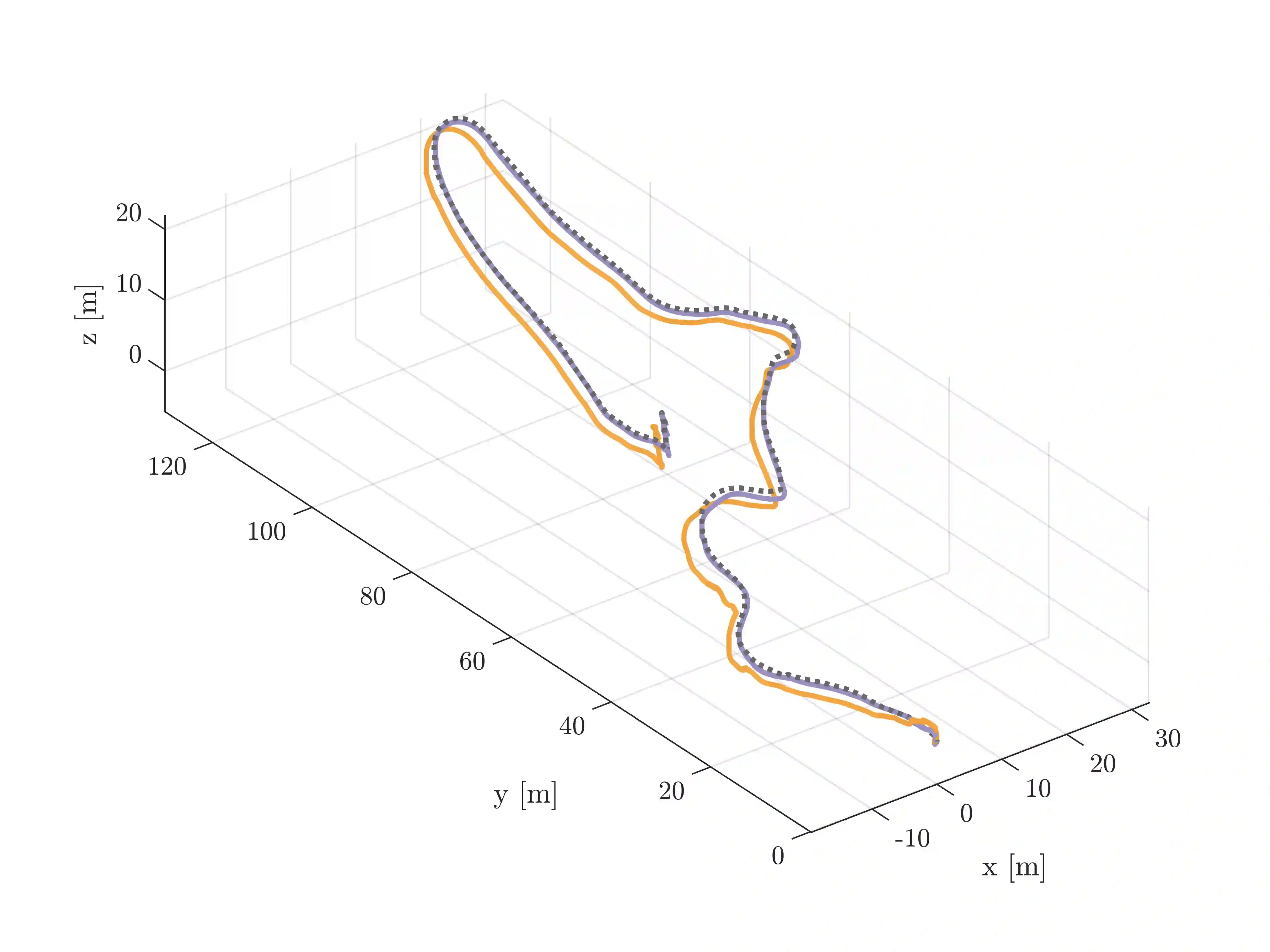
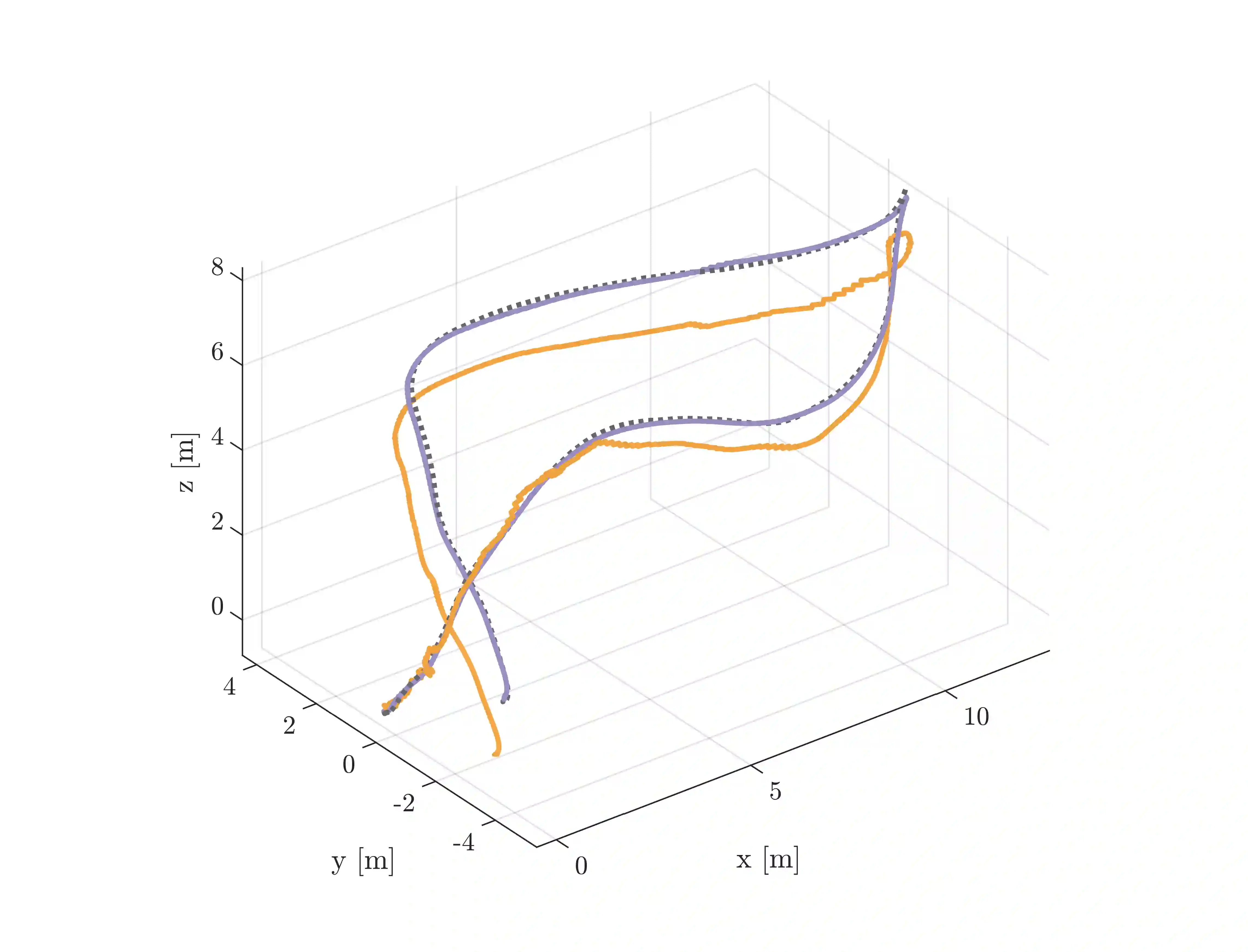
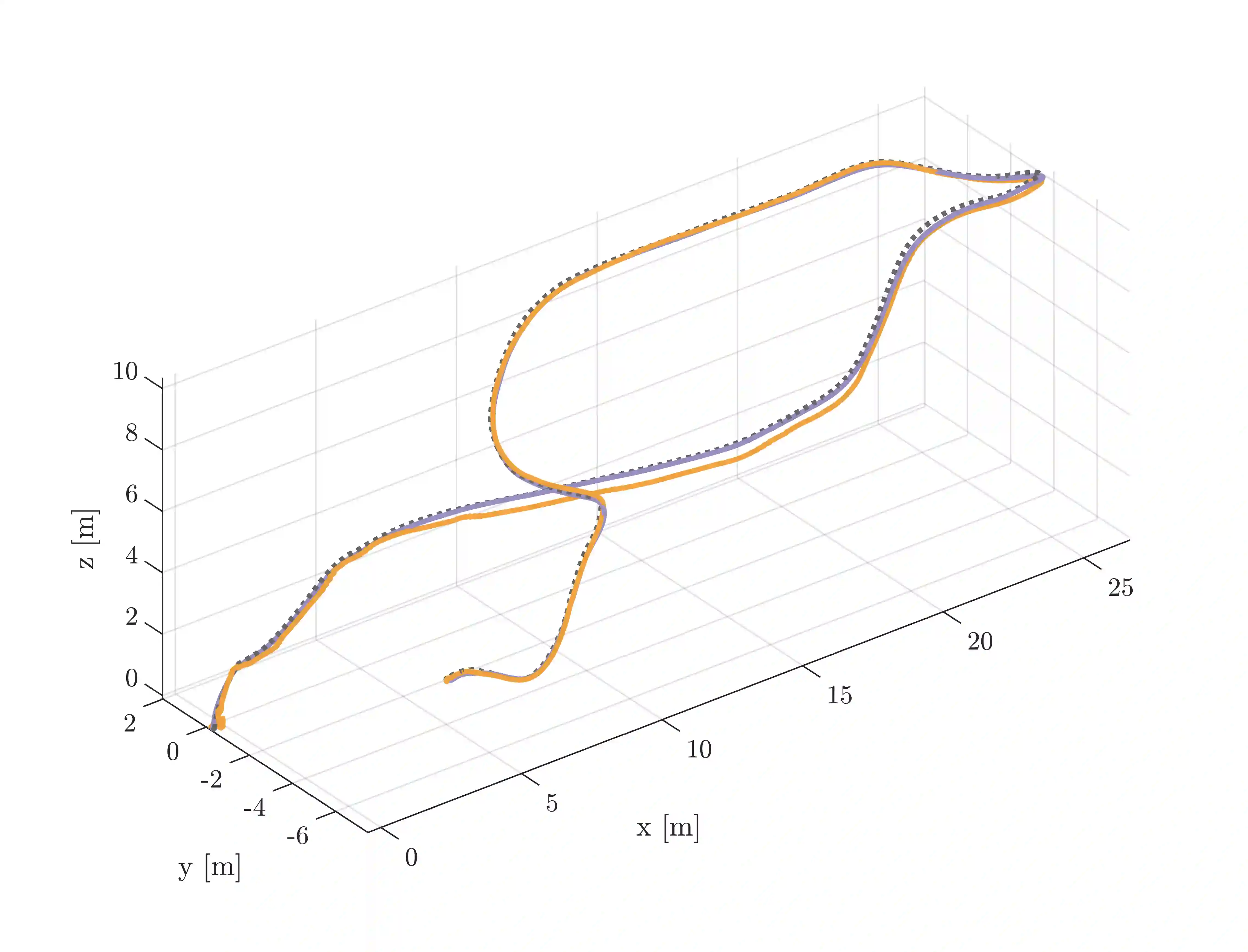
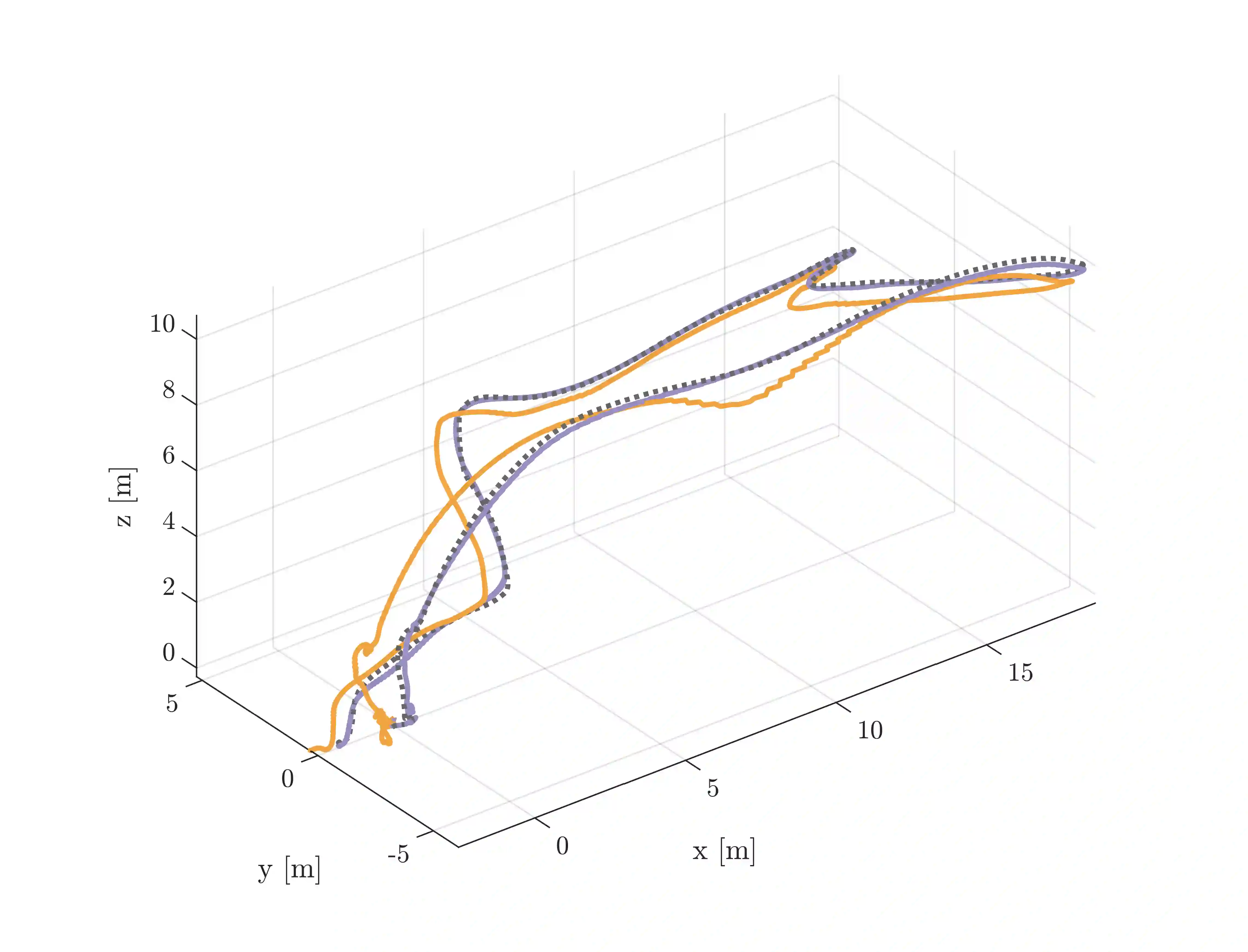
In this work, we explore the recent advances in equivariant filtering for inertial navigation systems to improve state estimation for uncrewed aerial vehicles (UAVs). Traditional state-of-the-art estimation methods, e.g., the multiplicative Kalman filter (MEKF), have some limitations concerning their consistency, errors in the initial state estimate, and convergence performance. Symmetry-based methods, such as the equivariant filter (EqF), offer significant advantages for these points by exploiting the mathematical properties of the system - its symmetry. These filters yield faster convergence rates and robustness to wrong initial state estimates through their error definition. To demonstrate the usability of EqFs, we focus on the sensor-fusion problem with the most common sensors in outdoor robotics: global navigation satellite system (GNSS) sensors and an inertial measurement unit (IMU). We provide an implementation of such an EqF leveraging the semi-direct product of the symmetry group to derive the filter equations. To validate the practical usability of EqFs in real-world scenarios, we evaluate our method using data from all outdoor runs of the INSANE Dataset. Our results demonstrate the performance improvements of the EqF in real-world environments, highlighting its potential for enhancing state estimation for UAVs.
翻译:本文探索了等变滤波在惯性导航系统中的最新进展,以改进无人飞行器的状态估计性能。传统先进估计方法(如乘性扩展卡尔曼滤波器MEKF)在一致性、初始状态估计误差及收敛性能方面存在一定局限。基于对称性的方法(如等变滤波器EqF)通过利用系统的数学对称性特性,在上述方面展现出显著优势。这类滤波器通过其误差定义实现了更快的收敛速率,并对错误的初始状态估计具有鲁棒性。为验证EqF的实用性,我们聚焦于户外机器人领域最常用传感器的融合问题:全球导航卫星系统传感器与惯性测量单元。通过利用对称群的半直积导出滤波器方程,我们实现了此类EqF的具体算法。为评估EqF在真实场景中的实际可用性,我们采用INSANE数据集中所有户外运行数据进行了方法验证。结果表明,EqF在真实环境中的性能提升,凸显了其在增强无人机状态估计方面的潜力。




相关内容




 微信扫码咨询专知VIP会员