

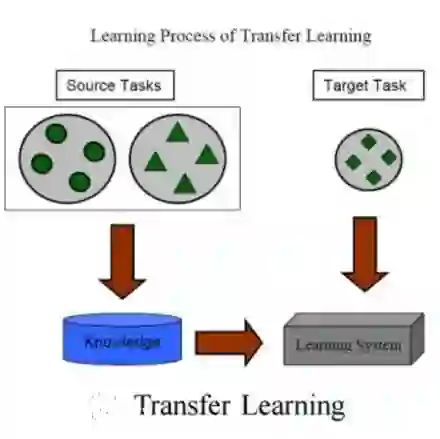
For the 2024 U.S. presidential election, would negative, digital ads against Donald Trump impact voter turnout in Pennsylvania (PA), a key "tipping point'' state? The gold standard to address this question, a randomized experiment where voters get randomized to different ads, yields unbiased estimates of the ad effect, but is very expensive. Instead, we propose a less-than-ideal, but significantly cheaper and faster framework based on transfer learning, where we transfer knowledge from a past ad experiment in 2020 to evaluate ads for 2024. A key component of our framework is a sensitivity analysis that quantifies the unobservable differences between 2020 and 2024 elections, where sensitivity parameters can be calibrated in a data-driven manner. We propose two estimators of the 2024 ad effect: a simple regression estimator with bootstrap, which we recommend for practitioners in this field, and an estimator based on the efficient influence function for broader applications. Using our framework, we estimate the effect of running a negative, digital ad campaign against Trump on voter turnout in PA for the 2024 election. Our findings indicate effect heterogeneity across counties of PA and among important subgroups stratified by gender, urbanicity, and education attainment.
翻译:针对2024年美国总统选举,针对唐纳德·特朗普的负面数字广告是否会影响宾夕法尼亚州(PA)——这一关键“摇摆州”的选民投票率?回答此问题的黄金标准是通过随机实验将选民随机分配至不同广告组,该方法能获得广告效应的无偏估计,但成本极高。为此,我们提出一种虽非理想但显著更经济、更快速的迁移学习框架,通过迁移2020年历史广告实验的知识来评估2024年广告效果。该框架的核心组件是敏感性分析,用于量化2020年与2024年选举间不可观测的差异,其中敏感性参数可通过数据驱动方式进行校准。我们提出两种2024年广告效应估计量:一是采用自助法的简单回归估计量,推荐该领域实践者使用;二是基于高效影响函数的估计量,适用于更广泛的应用场景。运用本框架,我们估算了在2024年选举中针对特朗普的负面数字广告活动对宾夕法尼亚州选民投票率的影响。研究结果表明,广告效应在宾夕法尼亚州各县之间以及按性别、城市化程度和教育程度分层的重要亚组中存在异质性。




相关内容




 微信扫码咨询专知VIP会员