

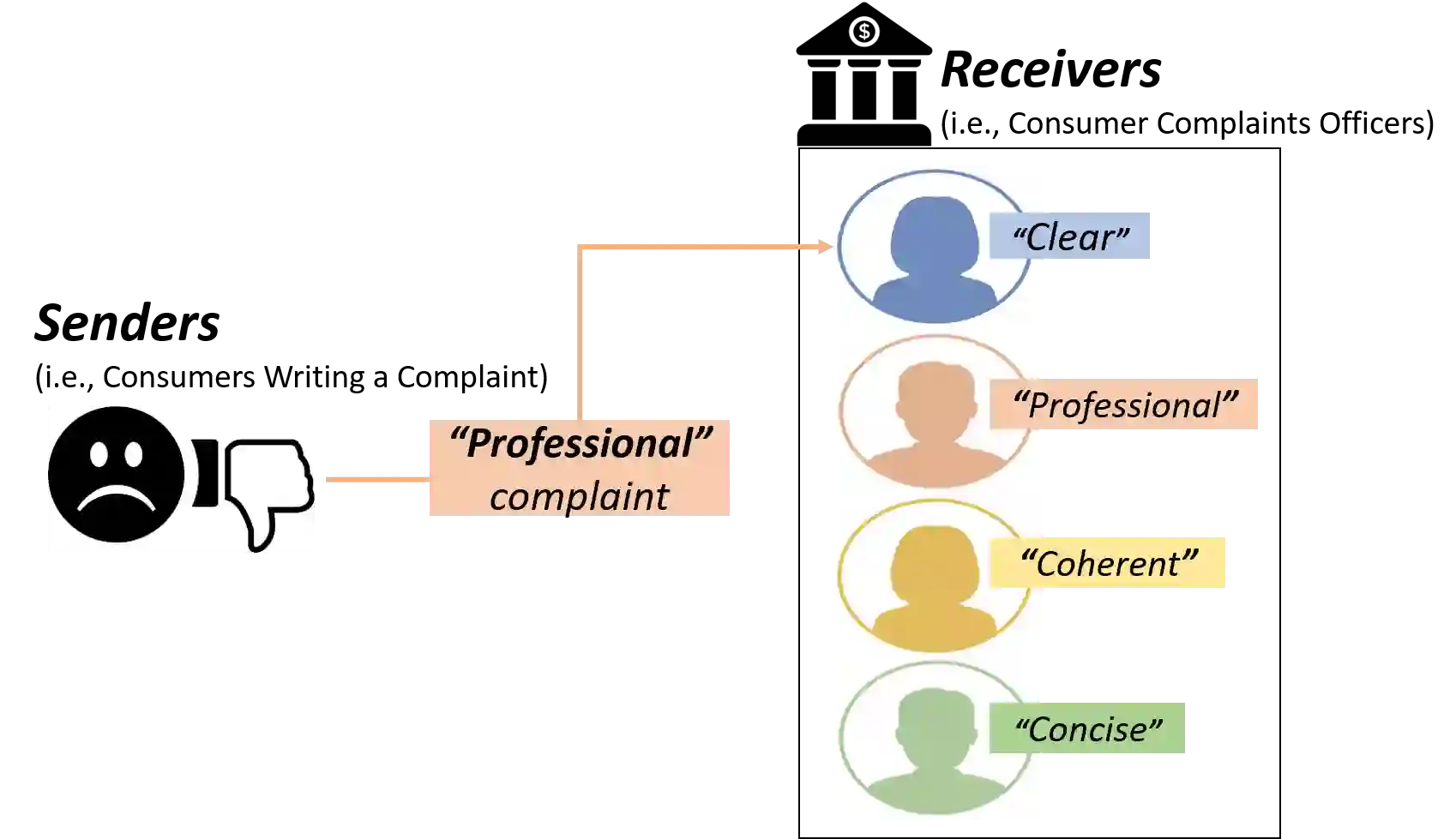
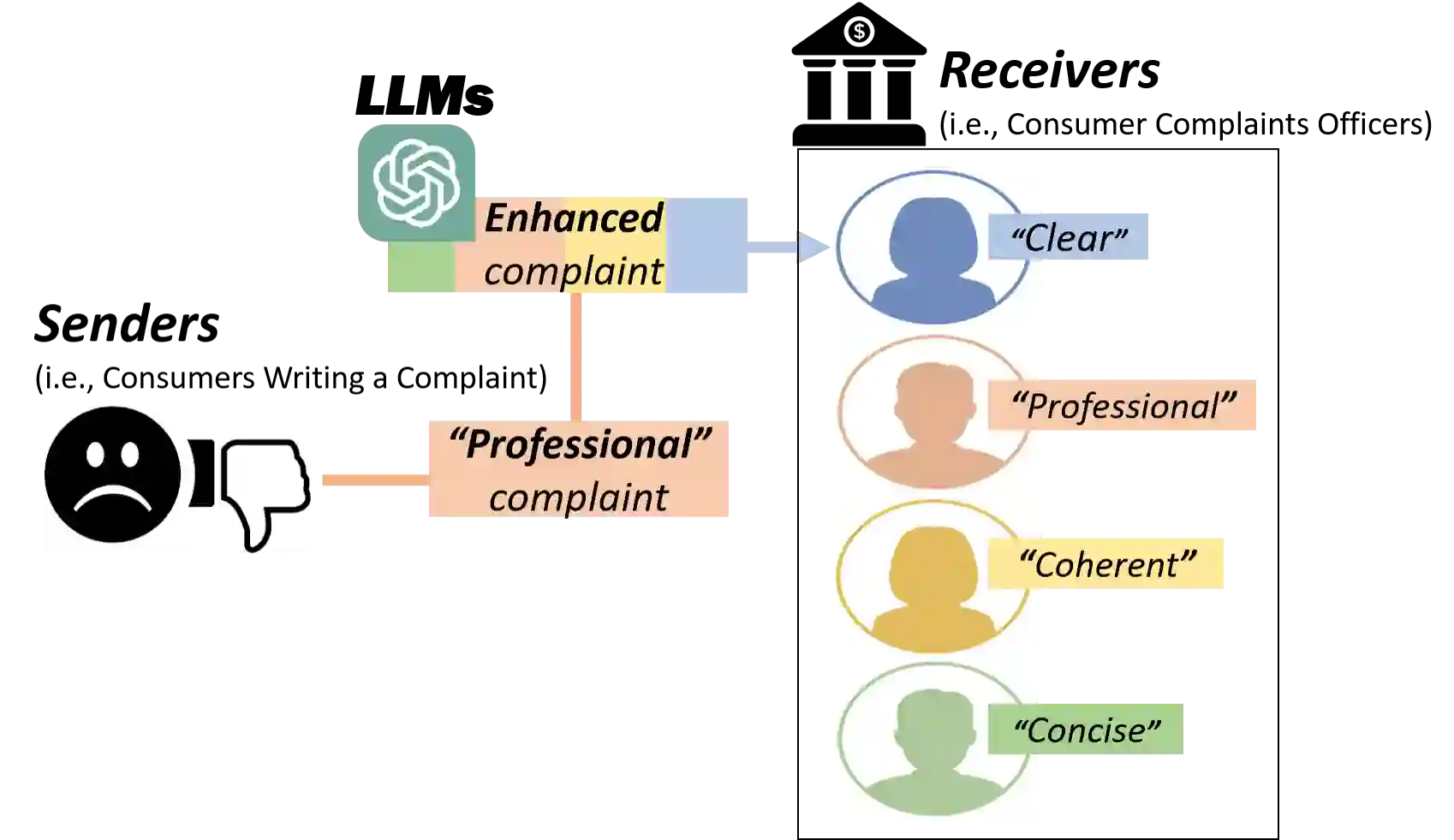
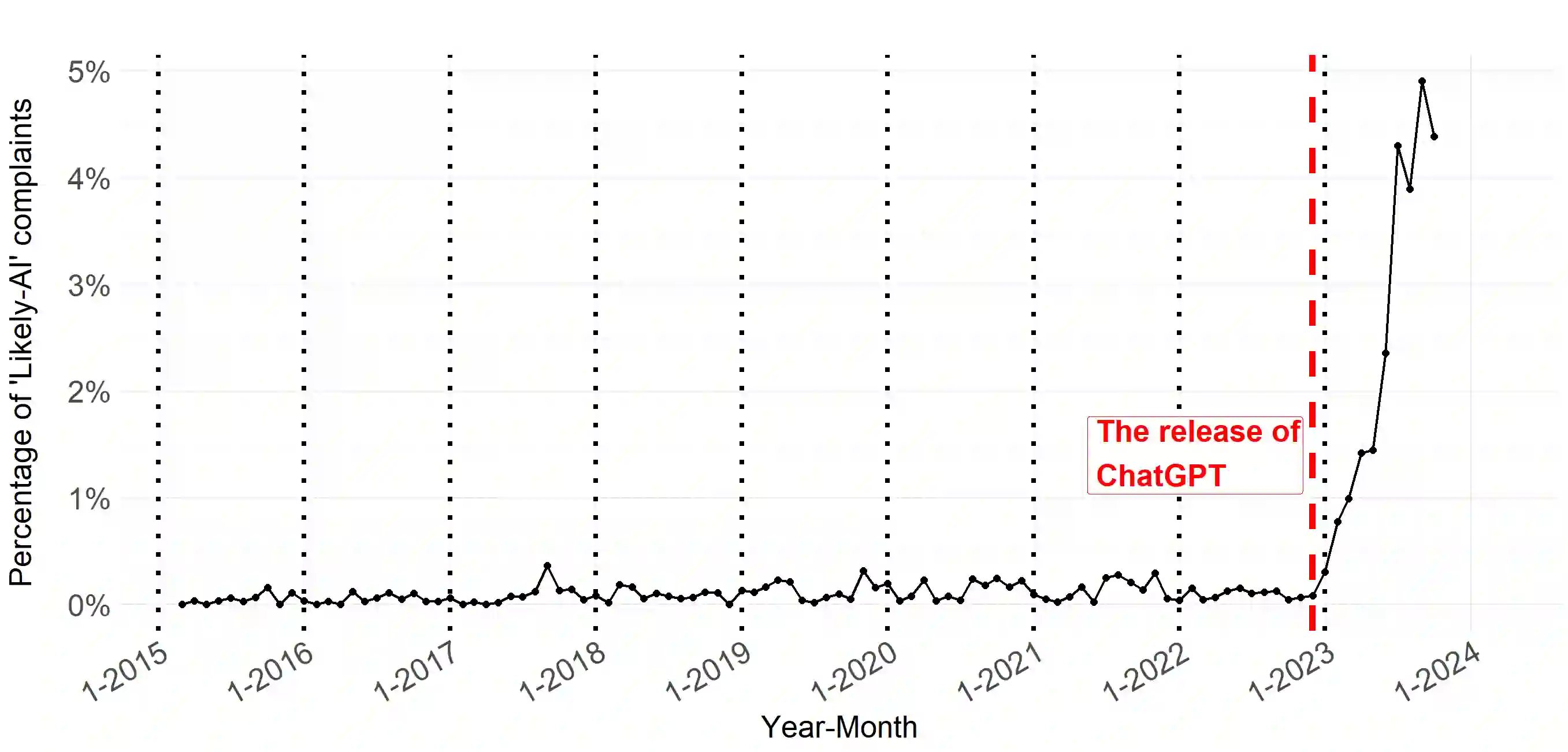
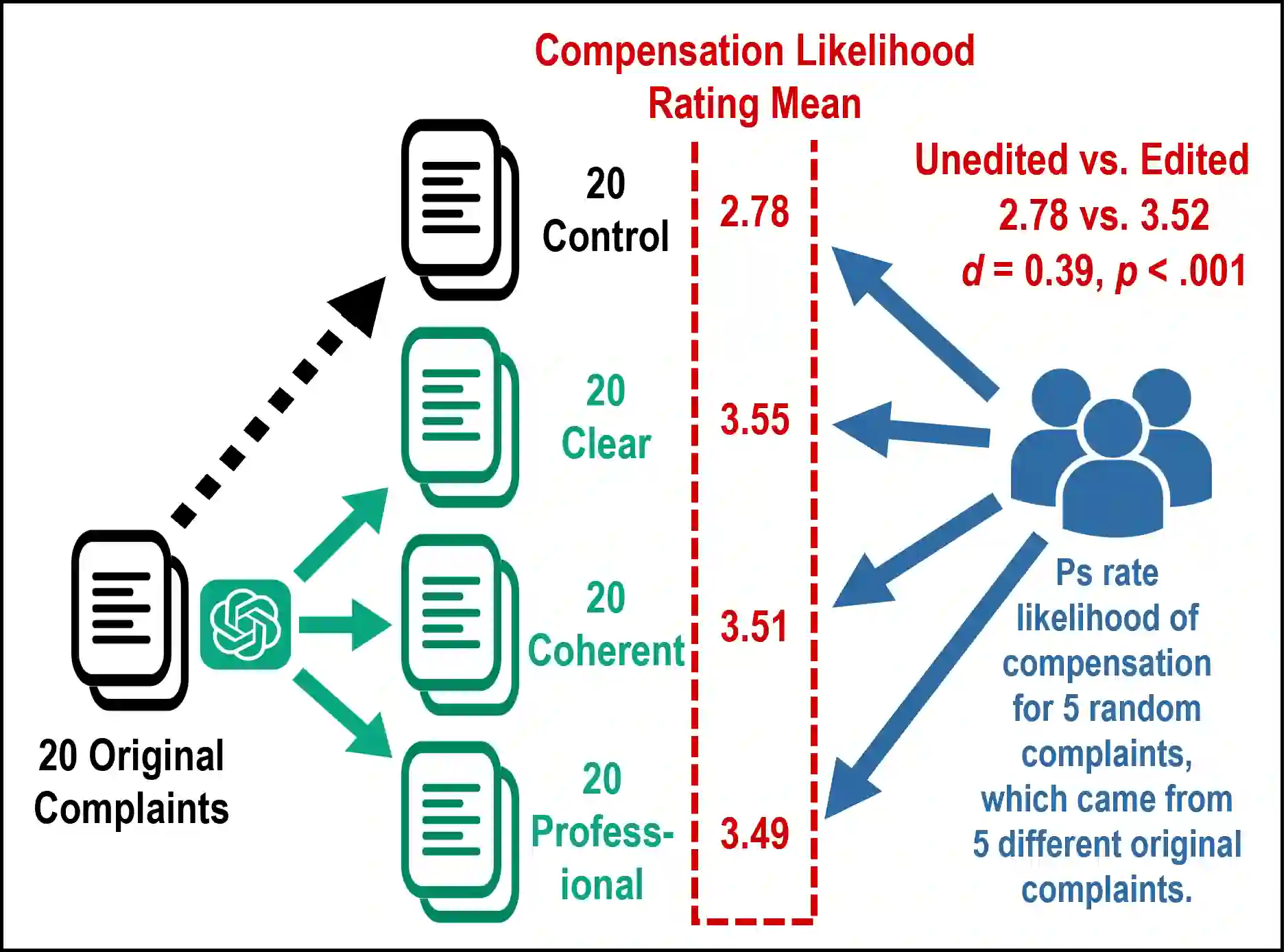
Although large language models (LLMs) are reshaping various aspects of human life, our current understanding of their impacts remains somewhat constrained. Here we investigate the impact of LLMs on human communication, using data on consumer complaints in the financial industry. By employing an AI detection tool on more than 820K complaints gathered by the Consumer Financial Protection Bureau (CFPB), we find a sharp increase in the likely use of LLMs shortly after the release of ChatGPT. Moreover, the likely LLM usage was positively correlated with message persuasiveness (i.e., increased likelihood of obtaining relief from financial firms). Computational linguistic analyses suggest that the positive correlation may be explained by LLMs' enhancement of various linguistic features. Based on the results of these observational studies, we hypothesize that LLM usage may enhance a comprehensive set of linguistic features, increasing message persuasiveness to receivers with heterogeneous linguistic preferences (i.e., linguistic feature alignment). We test this hypothesis in preregistered experiments and find support for it. As an instance of early empirical demonstrations of LLM usage for enhancing persuasion, our research highlights the transformative potential of LLMs in human communication.
翻译:尽管大型语言模型(LLMs)正在重塑人类生活的各个方面,但我们当前对其影响的理解仍相对有限。本研究利用金融行业消费者投诉数据,探讨了LLMs对人类沟通的影响。通过对消费者金融保护局(CFPB)收集的超过82万份投诉应用人工智能检测工具,我们发现ChatGPT发布后不久,LLMs的使用可能急剧增加。此外,LLM的使用与信息说服力呈正相关(即从金融公司获得援助的可能性增加)。计算语言学分析表明,这种正相关可能源于LLMs对多种语言特征的增强。基于这些观察性研究结果,我们假设LLM的使用可能增强一系列全面的语言特征,从而提升信息对具有异质性语言偏好的接收者的说服力(即语言特征对齐)。我们在预先登记的实验中检验了这一假设并获得了支持。作为LLM用于增强说服力的早期实证示范案例,本研究突显了LLM在人类沟通中的变革潜力。




相关内容




 微信扫码咨询专知VIP会员