

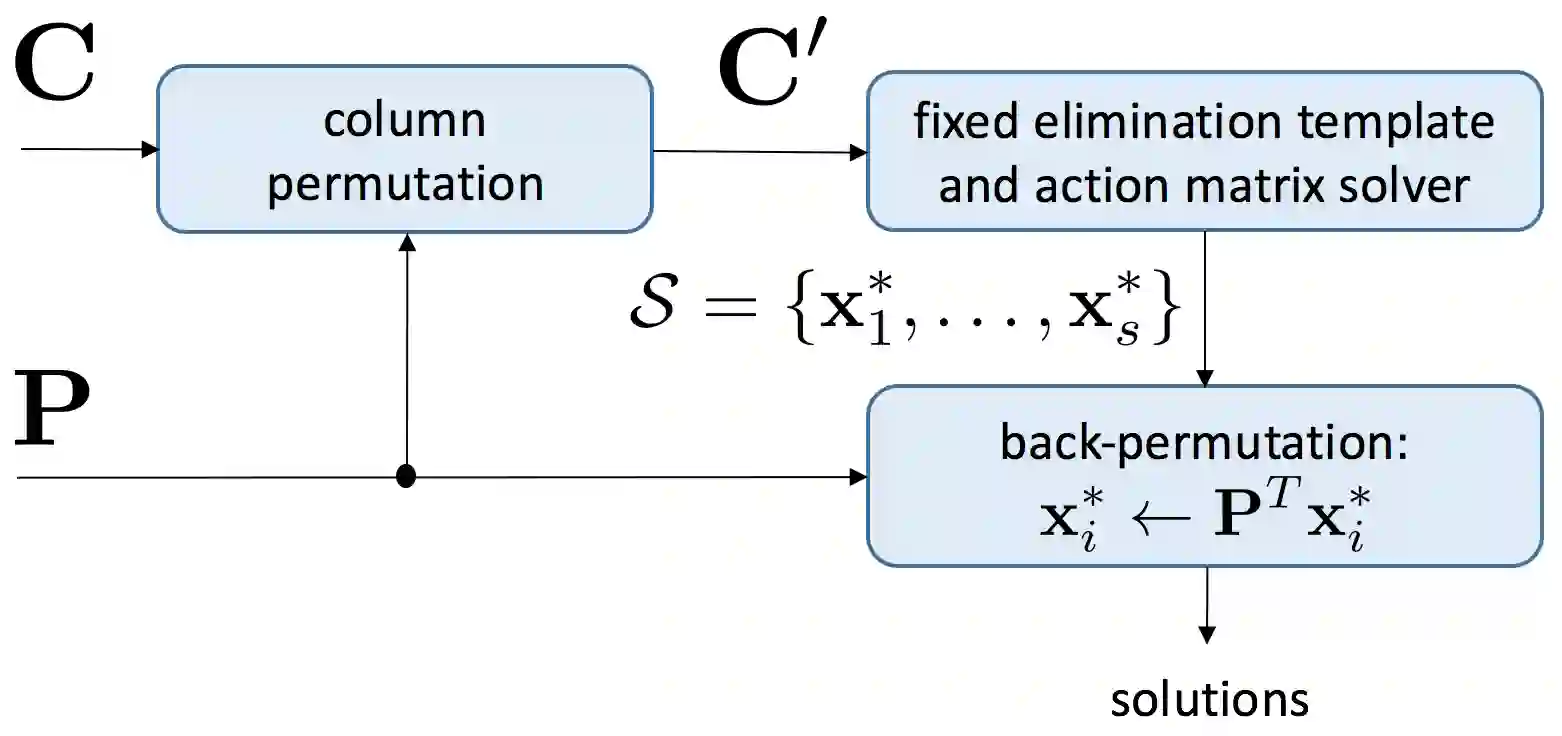
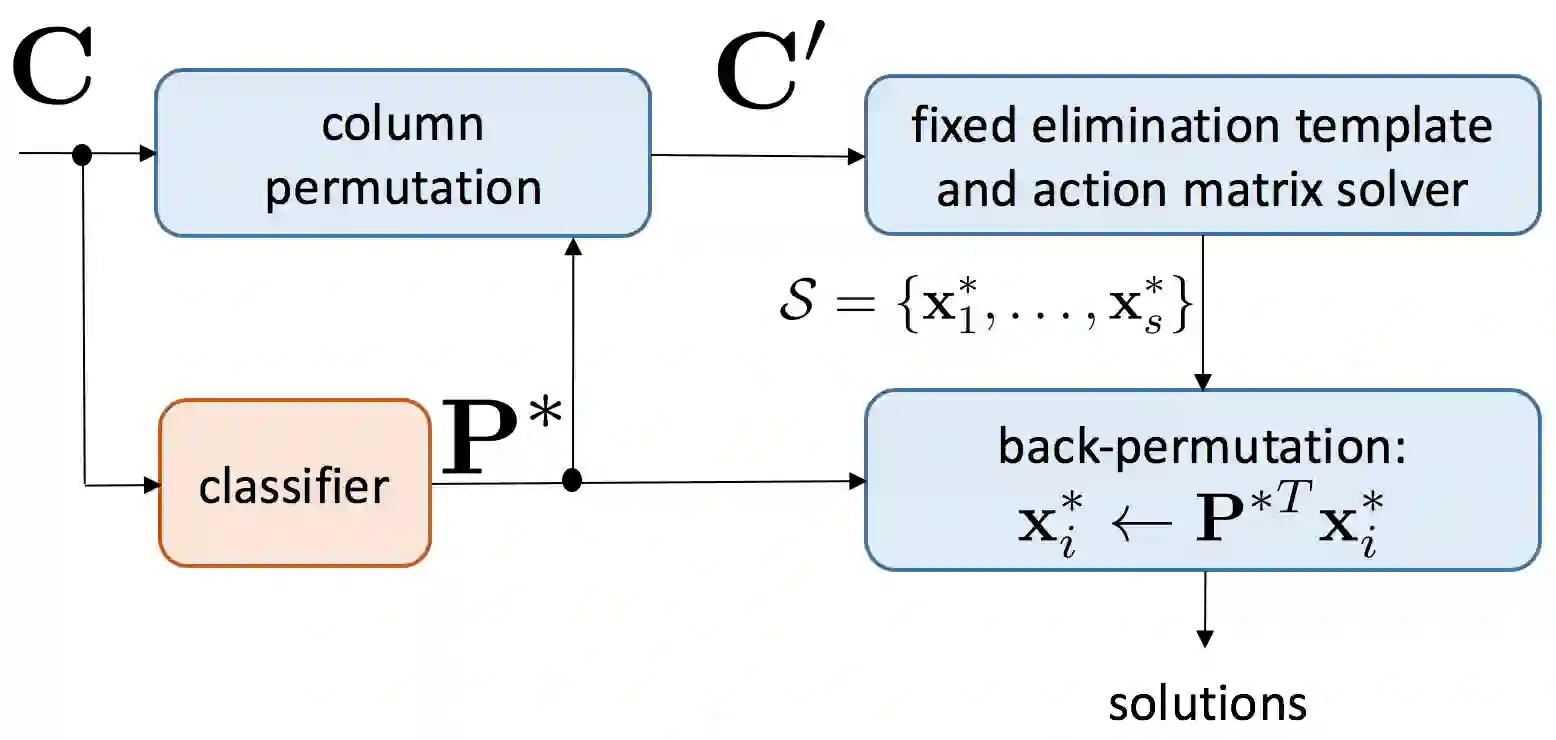
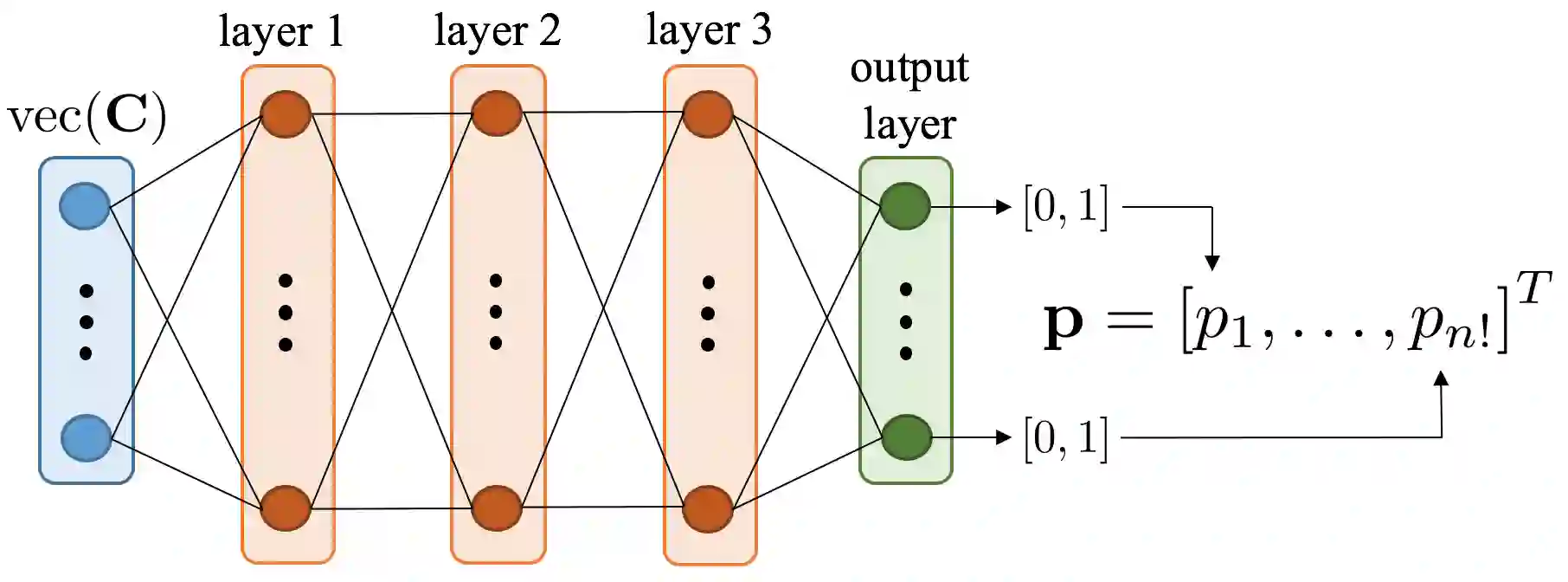
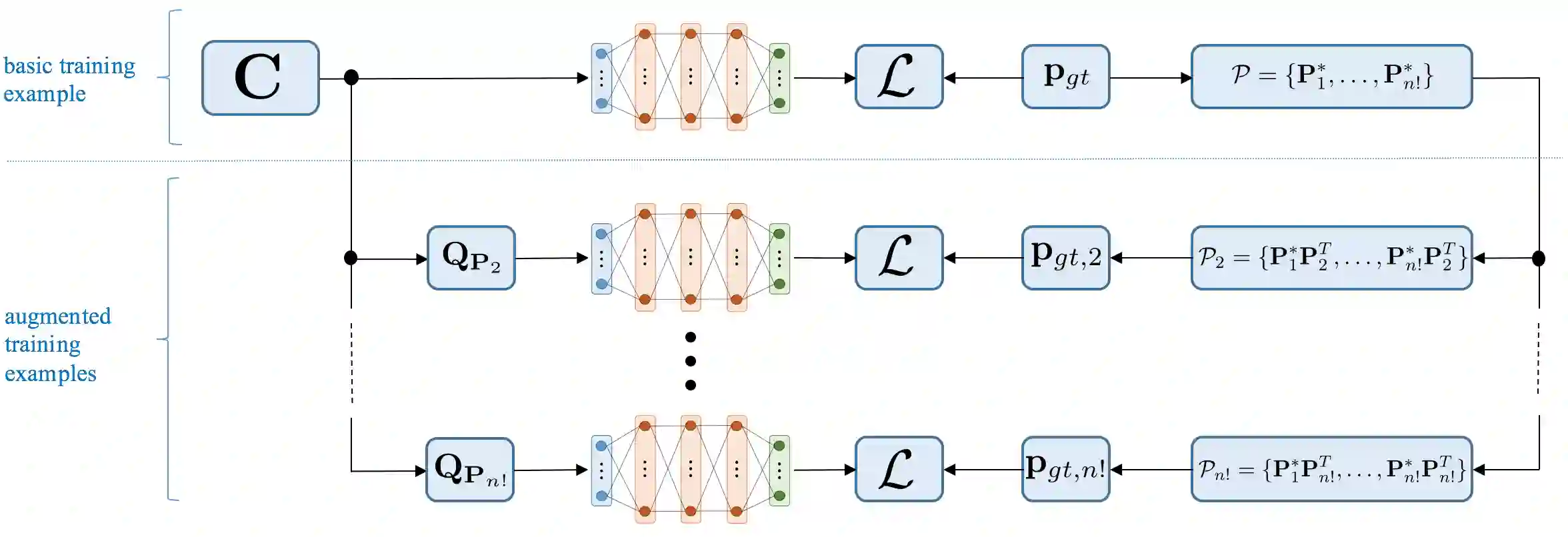
Over the past decade, the Gr\"obner basis theory and automatic solver generation have lead to a large number of solutions to geometric vision problems. In practically all cases, the derived solvers apply a fixed elimination template to calculate the Gr\"obner basis and thereby identify the zero-dimensional variety of the original polynomial constraints. However, it is clear that different variable or monomial orderings lead to different elimination templates, and we show that they may present a large variability in accuracy for a certain instance of a problem. The present paper has two contributions. We first show that for a common class of problems in geometric vision, variable reordering simply translates into a permutation of the columns of the initial coefficient matrix, and that -- as a result -- one and the same elimination template can be reused in different ways, each one leading to potentially different accuracy. We then prove that the original set of coefficients may contain sufficient information to train a classifier for online selection of a good solver, most notably at the cost of only a small computational overhead. We demonstrate wide applicability at the hand of generic dense polynomial problem solvers, as well as a concrete solver from geometric vision.
翻译:在过去十年中,Gröbner基理论和自动求解器生成为几何视觉问题提供了大量解决方案。实际上,所有推导出的求解器都应用固定的消元模板来计算Gröbner基,从而识别原始多项式约束的零维簇。然而,不同的变量或单项式次序会导致不同的消元模板,并且我们表明,对于某一特定问题实例,这些模板在精度上可能存在极大差异。本文有两个贡献。首先,我们证明,对于几何视觉中的常见问题类别,变量重排仅对应初始系数矩阵列向量的置换,因此,同一个消元模板可以以不同方式重复使用,每种方式可能导致不同的精度。接着,我们证明原始系数集可能包含足够的信息,用于训练一个分类器以在线选择优良的求解器,且其计算开销极低。我们通过通用的稠密多项式问题求解器以及一个来自几何视觉的具体求解器,展示了该方法的广泛适用性。




相关内容



 微信扫码咨询专知VIP会员