

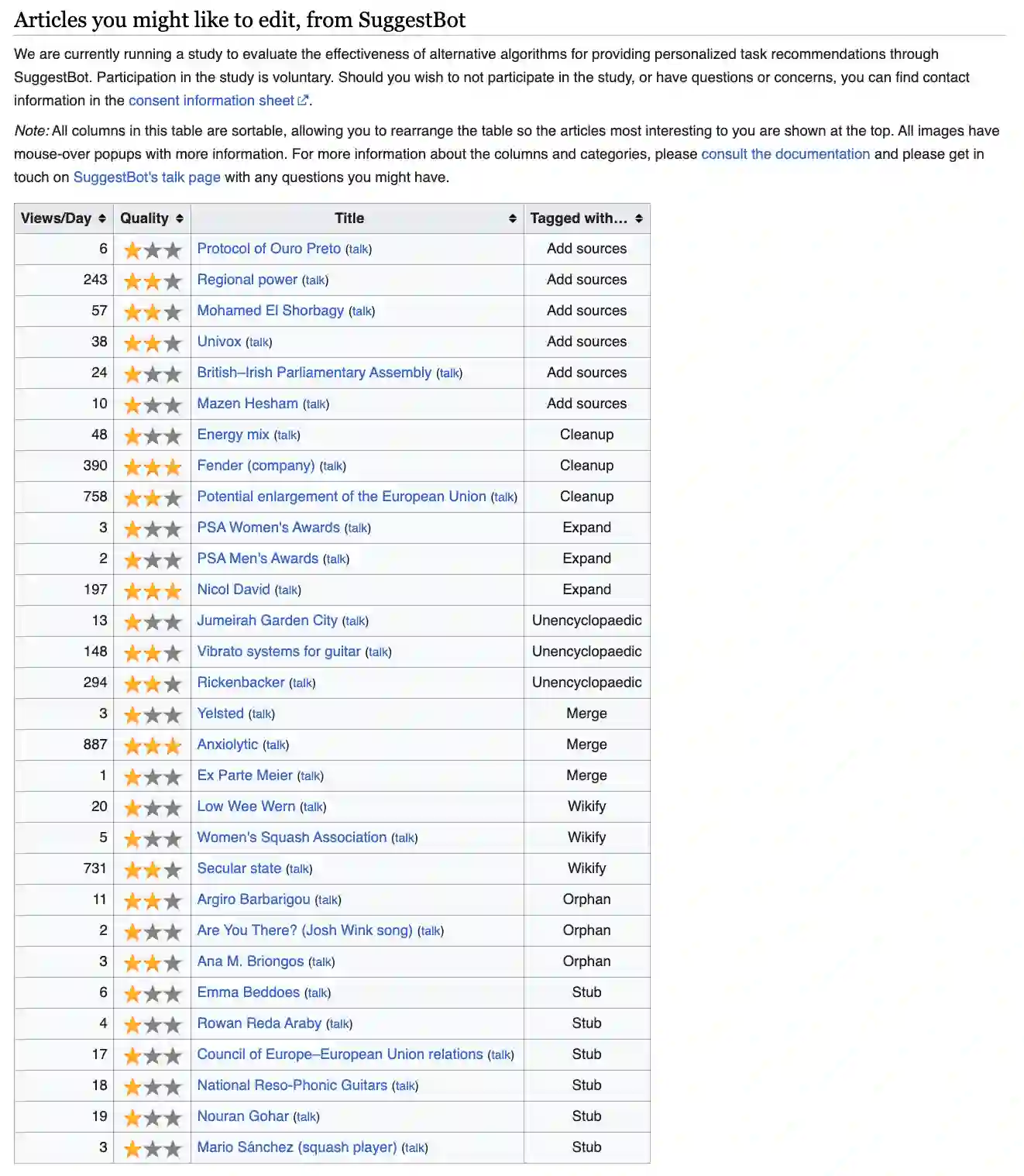
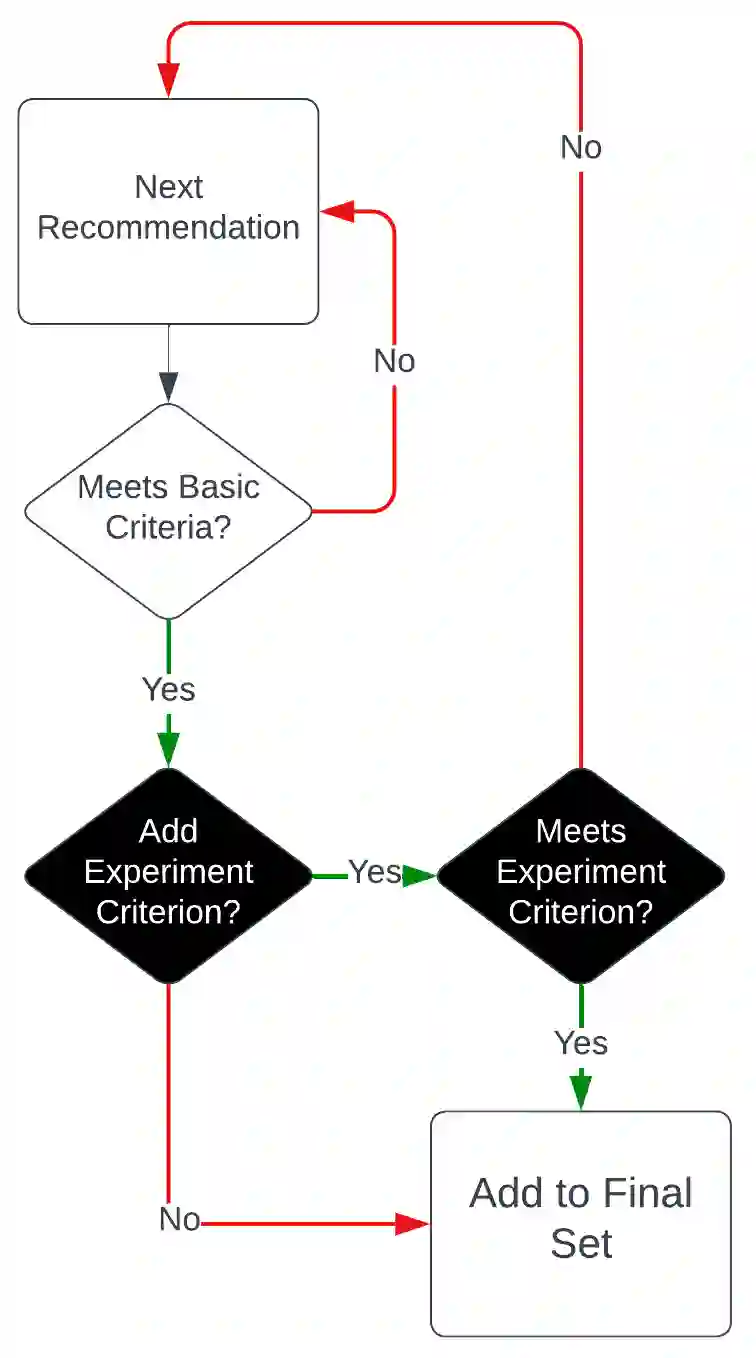
Peer production platforms like Wikipedia commonly suffer from content gaps. Prior research suggests recommender systems can help solve this problem, by guiding editors towards underrepresented topics. However, it remains unclear whether this approach would result in less relevant recommendations, leading to reduced overall engagement with recommended items. To answer this question, we first conducted offline analyses (Study 1) on SuggestBot, a task-routing recommender system for Wikipedia, then did a three-month controlled experiment (Study 2). Our results show that presenting users with articles from underrepresented topics increased the proportion of work done on those articles without significantly reducing overall recommendation uptake. We discuss the implications of our results, including how ignoring the article discovery process can artificially narrow recommendations. We draw parallels between this phenomenon and the common issue of "filter bubbles" to show how any platform that employs recommender systems is susceptible to it.
翻译:对等生产平台(如维基百科)普遍存在内容差距问题。先前研究表明,推荐系统通过引导编辑者关注代表性不足的主题,有助于解决这一问题。然而,尚不清楚这种方法是否会降低推荐相关性,从而导致用户对推荐内容的整体参与度下降。为解答该问题,我们首先在针对维基百科的任务路由推荐系统SuggestBot上进行了离线分析(研究一),随后开展了一项为期三个月的对照实验(研究二)。结果显示,向用户呈现来自代表性不足主题的文章,在未显著降低整体推荐采纳率的情况下,增加了这些文章的编辑工作量。我们讨论了研究结果的意义,包括忽略文章发现过程如何人为地窄化推荐范围。我们将这一现象与常见的"信息过滤泡"问题相类比,以说明任何采用推荐系统的平台都容易受到该问题的影响。




相关内容



 微信扫码咨询专知VIP会员