

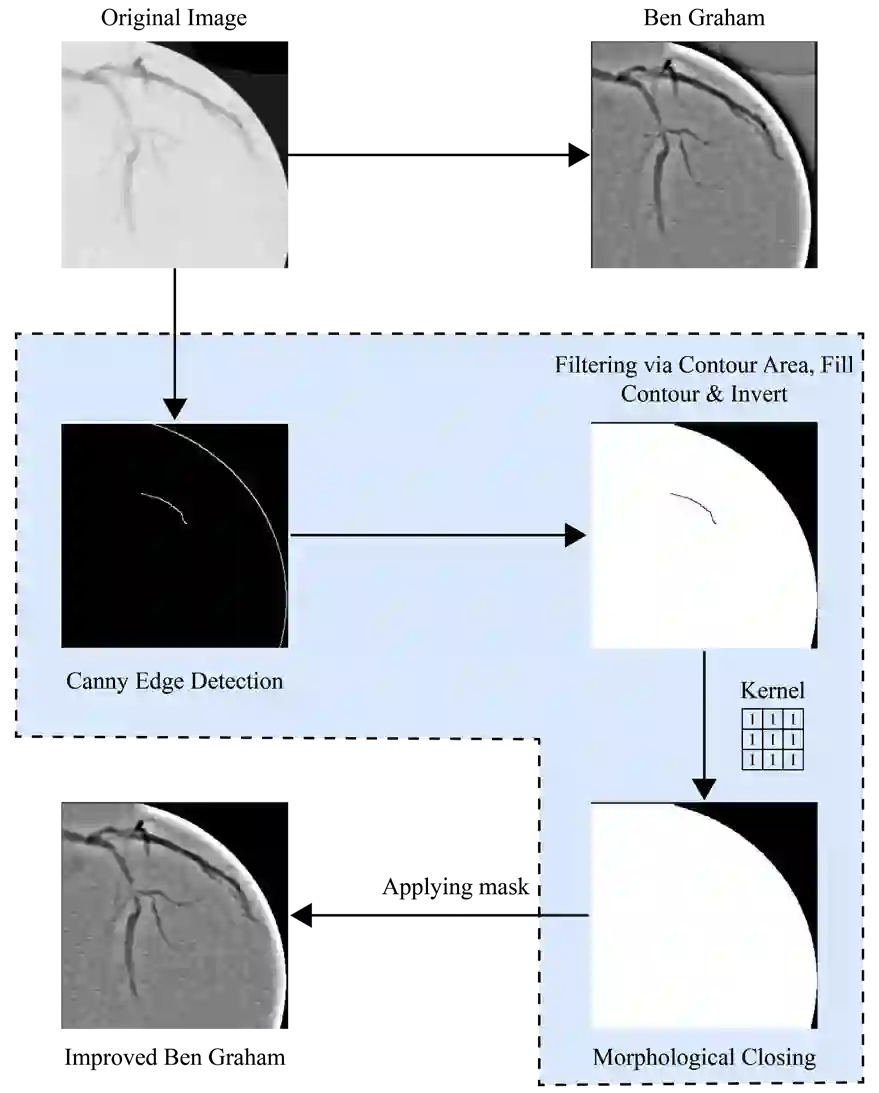
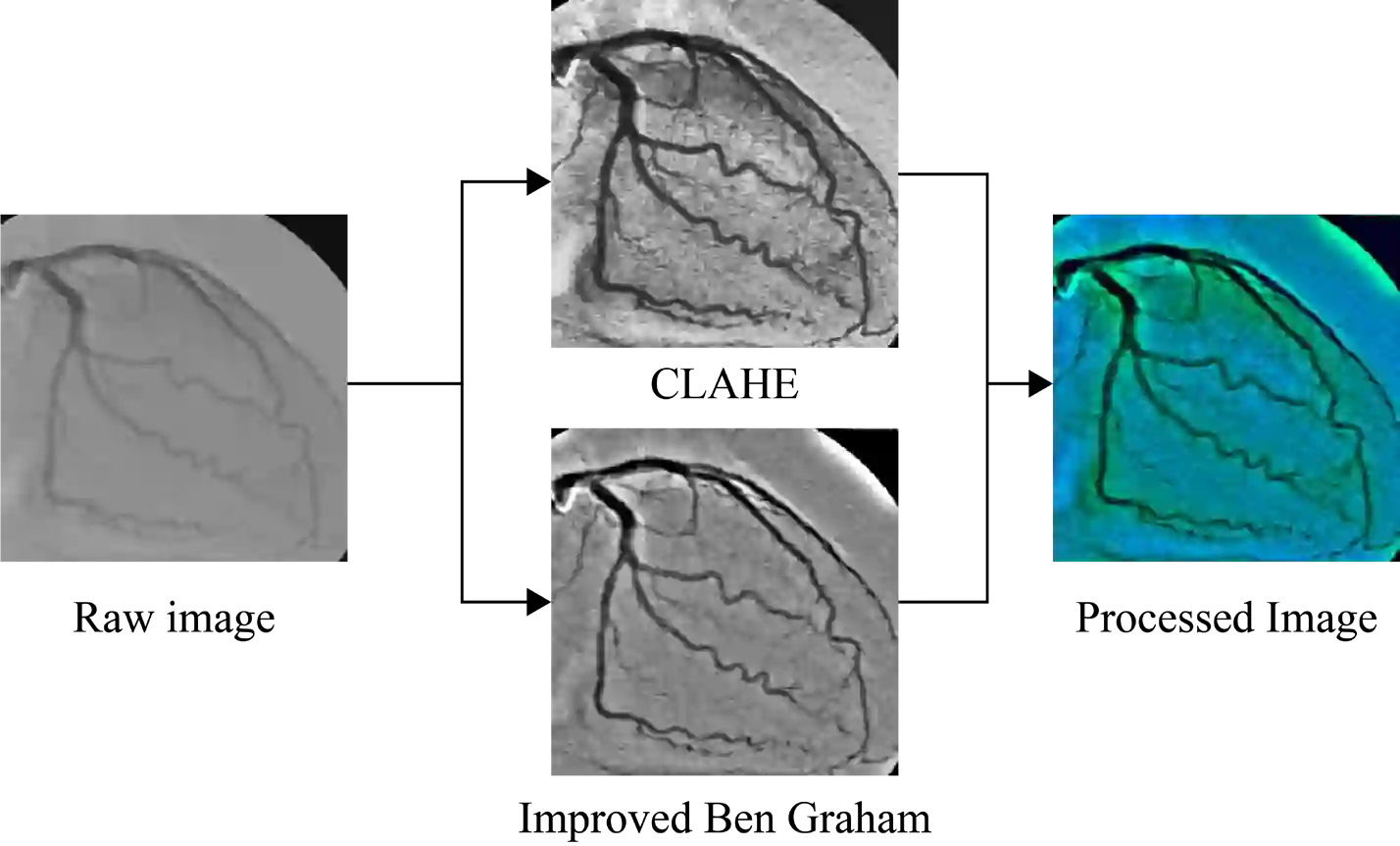
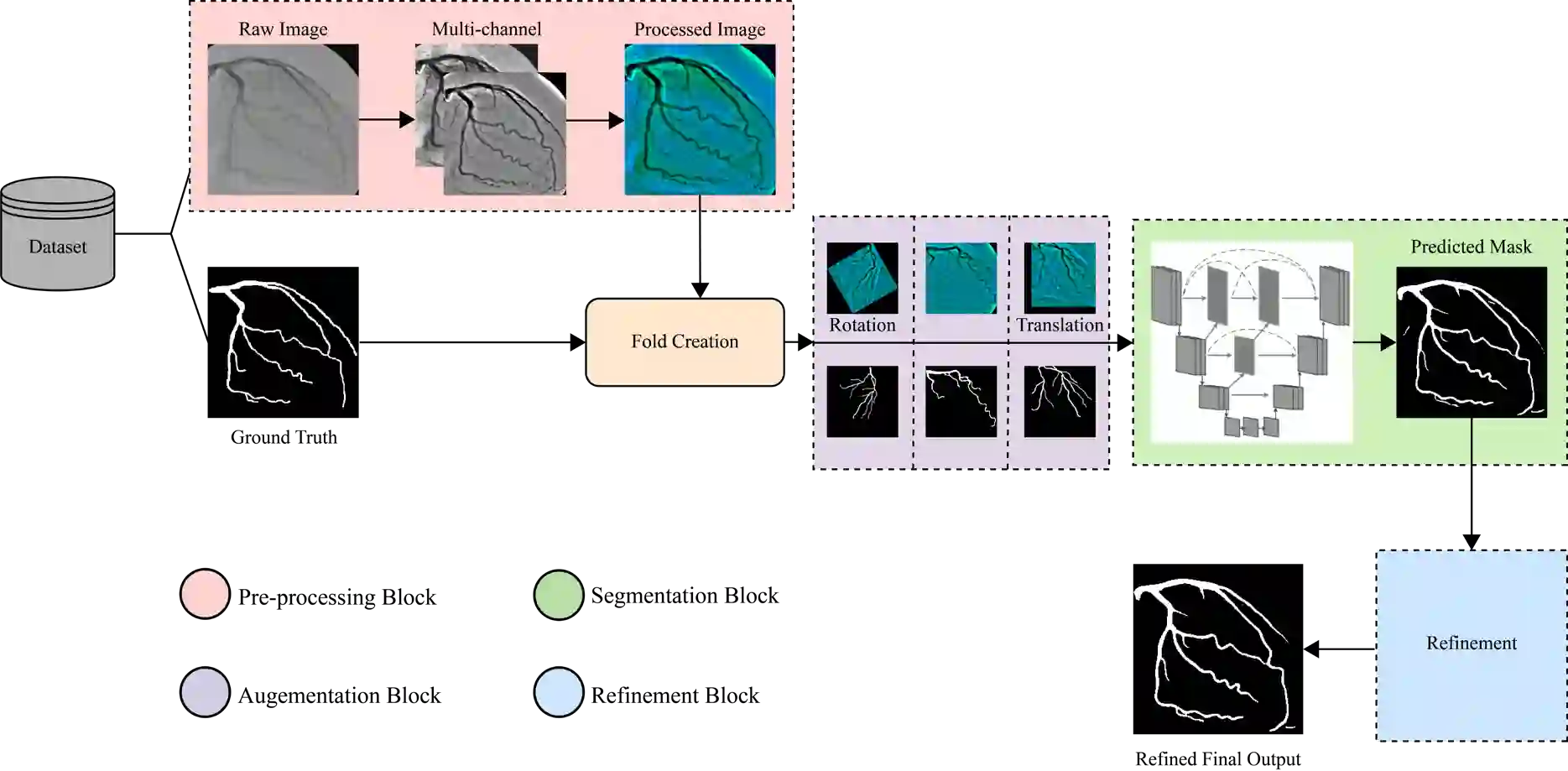
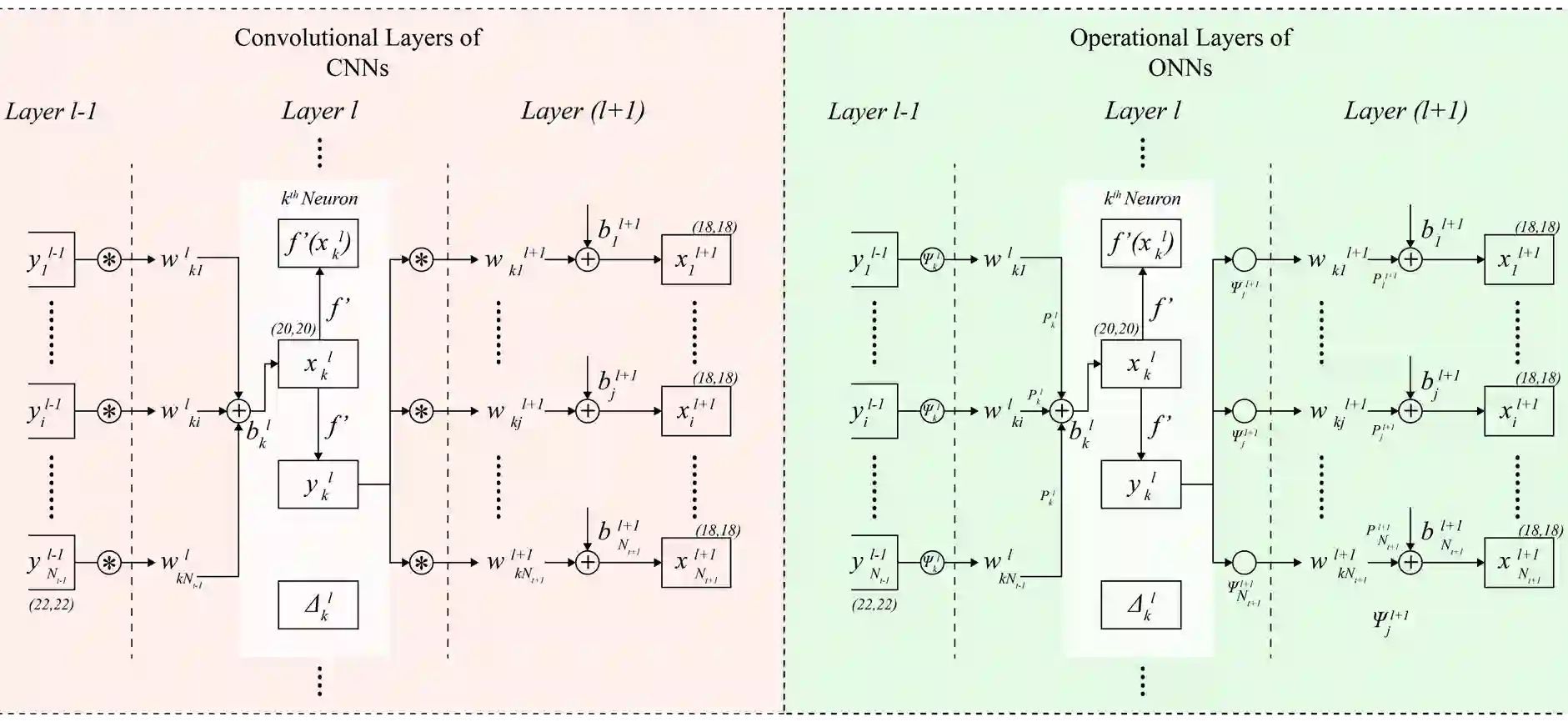
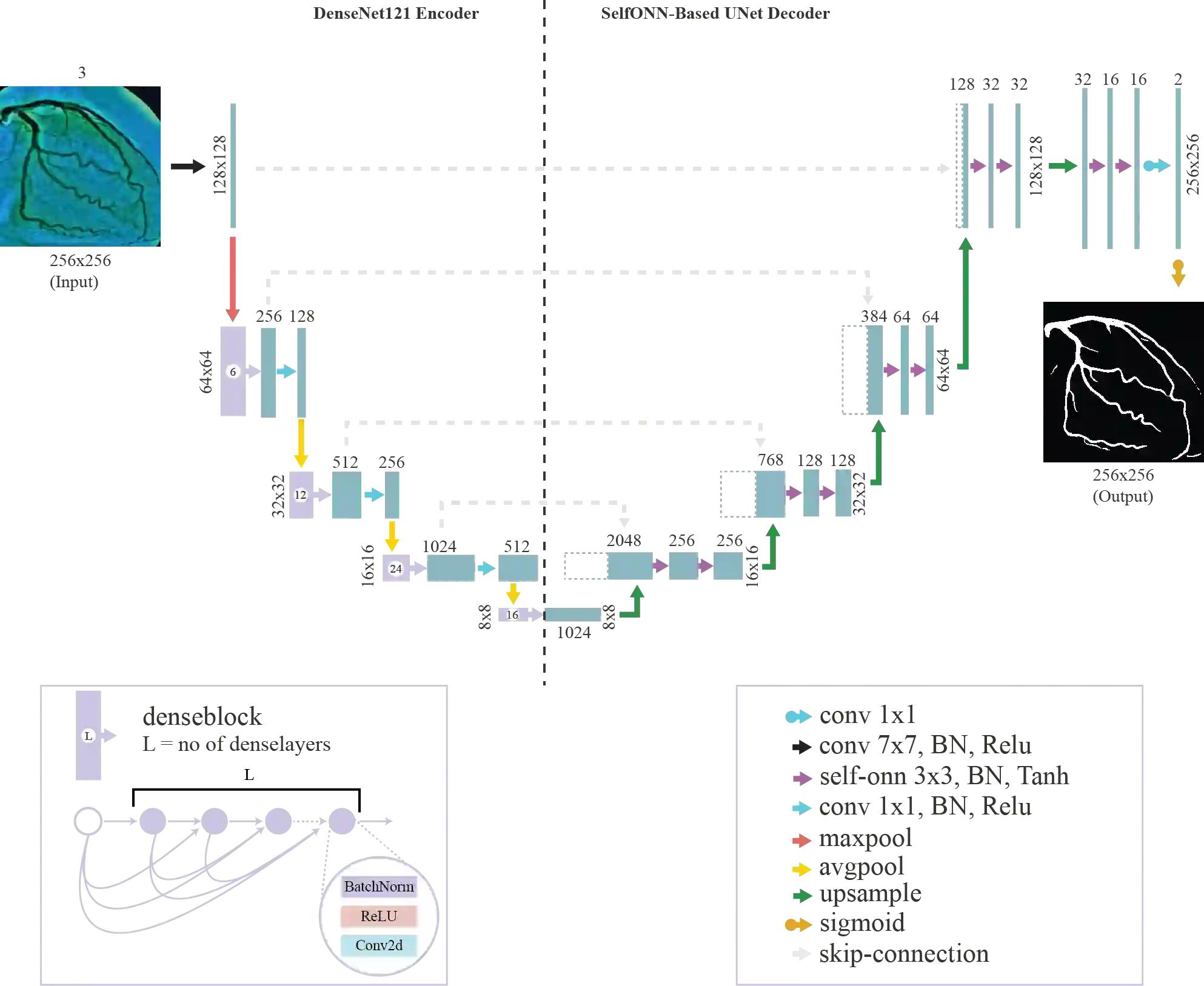
Early detection of coronary artery disease (CAD) is critical for reducing mortality and improving patient treatment planning. While angiographic image analysis from X-rays is a common and cost-effective method for identifying cardiac abnormalities, including stenotic coronary arteries, poor image quality can significantly impede clinical diagnosis. We present the Coronary Artery Segmentation and Refinement Network (CASR-Net), a three-stage pipeline comprising image preprocessing, segmentation, and refinement. A novel multichannel preprocessing strategy combining CLAHE and an improved Ben Graham method provides incremental gains, increasing Dice Score Coefficient (DSC) by 0.31-0.89% and Intersection over Union (IoU) by 0.40-1.16% compared with using the techniques individually. The core innovation is a segmentation network built on a UNet with a DenseNet121 encoder and a Self-organized Operational Neural Network (Self-ONN) based decoder, which preserves the continuity of narrow and stenotic vessel branches. A final contour refinement module further suppresses false positives. Evaluated with 5-fold cross-validation on a combination of two public datasets that contain both healthy and stenotic arteries, CASR-Net outperformed several state-of-the-art models, achieving an IoU of 61.43%, a DSC of 76.10%, and clDice of 79.36%. These results highlight a robust approach to automated coronary artery segmentation, offering a valuable tool to support clinicians in diagnosis and treatment planning.
翻译:冠状动脉疾病(CAD)的早期检测对于降低死亡率和改善患者治疗规划至关重要。虽然基于X射线的血管造影图像分析是识别包括狭窄冠状动脉在内的心脏异常的常用且经济有效的方法,但图像质量不佳会严重阻碍临床诊断。我们提出了冠状动脉分割与精细化网络(CASR-Net),这是一个包含图像预处理、分割和精细化三个阶段的流程。一种新颖的多通道预处理策略结合了CLAHE和改进的Ben Graham方法,与单独使用这些技术相比,提供了渐进性增益,将Dice相似系数(DSC)提高了0.31-0.89%,将交并比(IoU)提高了0.40-1.16%。核心创新是一个基于UNet架构、采用DenseNet121编码器和基于自组织操作神经网络(Self-ONN)解码器的分割网络,该网络保留了狭窄和狭窄血管分支的连续性。最终的轮廓精细化模块进一步抑制了假阳性。通过在包含健康和狭窄动脉的两个公共数据集组合上进行5折交叉验证评估,CASR-Net的性能优于多个最先进模型,实现了61.43%的IoU、76.10%的DSC和79.36%的clDice。这些结果突显了一种稳健的自动化冠状动脉分割方法,为支持临床医生的诊断和治疗规划提供了一个有价值的工具。




相关内容





 微信扫码咨询专知VIP会员