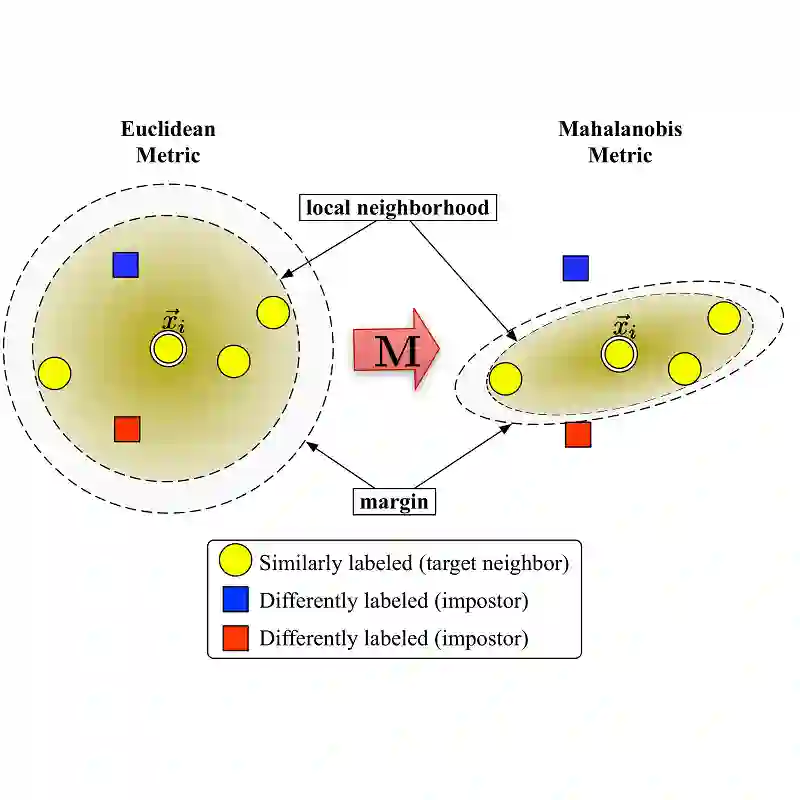
Direct physical interaction with robots is becoming increasingly important in flexible production scenarios, but robots without protective fences also pose a greater risk to the operator. In order to keep the risk potential low, relatively simple measures are prescribed for operation, such as stopping the robot if there is physical contact or if a safety distance is violated. Although human injuries can be largely avoided in this way, all such solutions have in common that real cooperation between humans and robots is hardly possible and therefore the advantages of working with such systems cannot develop its full potential. In human-robot collaboration scenarios, more sophisticated solutions are required that make it possible to adapt the robot's behavior to the operator and/or the current situation. Most importantly, during free robot movement, physical contact must be allowed for meaningful interaction and not recognized as a collision. However, here lies a key challenge for future systems: detecting human contact by using robot proprioception and machine learning algorithms. This work uses the Deep Metric Learning (DML) approach to distinguish between non-contact robot movement, intentional contact aimed at physical human-robot interaction, and collision situations. The achieved results are promising and show show that DML achieves 98.6\% accuracy, which is 4\% higher than the existing standards (i.e. a deep learning network trained without DML). It also indicates a promising generalization capability for easy portability to other robots (target robots) by detecting contact (distinguishing between contactless and intentional or accidental contact) without having to retrain the model with target robot data.


翻译:在柔性生产场景中,与机器人的直接物理交互日益重要,但无防护围栏的机器人也给操作员带来更大风险。为降低潜在风险,当前采用相对简单的操作规范,例如在发生物理接触或违反安全距离时使机器人停止运行。虽然这种方式能大幅避免人体伤害,但所有此类解决方案的共同缺陷在于:真正的人机协作几乎无法实现,因此人机协作系统的优势难以充分发挥。在人机协作场景中,需要更精密的解决方案,使机器人能够根据操作员和/或当前情境调整行为。关键在于,在机器人自由运动过程中,必须允许有意义的物理接触——这类接触不应被识别为碰撞。这正是未来系统面临的核心挑战:利用机器人本体感知能力与机器学习算法检测人体接触。本研究采用深度度量学习(DML)方法,区分非接触式机器人运动、面向物理人机交互的有意接触与碰撞场景。实验结果表明,DML方法实现了98.6%的准确率,较现有标准(即未经DML训练的深度学习网络)提升4%。同时,该方法展现出优异的泛化能力:无需使用目标机器人数据进行重训练,即可通过接触检测(区分非接触、有意接触与意外接触)便捷迁移至其他机器人(目标机器人)。


0
下载
关闭预览

相关内容

机器人(英语:Robot)包括一切模拟人类行为或思想与模拟其他生物的机械(如机器狗,机器猫等)。狭义上对机器人的定义还有很多分类法及争议,有些电脑程序甚至也被称为机器人。在当代工业中,机器人指能自动运行任务的人造机器设备,用以取代或协助人类工作,一般会是机电设备,由计算机程序或是电子电路控制。

知识荟萃

精品入门和进阶教程、论文和代码整理等

更多

查看相关VIP内容、论文、资讯等
100+篇《自监督学习(Self-Supervised Learning)》论文最新合集
专知会员服务
167+阅读 · 2020年3月18日
强化学习最新教程,17页pdf
专知会员服务
182+阅读 · 2019年10月11日
[综述]深度学习下的场景文本检测与识别
专知会员服务
78+阅读 · 2019年10月10日
机器学习入门的经验与建议
专知会员服务
94+阅读 · 2019年10月10日
【哈佛大学商学院课程Fall 2019】机器学习可解释性
专知会员服务
105+阅读 · 2019年10月9日
【SIGGRAPH2019】TensorFlow 2.0深度学习计算机图形学应用
专知会员服务
41+阅读 · 2019年10月9日
VCIP 2022 Call for Demos
CCF多媒体专委会
1+阅读 · 2022年6月6日
Hierarchically Structured Meta-learning
CreateAMind
27+阅读 · 2019年5月22日
Transferring Knowledge across Learning Processes
CreateAMind
29+阅读 · 2019年5月18日
深度自进化聚类:Deep Self-Evolution Clustering
我爱读PAMI
15+阅读 · 2019年4月13日
逆强化学习-学习人先验的动机
CreateAMind
16+阅读 · 2019年1月18日
强化学习的Unsupervised Meta-Learning
CreateAMind
18+阅读 · 2019年1月7日
Unsupervised Learning via Meta-Learning
CreateAMind
44+阅读 · 2019年1月3日
A Technical Overview of AI & ML in 2018 & Trends for 2019
待字闺中
18+阅读 · 2018年12月24日
【推荐】深度学习目标检测概览
机器学习研究会
10+阅读 · 2017年9月1日
【推荐】SLAM相关资源大列表
机器学习研究会
10+阅读 · 2017年8月18日
国家自然科学基金
0+阅读 · 2013年12月31日
国家自然科学基金
3+阅读 · 2013年12月31日
国家自然科学基金
0+阅读 · 2013年12月31日
国家自然科学基金
1+阅读 · 2012年12月31日
国家自然科学基金
0+阅读 · 2012年12月31日
国家自然科学基金
0+阅读 · 2012年12月31日
国家自然科学基金
0+阅读 · 2009年12月31日
国家自然科学基金
0+阅读 · 2009年12月31日
Arxiv
11+阅读 · 2021年12月8日
Arxiv
11+阅读 · 2018年7月31日
VIP会员
最新内容
ICML 2026 | 自回归Boltzmann生成器重塑分子采样
专知会员服务
0+阅读 · 今天15:55
GNN跨域综述:从消息传递到图基础模型
专知会员服务
0+阅读 · 今天15:53
无人机自主控制与人工智能:系统性综述
专知会员服务
11+阅读 · 今天7:25
巡飞弹与反无人机系统——现代战场的两大支柱
专知会员服务
3+阅读 · 今天6:54
《打造“黄金舰队”》57页报告
专知会员服务
3+阅读 · 今天6:52
《北约数字教官网络发展路径》128页报告
专知会员服务
2+阅读 · 今天6:33
ECCV 2026 | MIMFlow:MIM与归一化流统一图像生成
专知会员服务
7+阅读 · 6月25日
网状网络及其在军事领域的运用
专知会员服务
8+阅读 · 6月25日
无美国参与的欧洲战争方式(万字长文)
专知会员服务
8+阅读 · 6月25日
《国防领域敏感性分析白皮书》
专知会员服务
9+阅读 · 6月25日
相关VIP内容
100+篇《自监督学习(Self-Supervised Learning)》论文最新合集
专知会员服务
167+阅读 · 2020年3月18日
强化学习最新教程,17页pdf
专知会员服务
182+阅读 · 2019年10月11日
[综述]深度学习下的场景文本检测与识别
专知会员服务
78+阅读 · 2019年10月10日
机器学习入门的经验与建议
专知会员服务
94+阅读 · 2019年10月10日
【哈佛大学商学院课程Fall 2019】机器学习可解释性
专知会员服务
105+阅读 · 2019年10月9日
【SIGGRAPH2019】TensorFlow 2.0深度学习计算机图形学应用
专知会员服务
41+阅读 · 2019年10月9日
相关资讯
VCIP 2022 Call for Demos
CCF多媒体专委会
1+阅读 · 2022年6月6日
Hierarchically Structured Meta-learning
CreateAMind
27+阅读 · 2019年5月22日
Transferring Knowledge across Learning Processes
CreateAMind
29+阅读 · 2019年5月18日
深度自进化聚类:Deep Self-Evolution Clustering
我爱读PAMI
15+阅读 · 2019年4月13日
逆强化学习-学习人先验的动机
CreateAMind
16+阅读 · 2019年1月18日
强化学习的Unsupervised Meta-Learning
CreateAMind
18+阅读 · 2019年1月7日
Unsupervised Learning via Meta-Learning
CreateAMind
44+阅读 · 2019年1月3日
A Technical Overview of AI & ML in 2018 & Trends for 2019
待字闺中
18+阅读 · 2018年12月24日
【推荐】深度学习目标检测概览
机器学习研究会
10+阅读 · 2017年9月1日
【推荐】SLAM相关资源大列表
机器学习研究会
10+阅读 · 2017年8月18日
相关基金
国家自然科学基金
0+阅读 · 2013年12月31日
国家自然科学基金
3+阅读 · 2013年12月31日
国家自然科学基金
0+阅读 · 2013年12月31日
国家自然科学基金
1+阅读 · 2012年12月31日
国家自然科学基金
0+阅读 · 2012年12月31日
国家自然科学基金
0+阅读 · 2012年12月31日
国家自然科学基金
0+阅读 · 2009年12月31日
国家自然科学基金
0+阅读 · 2009年12月31日
Top
微信扫码咨询专知VIP会员