

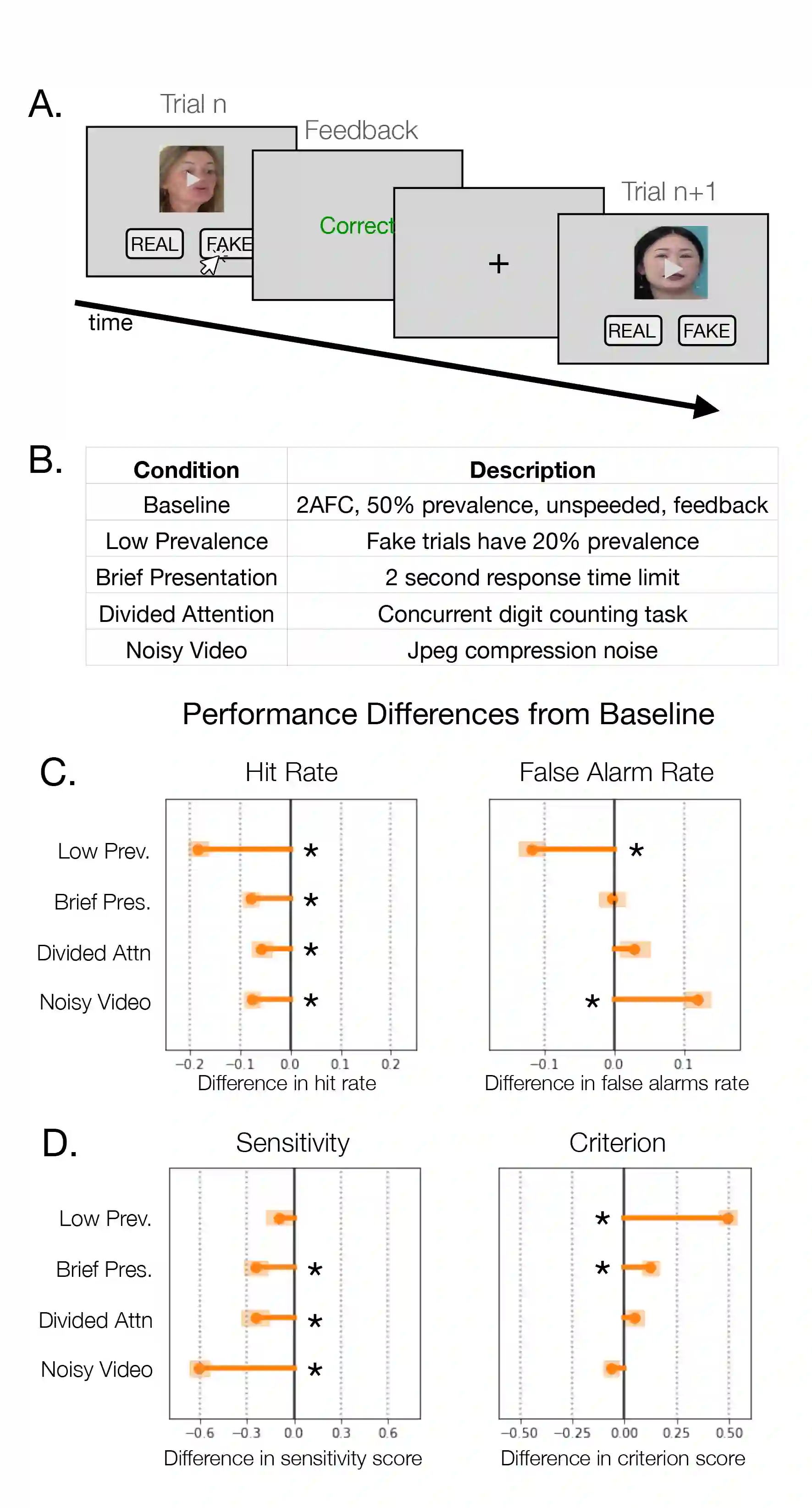
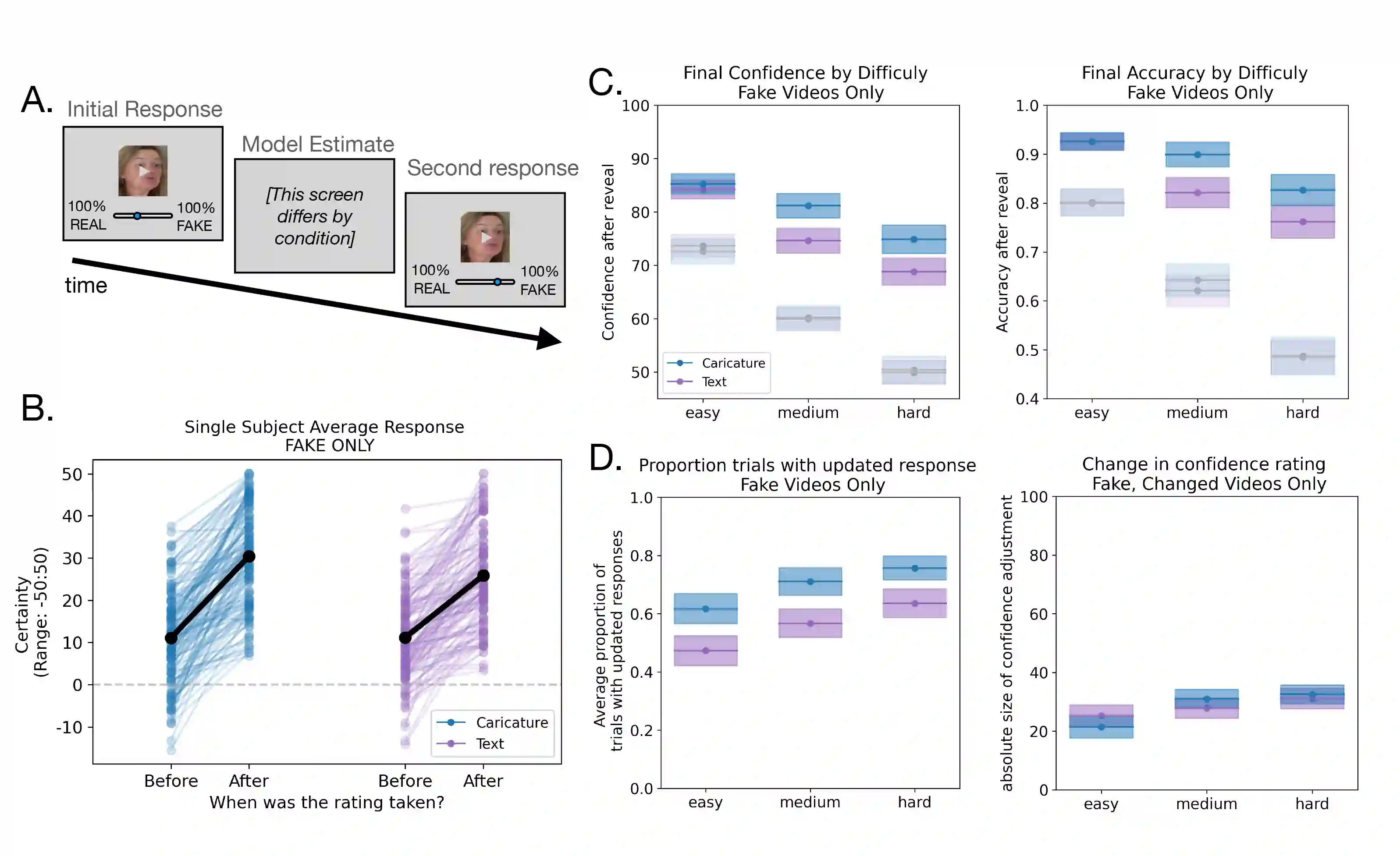
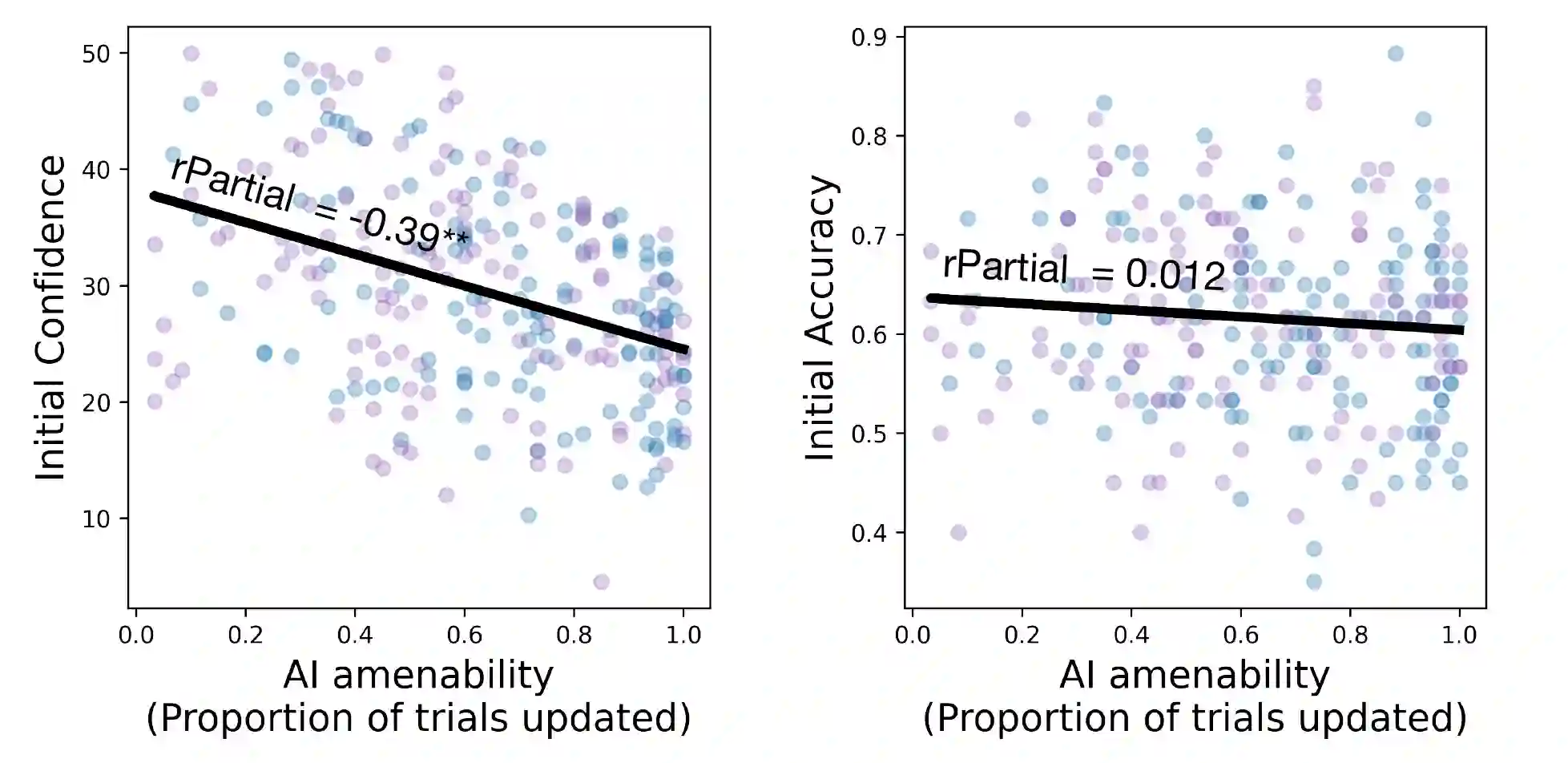
The development of technologies for easily and automatically falsifying video has raised practical questions about people's ability to detect false information online. How vulnerable are people to deepfake videos? What technologies can be applied to boost their performance? Human susceptibility to deepfake videos is typically measured in laboratory settings, which do not reflect the challenges of real-world browsing. In typical browsing, deepfakes are rare, engagement with the video may be short, participants may be distracted, or the video streaming quality may be degraded. Here, we tested deepfake detection under these ecological viewing conditions, and found that detection was lowered in all cases. Principles from signal detection theory indicated that different viewing conditions affected different dimensions of detection performance. Overall, this suggests that the current literature underestimates people's susceptibility to deepfakes. Next, we examined how computer vision models might be integrated into users' decision process to increase accuracy and confidence during deepfake detection. We evaluated the effectiveness of communicating the model's prediction to the user by amplifying artifacts in fake videos. We found that artifact amplification was highly effective at making fake video distinguishable from real, in a manner that was robust across viewing conditions. Additionally, compared to a traditional text-based prompt, artifact amplification was more convincing: people accepted the model's suggestion more often, and reported higher final confidence in their model-supported decision, particularly for more challenging videos. Overall, this suggests that visual indicators that cause distortions on fake videos may be highly effective at mitigating the impact of falsified video.
翻译:为便于自动伪造视频技术的开发引发了关于人们在线检测虚假信息能力的现实问题。人类对深度伪造视频的脆弱程度如何?何种技术可提升其检测表现?通常实验室环境测量的深度伪造视频易感性难以反映真实浏览场景的挑战。在典型浏览情境中,深度伪造罕见、视频观看时间短促、参与者可能分心或视频流质量下降。本研究在生态化观看条件下测试深度伪造检测,发现所有情境下检测能力均有所降低。基于信号检测理论的分析表明,不同观看条件影响检测表现的不同维度。总体而言,当前研究可能低估了人类对深度伪造的易感性。进一步地,我们探究了如何将计算机视觉模型融入用户决策过程以提升深度伪造检测的准确性与置信度。通过放大虚假视频中的伪影来传达模型预测,我们评估了这种方法的有效性。实验表明,伪影放大能高效区分真实与虚假视频,且在不同观看条件下均保持稳健。相较于传统文本提示,伪影放大更具说服力:参与者更频繁采纳模型建议,并在模型辅助决策后报告更高的最终置信度,尤其对于更具挑战性的视频。综合而言,对虚假视频引入视觉畸变指示可能是缓解伪造视频影响的有效手段。





相关内容


 微信扫码咨询专知VIP会员