

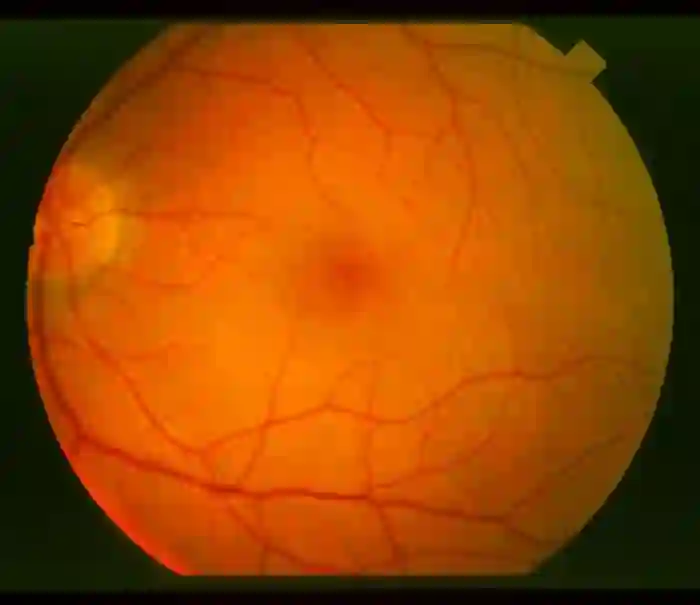
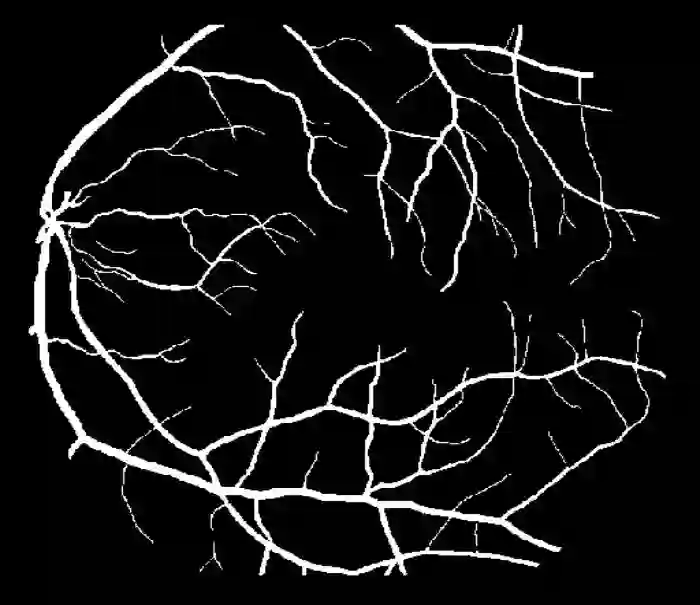
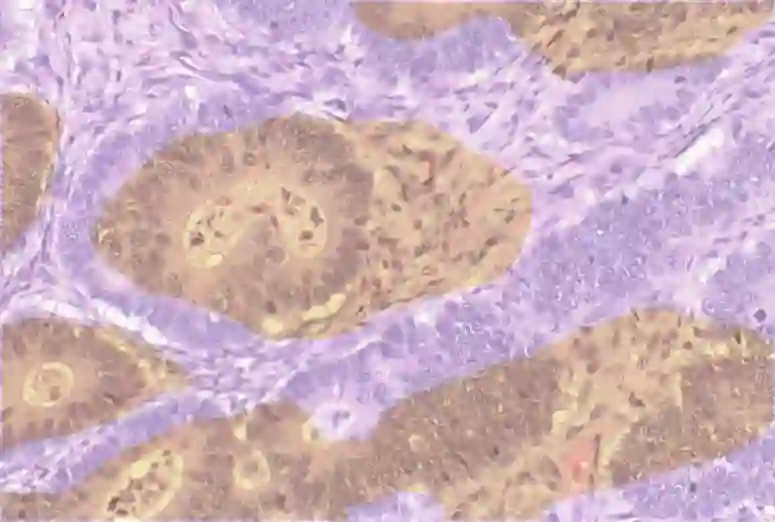
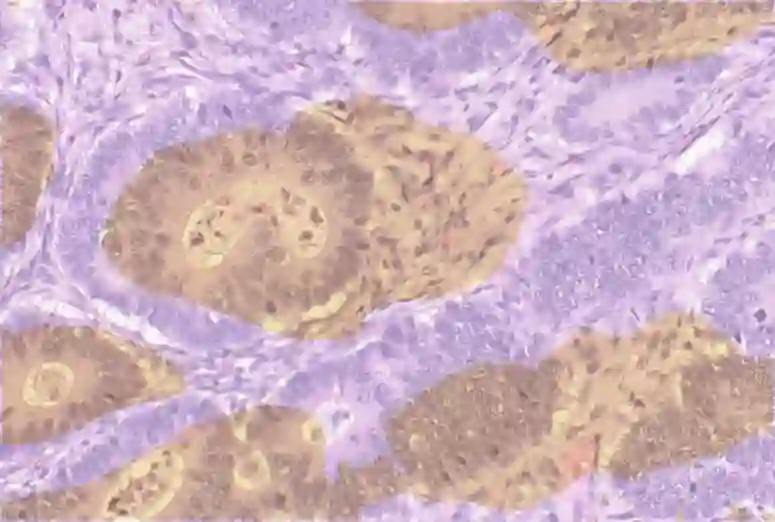
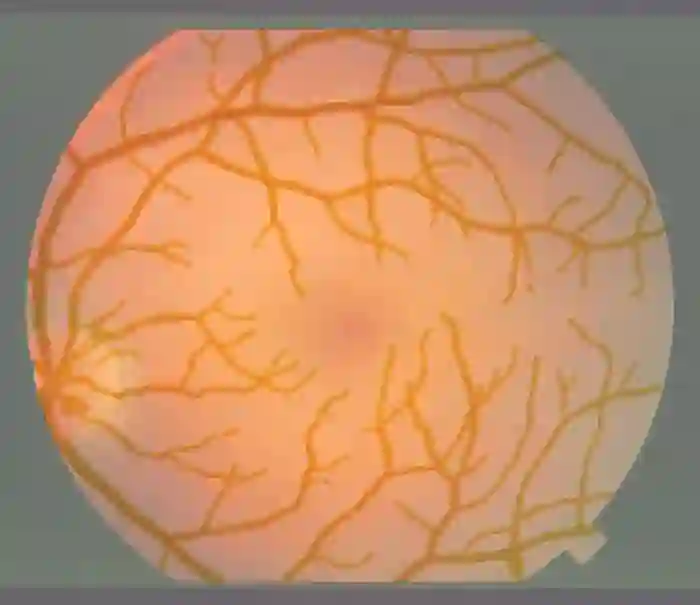
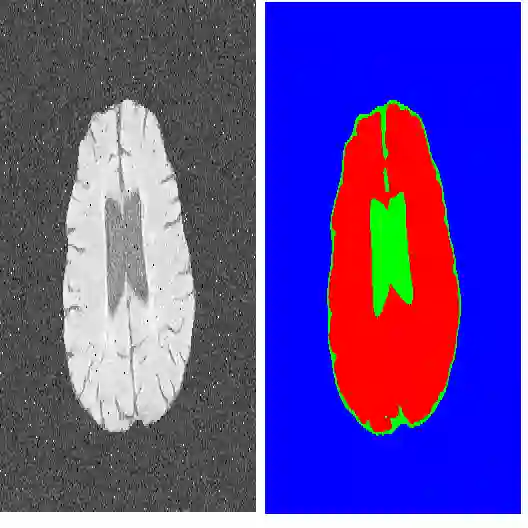
Image segmentation is a fundamental task in image analysis and clinical practice. The current state-of-the-art techniques are based on U-shape type encoder-decoder networks with skip connections, called U-Net. Despite the powerful performance reported by existing U-Net type networks, they suffer from several major limitations. Issues include the hard coding of the receptive field size, compromising the performance and computational cost, as well as the fact that they do not account for inherent noise in the data. They have problems associated with discrete layers, and do not offer any theoretical underpinning. In this work we introduce continuous U-Net, a novel family of networks for image segmentation. Firstly, continuous U-Net is a continuous deep neural network that introduces new dynamic blocks modelled by second order ordinary differential equations. Secondly, we provide theoretical guarantees for our network demonstrating faster convergence, higher robustness and less sensitivity to noise. Thirdly, we derive qualitative measures to tailor-made segmentation tasks. We demonstrate, through extensive numerical and visual results, that our model outperforms existing U-Net blocks for several medical image segmentation benchmarking datasets.
翻译:图像分割是图像分析与临床实践中的基础任务。当前最先进的技术基于具有跳跃连接的U型编码器-解码器网络,即U-Net。尽管现有U-Net类网络展现出强大的性能,但仍存在若干主要局限。问题包括感受野尺寸的硬编码限制了性能与计算成本,未考虑数据中固有噪声,离散层带来的相关问题以及缺乏理论支撑。本研究提出连续U-Net这一新型图像分割网络家族。首先,连续U-Net是一种连续深度神经网络,引入了由二阶常微分方程建模的新型动态块。其次,我们为该网络提供了理论保障,证明其具有更快的收敛速度、更高的鲁棒性和更低的噪声敏感性。第三,我们推导出可定制分割任务的定性度量指标。通过大量数值与可视化结果证明,我们的模型在多个医学图像分割基准数据集上优于现有U-Net模块。




相关内容



 微信扫码咨询专知VIP会员