

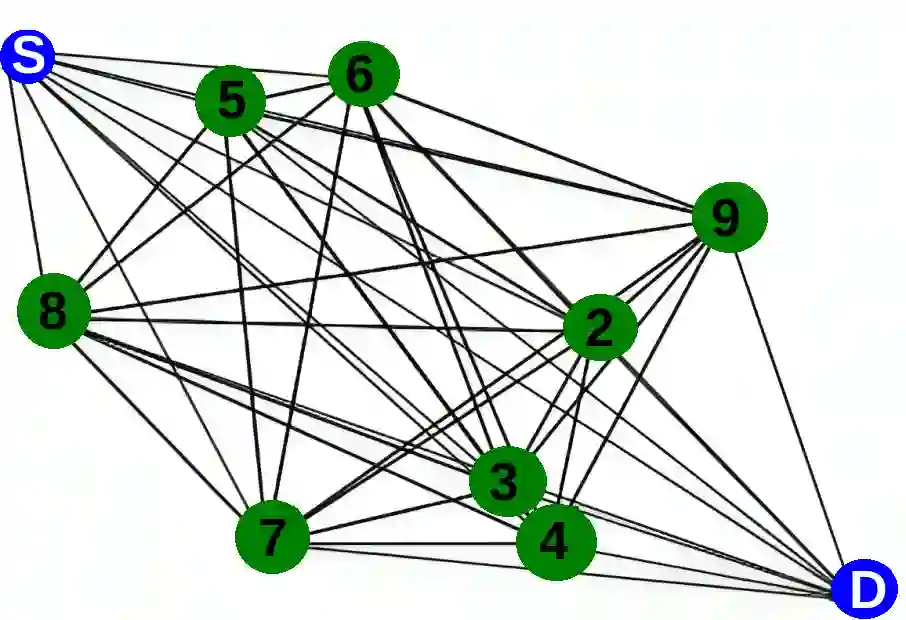
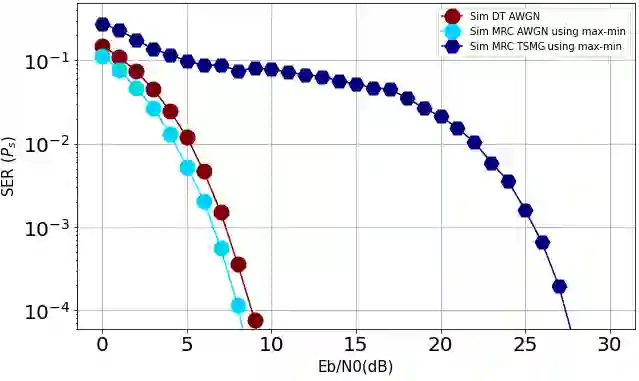
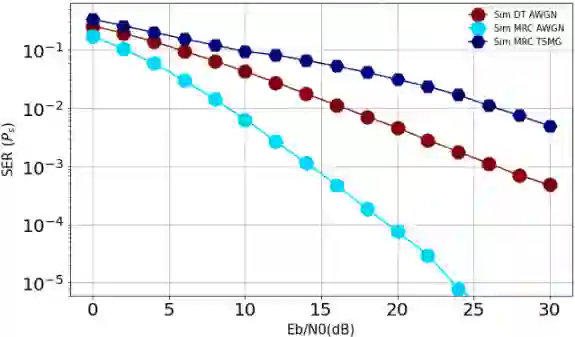
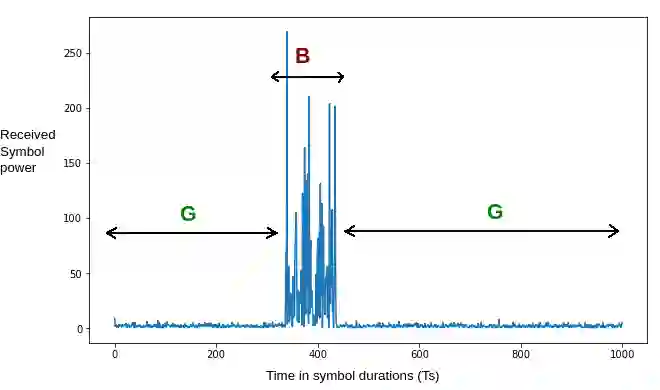
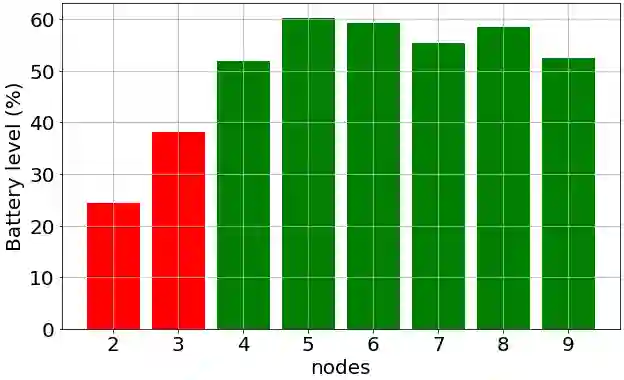
The problem of relay selection is pivotal in the realm of cooperative communication. However, this issue has not been thoroughly examined, particularly when the background noise is assumed to possess an impulsive characteristic with consistent memory as observed in smart grid communications and some other wireless communication scenarios. In this paper, we investigate the impact of this specific type of noise on the performance of cooperative Wireless Sensor Networks (WSNs) with the Decode and Forward (DF) relaying scheme, considering Symbol-Error-Rate (SER) and battery power consumption fairness across all nodes as the performance metrics. We introduce two innovative relay selection methods that depend on noise state detection and the residual battery power of each relay. The first method encompasses the adaptation of the Max-Min criterion to this specific context, whereas the second employs Reinforcement Learning (RL) to surmount this challenge. Our empirical outcomes demonstrate that the impacts of bursty impulsive noise on the SER performance can be effectively mitigated and that a balance in battery power consumption among all nodes can be established using the proposed methods.
翻译:中继选择是协作通信领域的关键问题,然而现有研究尚未充分探讨该问题,特别是当背景噪声具有智能电网通信及其他无线通信场景中常见的具有一致记忆性的脉冲特性时。本文研究了此类特殊噪声对采用解码转发中继协议的协作式无线传感器网络性能的影响,以符号错误率和各节点电池能耗公平性为性能指标。我们提出了两种创新的中继选择方法,其决策依据为噪声状态检测与各中继剩余电池电量:第一种方法将最大-最小准则适配至该特定场景,第二种方法则利用强化学习克服这一挑战。实验结果表明,所提方法可有效抑制突发脉冲噪声对符号错误率性能的影响,并能在所有节点间建立电池能耗的平衡。




相关内容





 微信扫码咨询专知VIP会员