

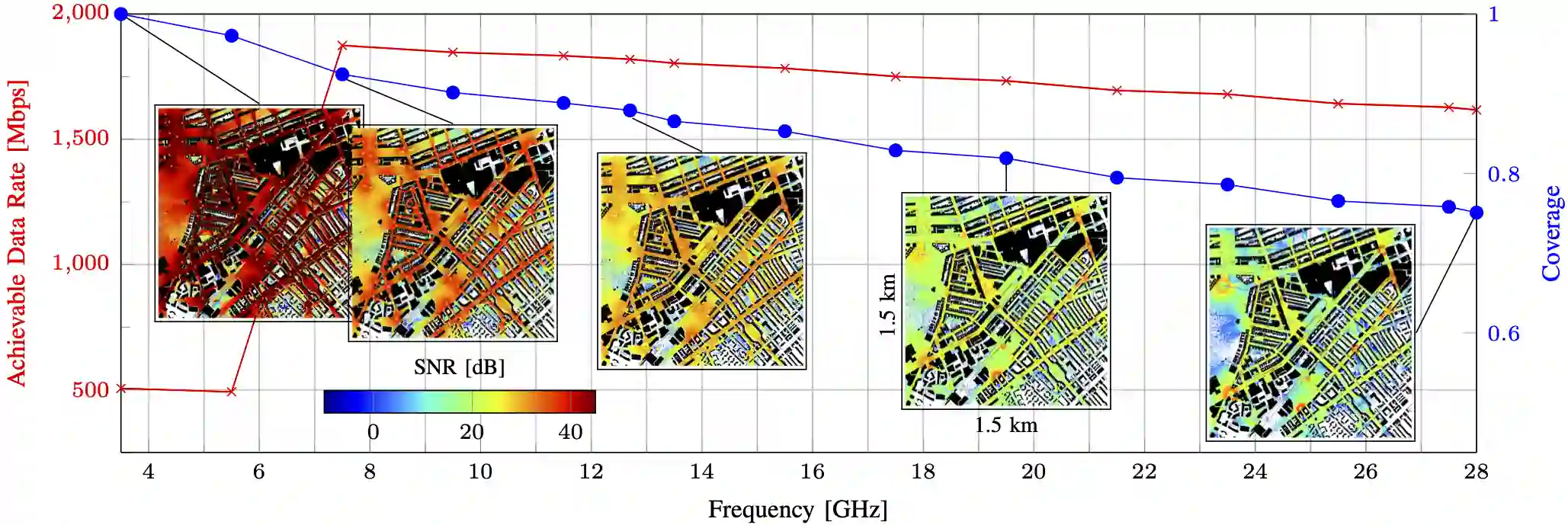
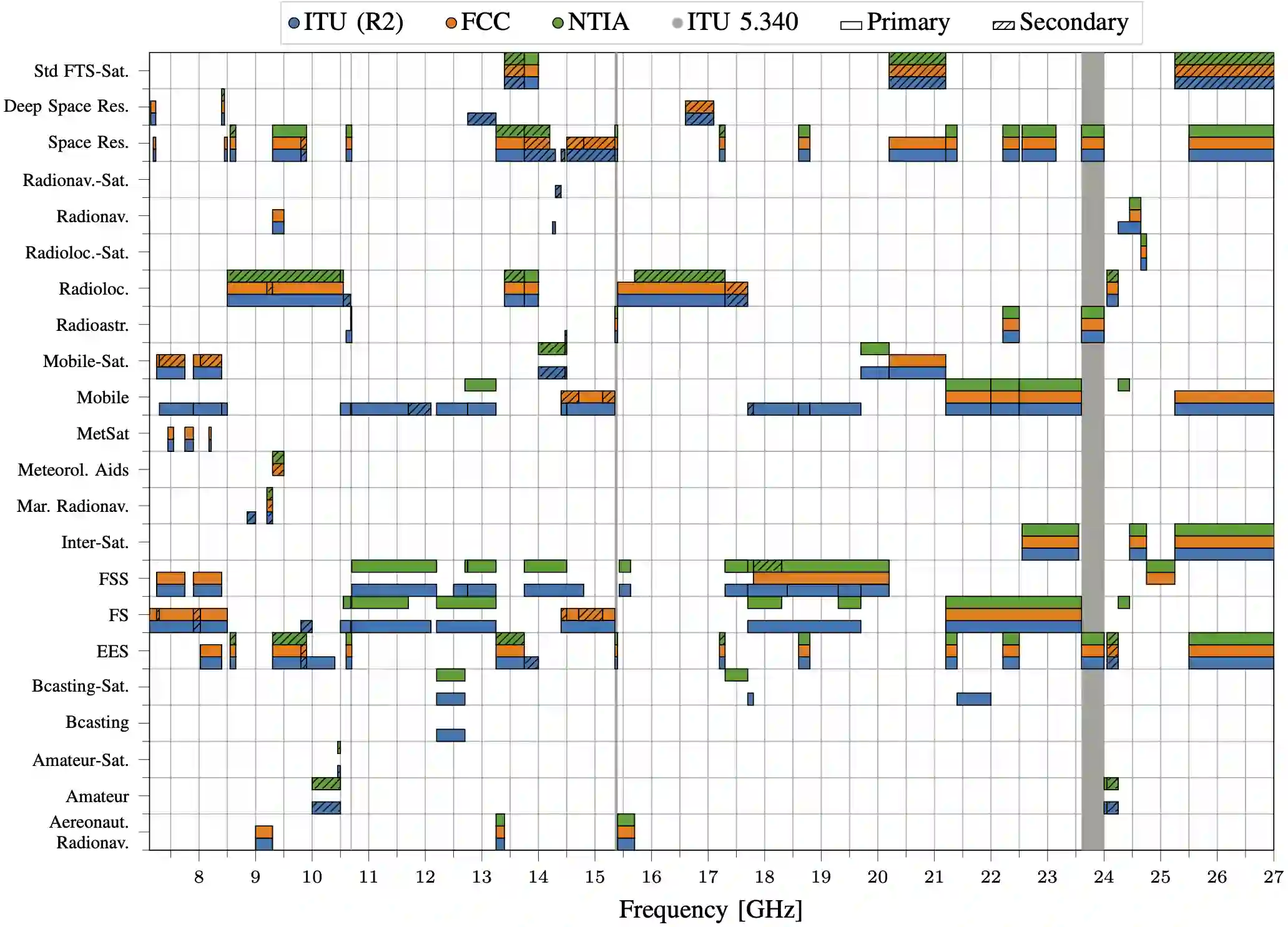
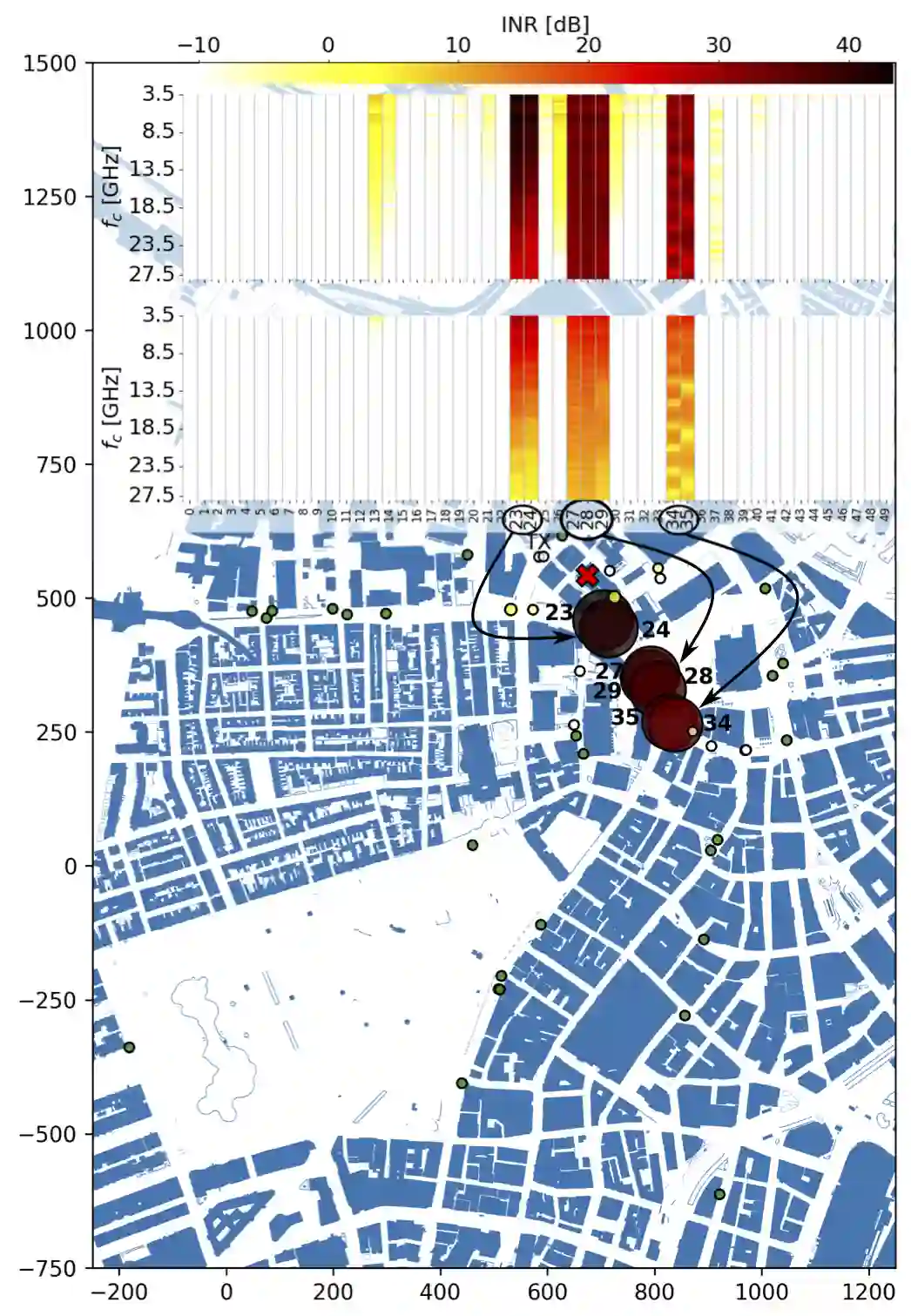
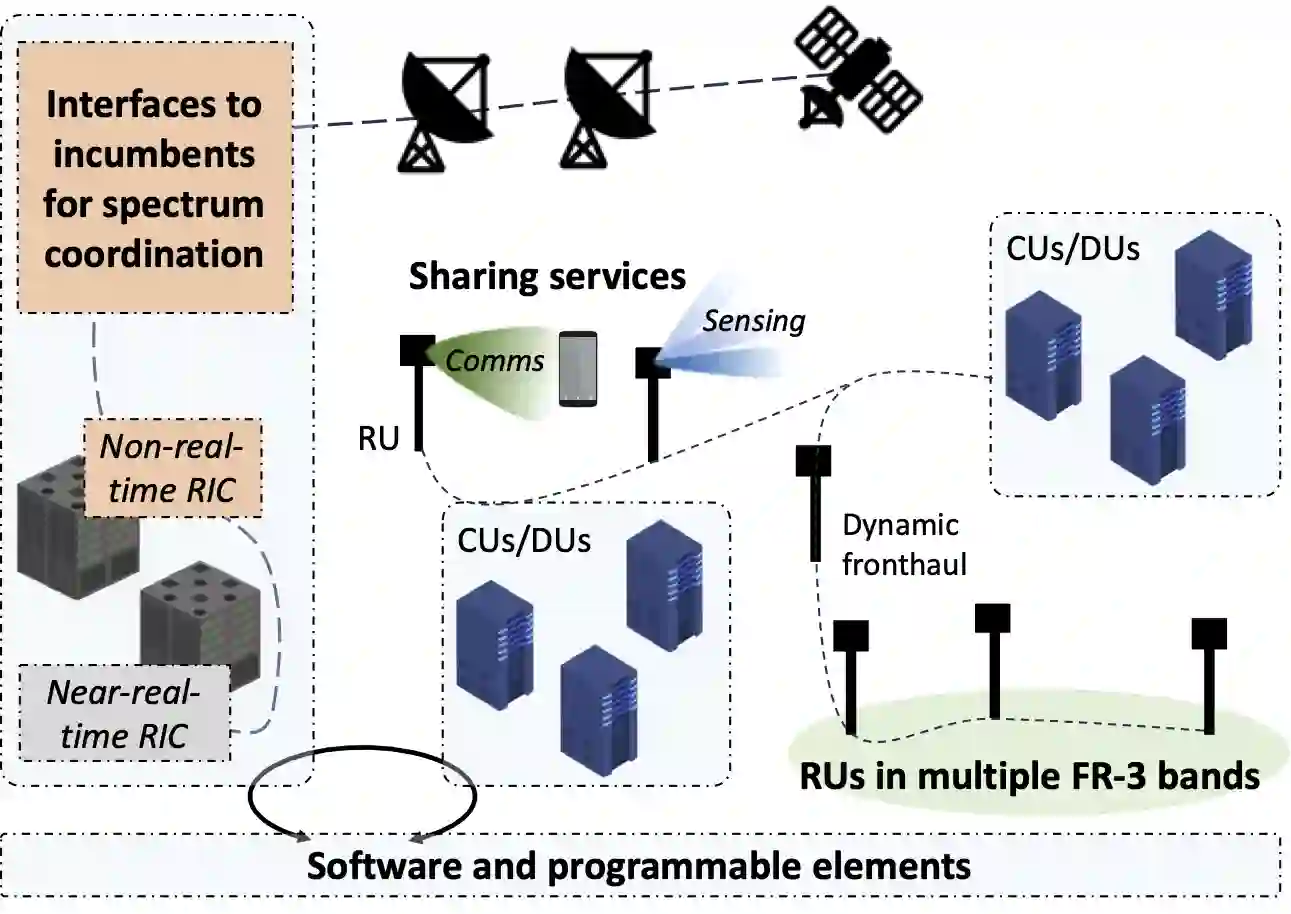
The upper midband, spanning 7 to 24 GHz, strikes a good balance between large bandwidths and favorable propagation environments for future 6th Generation (6G) networks. Wireless networks in the upper midband, however, will need to share the spectrum and safely coexist with a variety of incumbents, ranging from radiolocation to fixed satellite services, as well as Earth exploration and sensing. In this paper, we take the first step toward understanding the potential and challenges associated with cellular systems between 7 and 24 GHz. Our focus is on the enabling technologies and policies for coexistence with established incumbents. We consider dynamic spectrum sharing solutions enabled by programmable and adaptive cellular networks, but also the possibility of leveraging the cellular infrastructure for incumbent services. Our comprehensive analysis employs ray tracing and examines real-world urban scenarios to evaluate throughput, coverage tradeoffs, and the potential impact on incumbent services. Our findings highlight the advantages of FR-3 over FR-2 and FR-1 in terms of coverage and bandwidth, respectively. We conclude by discussing a network architecture based on Open RAN, aimed at enabling dynamic spectrum and service sharing.
翻译:上中频段(7-24 GHz)在宽带容量与传播环境之间取得了良好平衡,为未来第六代(6G)网络提供了理想部署条件。然而,在该频段运行的无线网络需与包括无线电定位、固定卫星服务及地球探测与遥感在内的多种既有业务实现频谱共享与安全共存。本文首次探索了7-24 GHz蜂窝系统的潜力与挑战,重点关注与既有业务共存使能技术与政策。我们研究了基于可编程自适应蜂窝网络的动态频谱共享方案,同时探讨利用蜂窝基础设施承载既有业务的可能性。通过采用射线追踪方法分析真实城市场景,我们综合评估了吞吐量、覆盖权衡及对既有业务的潜在影响。研究结果表明,FR-3在覆盖能力与带宽性能上分别优于FR-2与FR-1。最后,我们讨论了基于开放无线接入网(Open RAN)的网络架构,旨在实现频谱与服务的动态共享。





相关内容




 微信扫码咨询专知VIP会员