

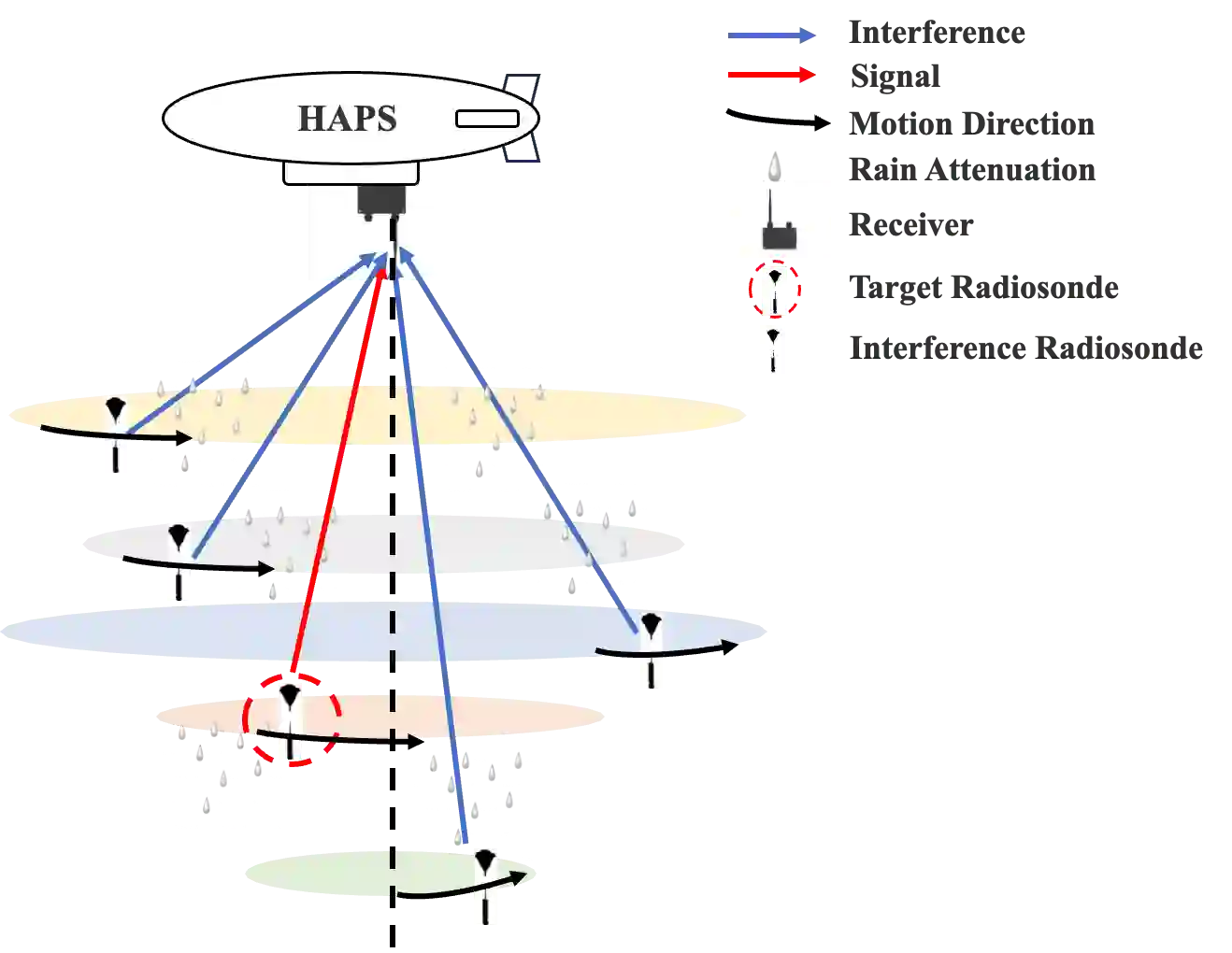
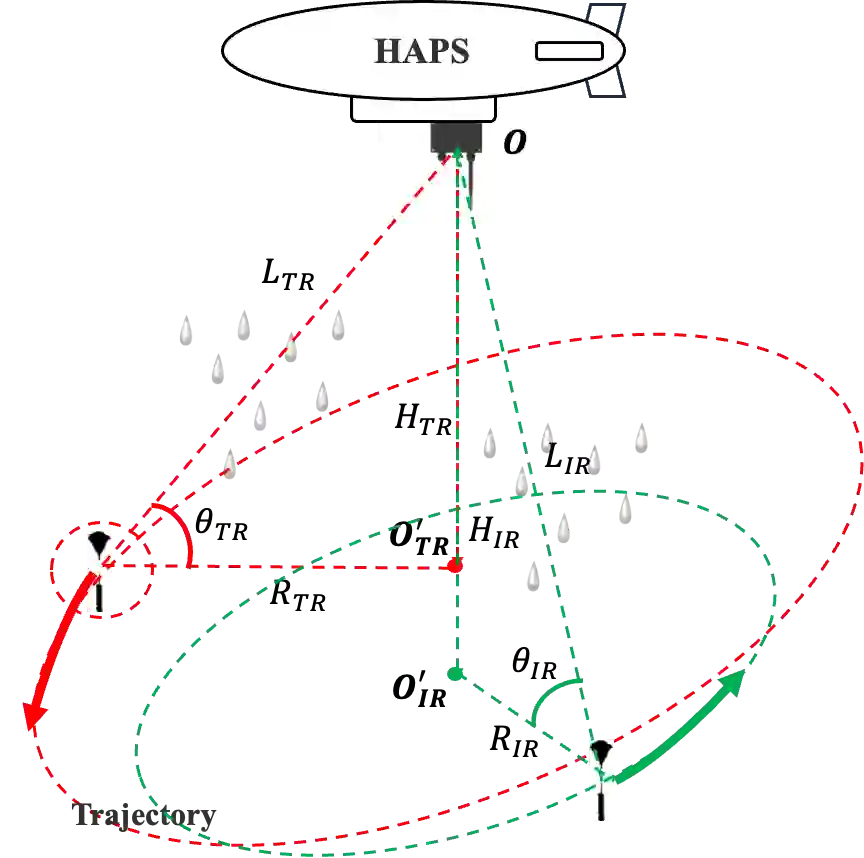
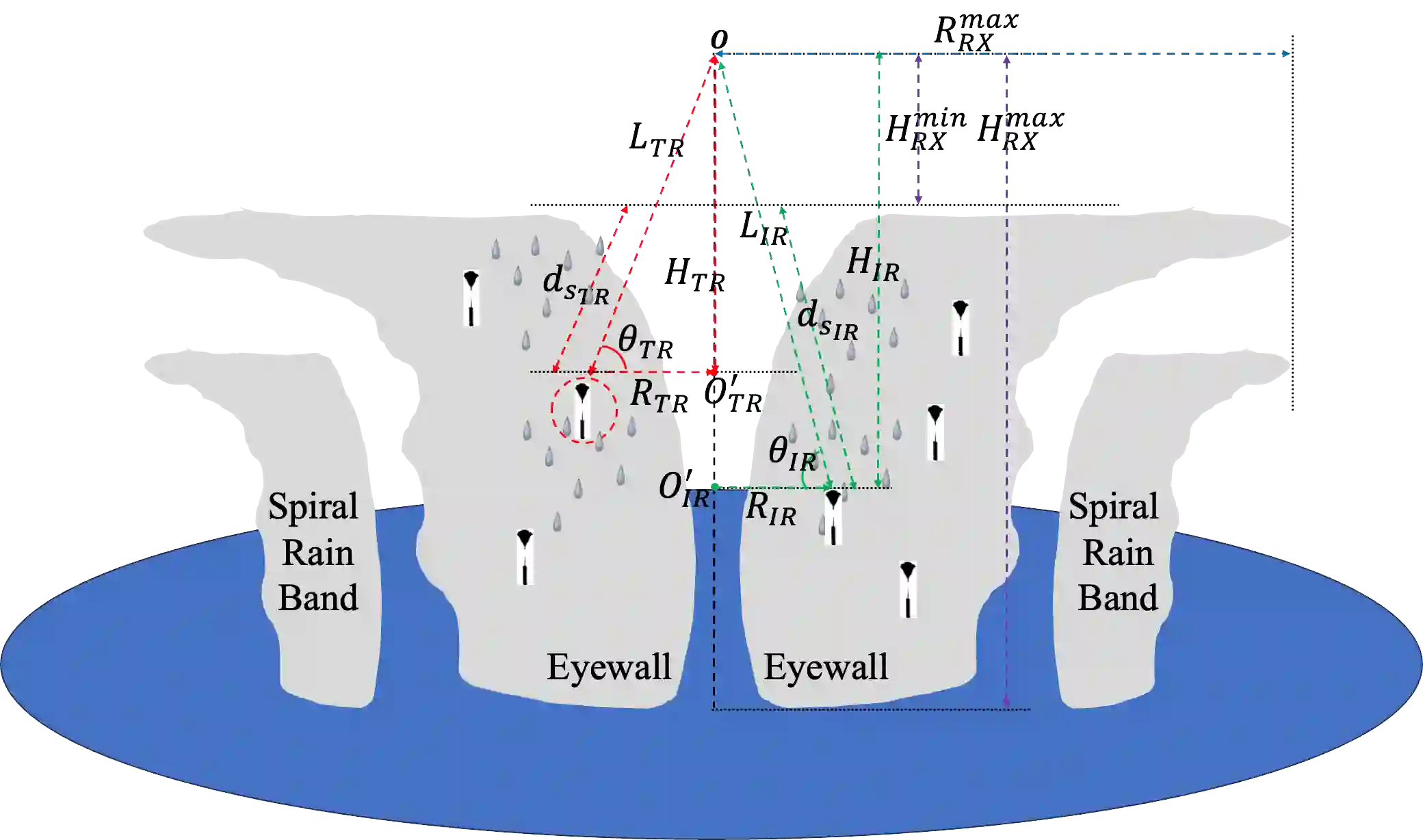
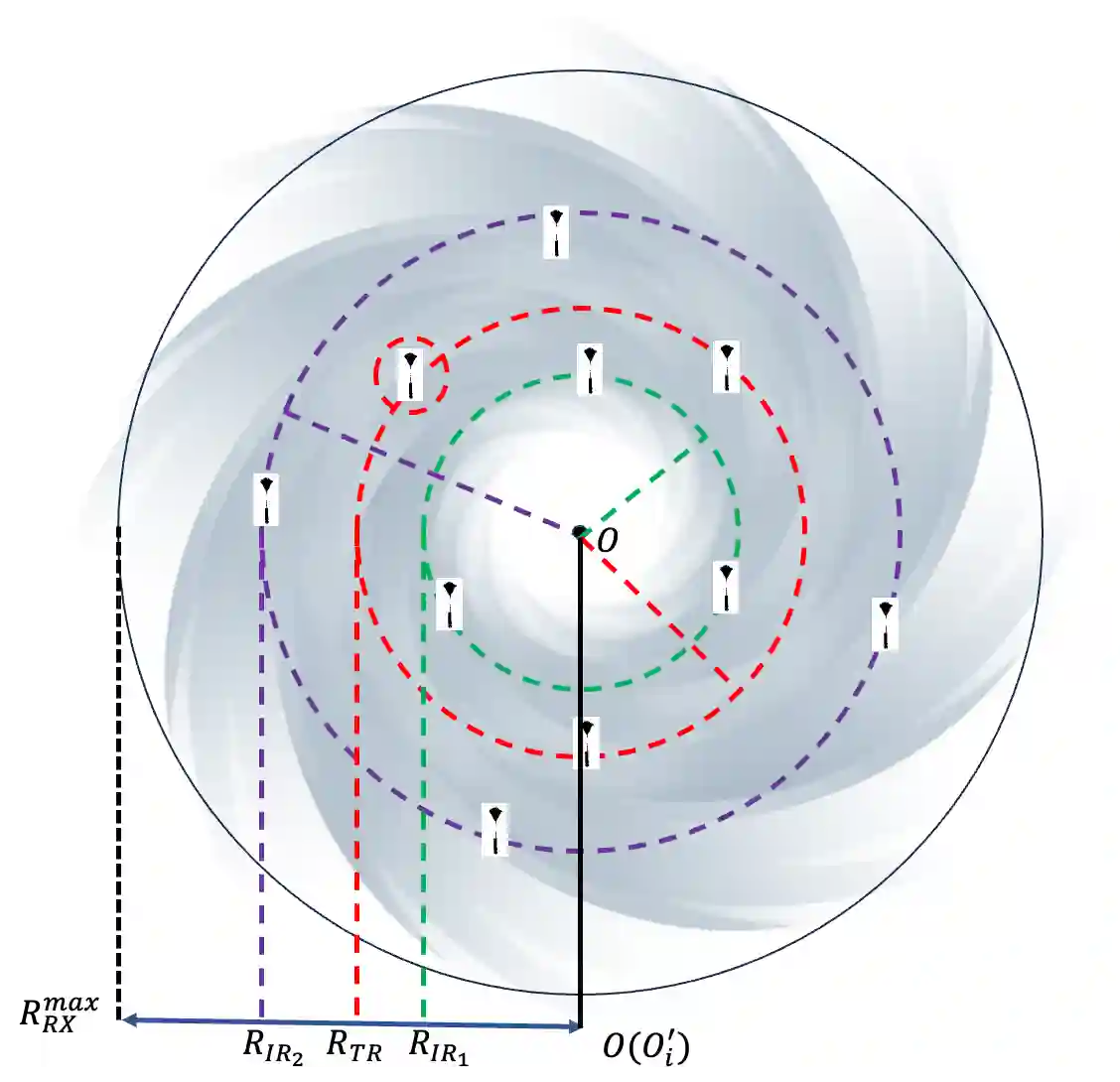
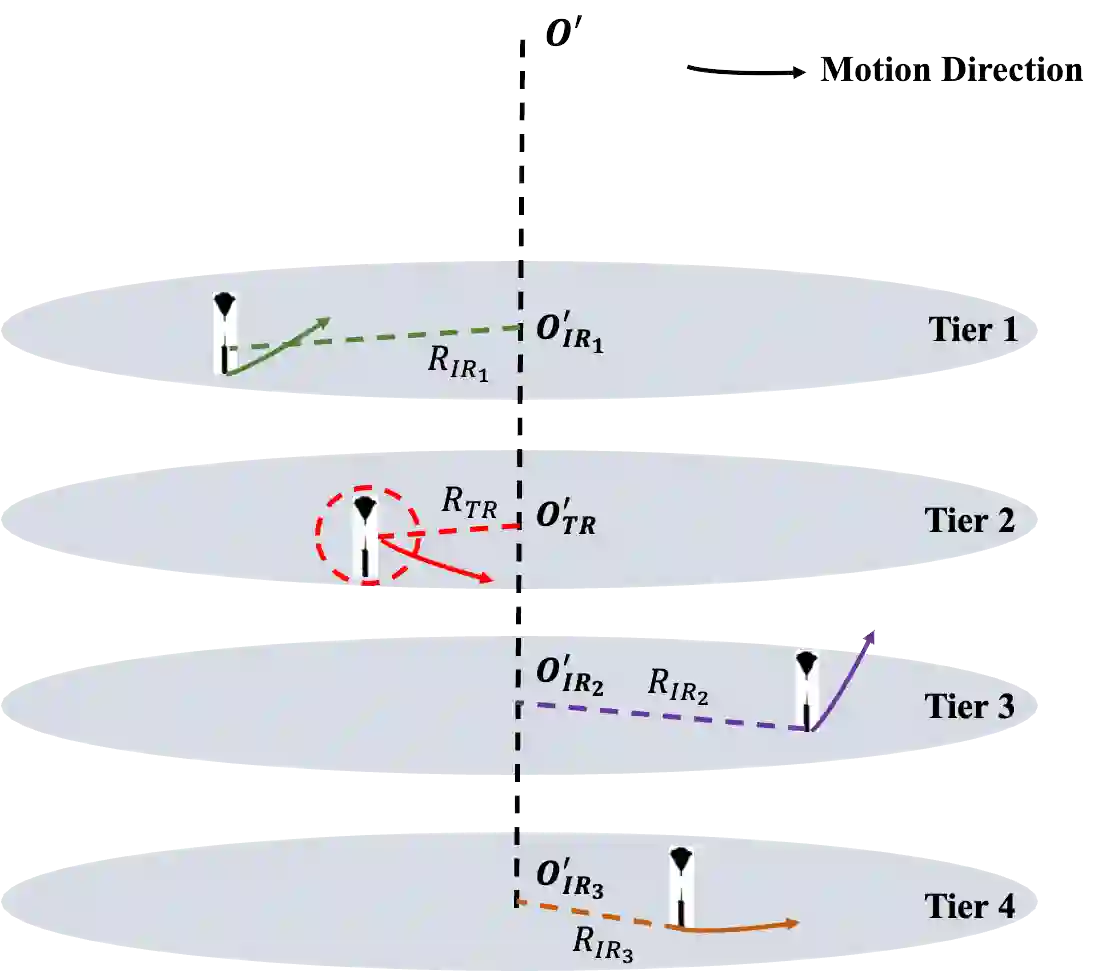
This paper is concerned with the theoretical modeling and analysis of uplink connection performance of a radiosonde network deployed in a typhoon. Similar to existing works, the stochastic geometry theory is leveraged to derive the expression of the uplink connection probability (CP) of a radiosonde. Nevertheless, existing works assume that network nodes are spherically or uniformly distributed. Different from the existing works, this paper investigates two particular motion patterns of radiosondes in a typhoon, which significantly challenges the theoretical analysis. According to their particular motion patterns, this paper first separately models the distributions of horizontal and vertical distances from a radiosonde to its receiver. Secondly, this paper derives the closed-form expressions of cumulative distribution function (CDF) and probability density function (PDF) of a radiosonde's three-dimensional (3D) propagation distance to its receiver. Thirdly, this paper derives the analytical expression of the uplink CP for any radiosonde in the network. Finally, extensive numerical simulations are conducted to validate the theoretical analysis, and the influence of various network design parameters are comprehensively discussed. Simulation results show that when the signal-to-interference-noise ratio (SINR) threshold is below -35 dB, and the density of radiosondes remains under 0.01/km^3, the uplink CP approaches 26%, 39%, and 50% in three patterns.
翻译:本文针对部署于台风环境中的无线电探空仪网络上行链路连接性能进行理论建模与分析。与现有研究类似,本文利用随机几何理论推导无线电探空仪上行链路连接概率的表达式。然而,现有研究通常假设网络节点呈球形或均匀分布。与现有研究不同,本文重点探究台风中无线电探空仪的两种特殊运动模式,这对理论分析提出了显著挑战。基于其特殊运动模式,本文首先分别建立了探空仪到接收机水平距离与垂直距离的分布模型。其次,推导了探空仪到接收机三维传播距离的累积分布函数与概率密度函数的闭式表达式。第三,推导了网络中任意探空仪上行链路连接概率的解析表达式。最后,通过大量数值仿真验证理论分析,并系统讨论了各类网络设计参数的影响。仿真结果表明:当信干噪比阈值低于-35 dB且探空仪密度小于0.01/km^3时,三种模式下的上行链路连接概率分别趋近于26%、39%和50%。




相关内容




 微信扫码咨询专知VIP会员