

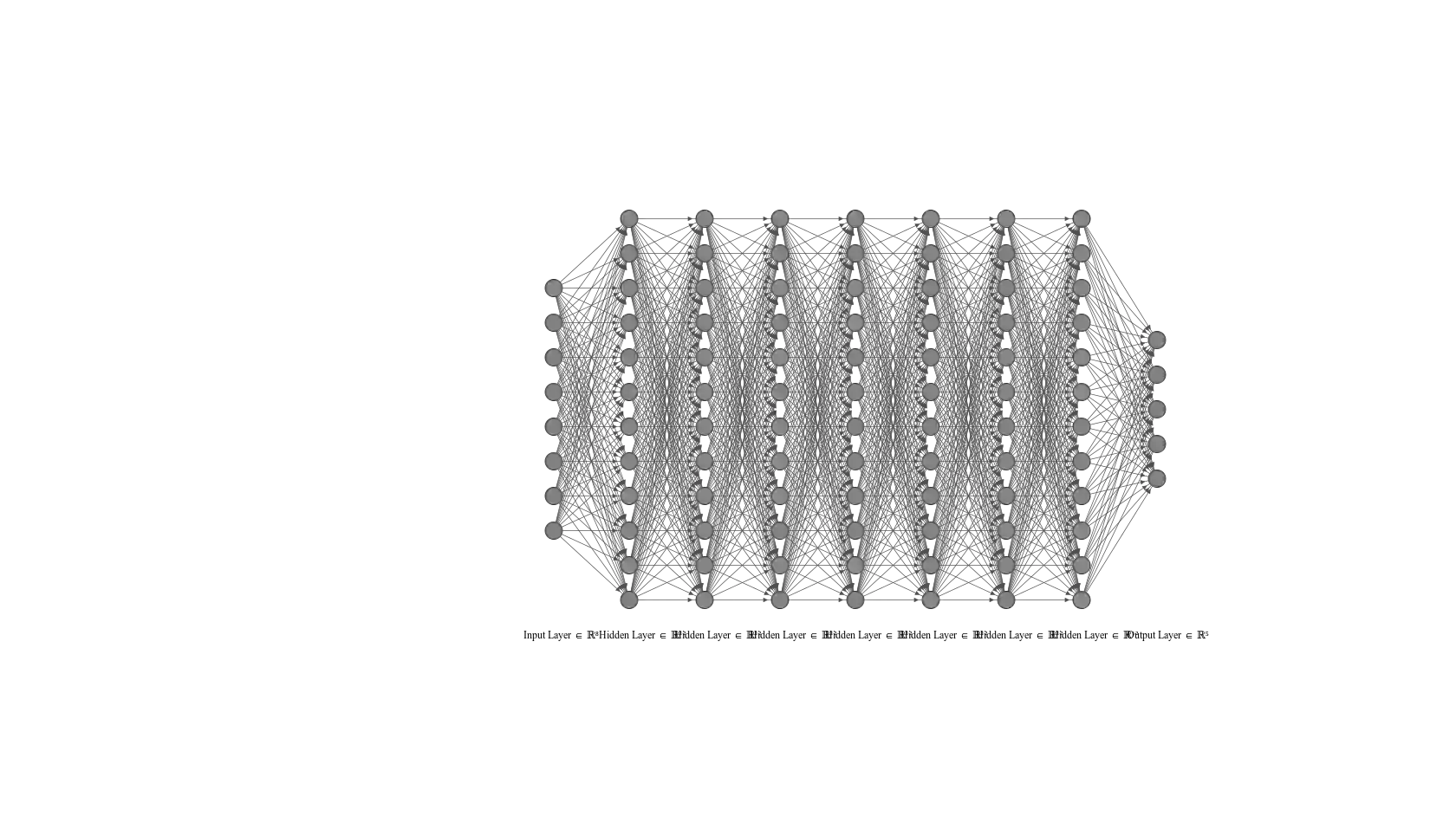
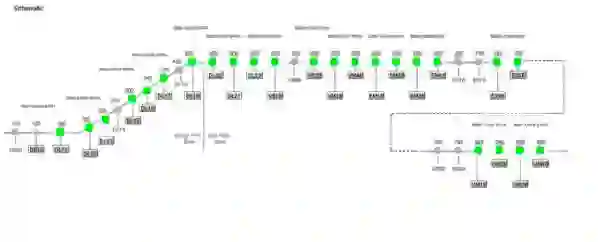
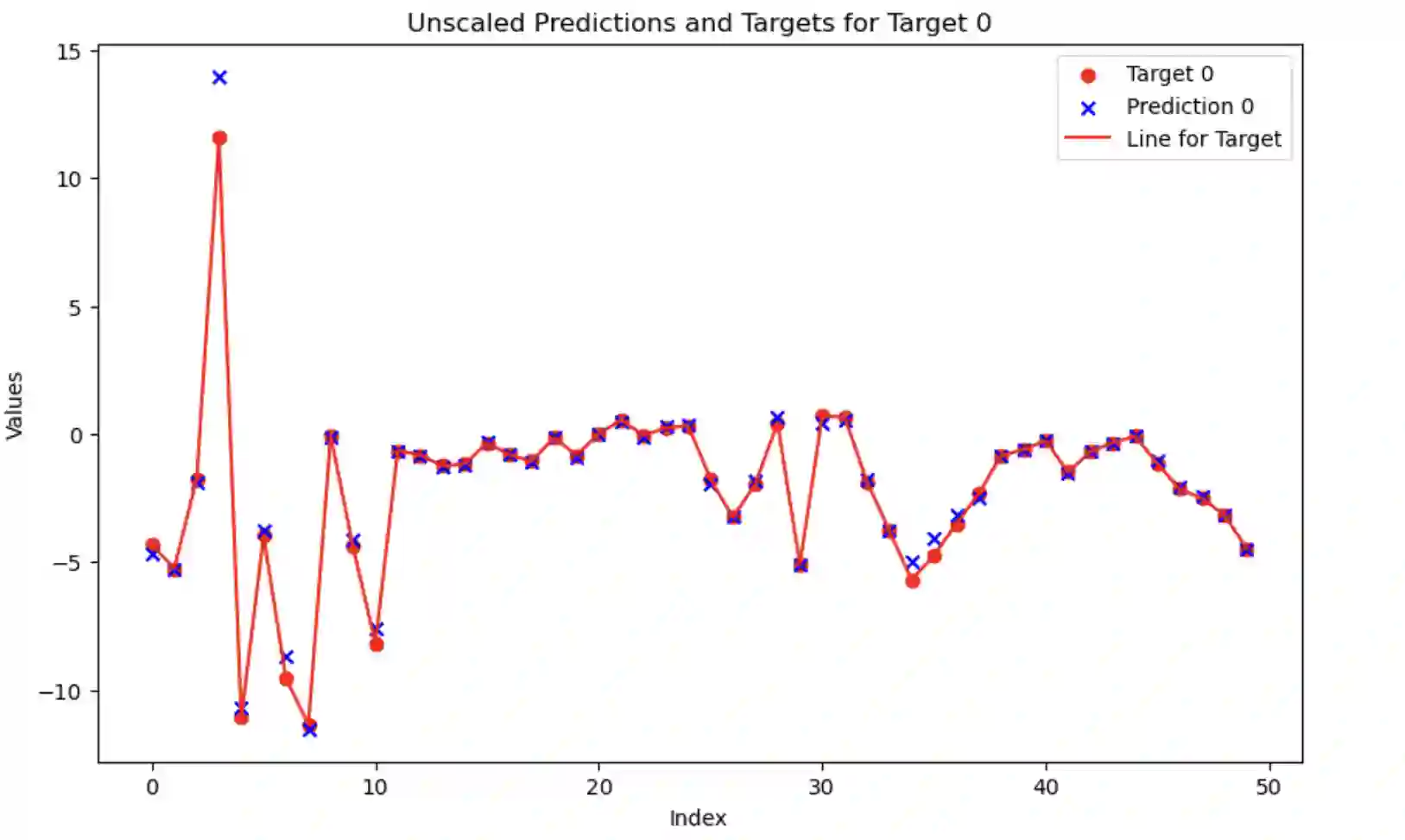
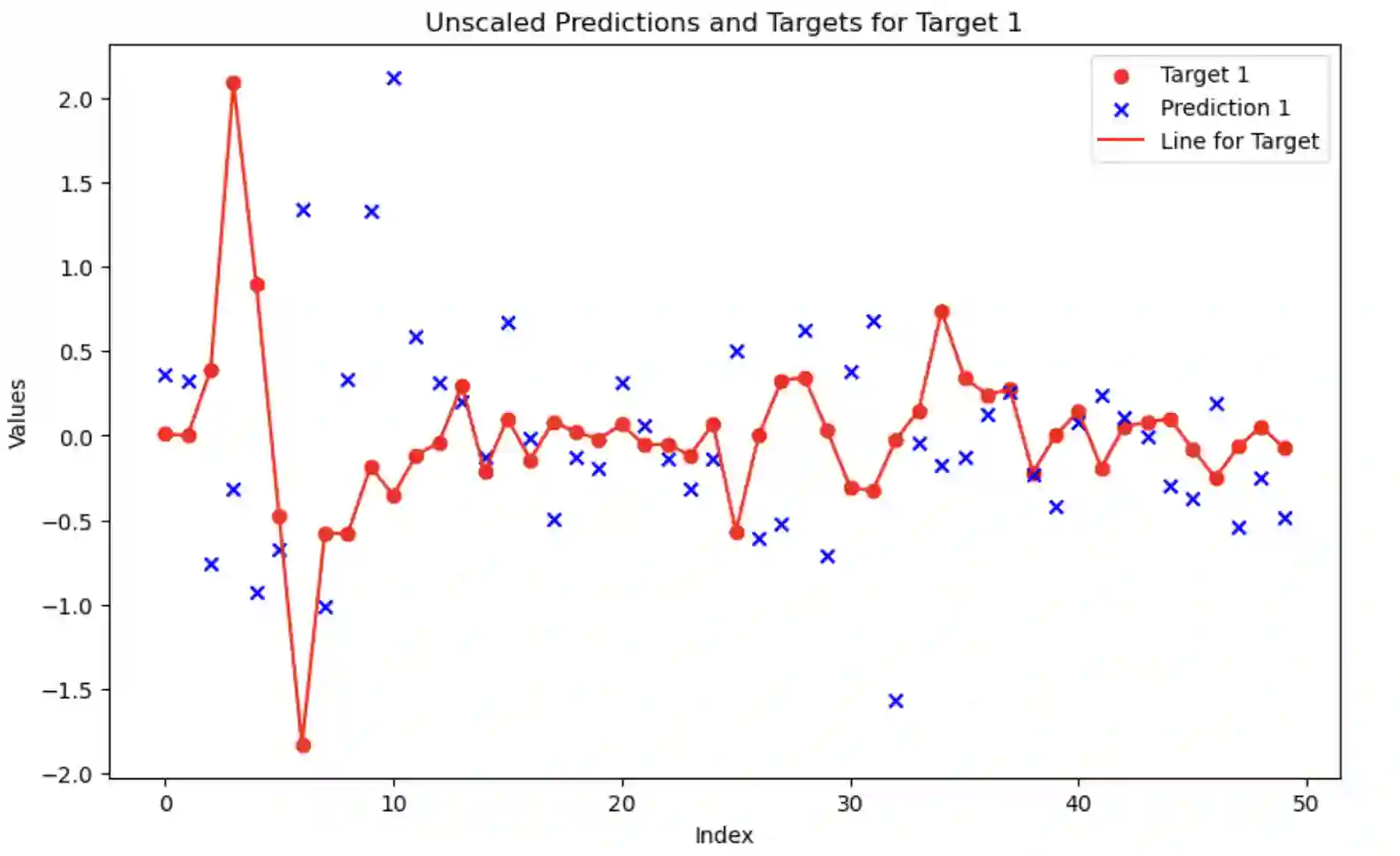
Beam steering is the process involving the calibration of the angle and position at which a particle accelerator's electron beam is incident upon the x-ray target with respect to the rotation axis of the collimator. Beam Steering is an essential task for light sources. In the case under study, the LINAC To Undulator (LTU) section of the beamline is difficult to aim. Each use of the accelerator requires re-calibration of the magnets in this section. This involves a substantial amount of time and effort from human operators, while reducing scientific throughput of the light source. We investigate the use of deep neural networks to assist in this task. The deep learning models are trained on archival data and then validated on simulation data. The performance of the deep learning model is contrasted against that of trained human operators.
翻译:束线导向是这样一个过程:涉及校准粒子加速器电子束以相对于准直器旋转轴入射到X射线靶上的角度和位置。束线导向是光源的一项关键任务。在所研究的案例中,束线的直线加速器至波荡器(LTU)段难以瞄准。每次使用加速器都需要重新校准该段中的磁铁。这占用了操作人员大量的时间和精力,同时降低了光源的科学产出。我们研究了使用深度神经网络来辅助完成这一任务。深度学习模型基于存档数据进行训练,然后在模拟数据上进行验证。我们将深度学习模型的性能与经过训练的人类操作员进行了对比。




相关内容




 微信扫码咨询专知VIP会员