

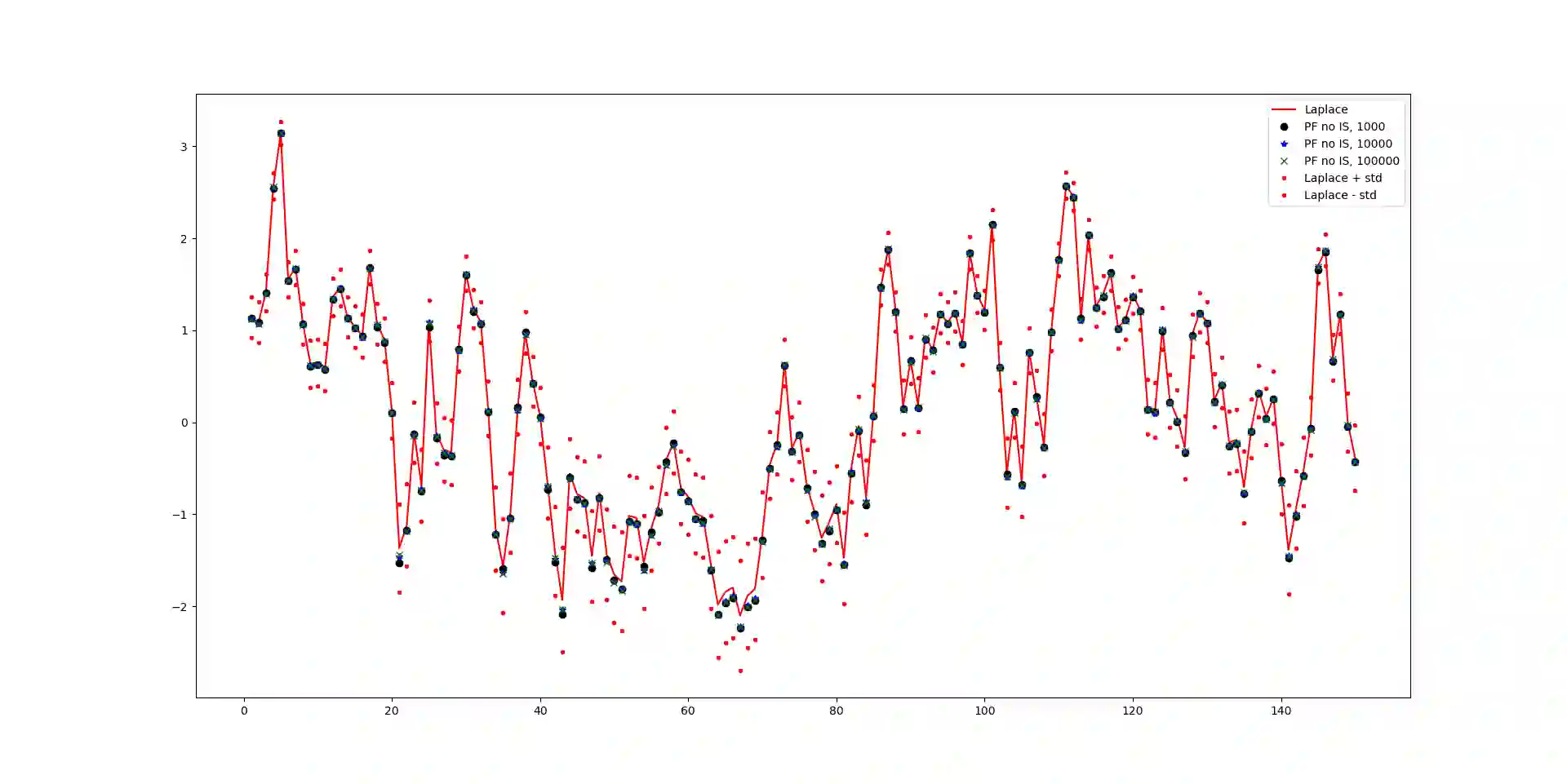
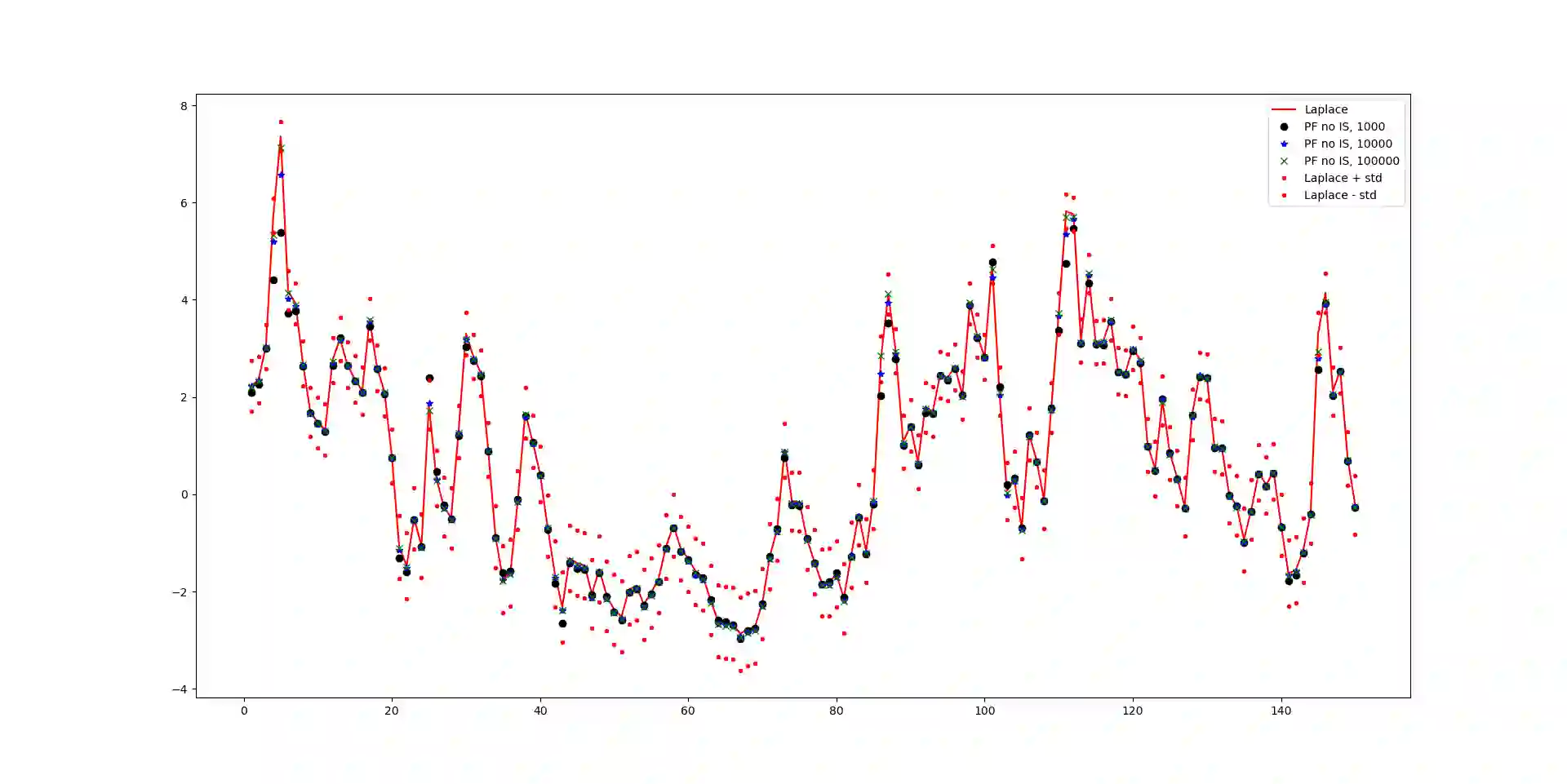
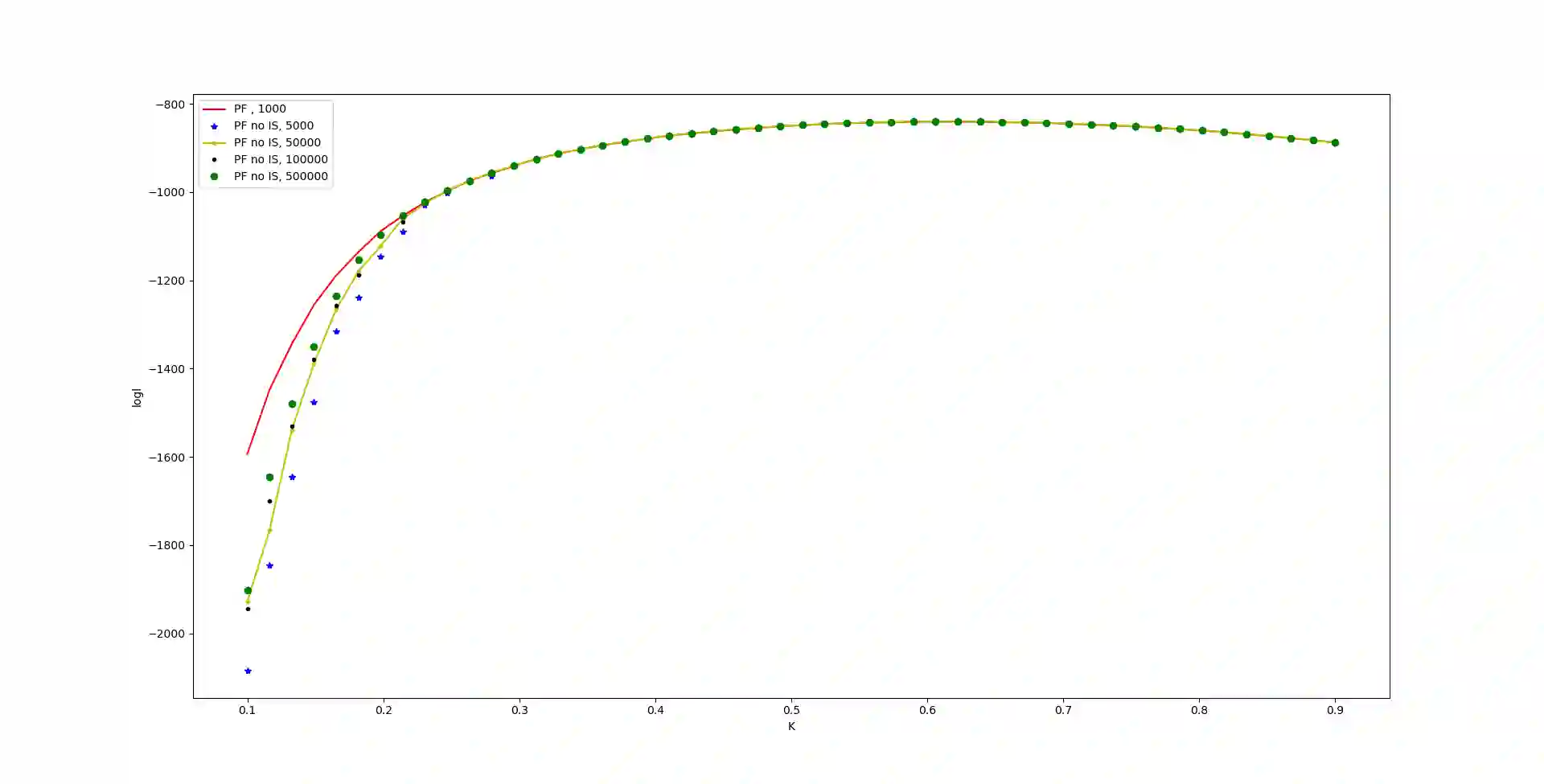
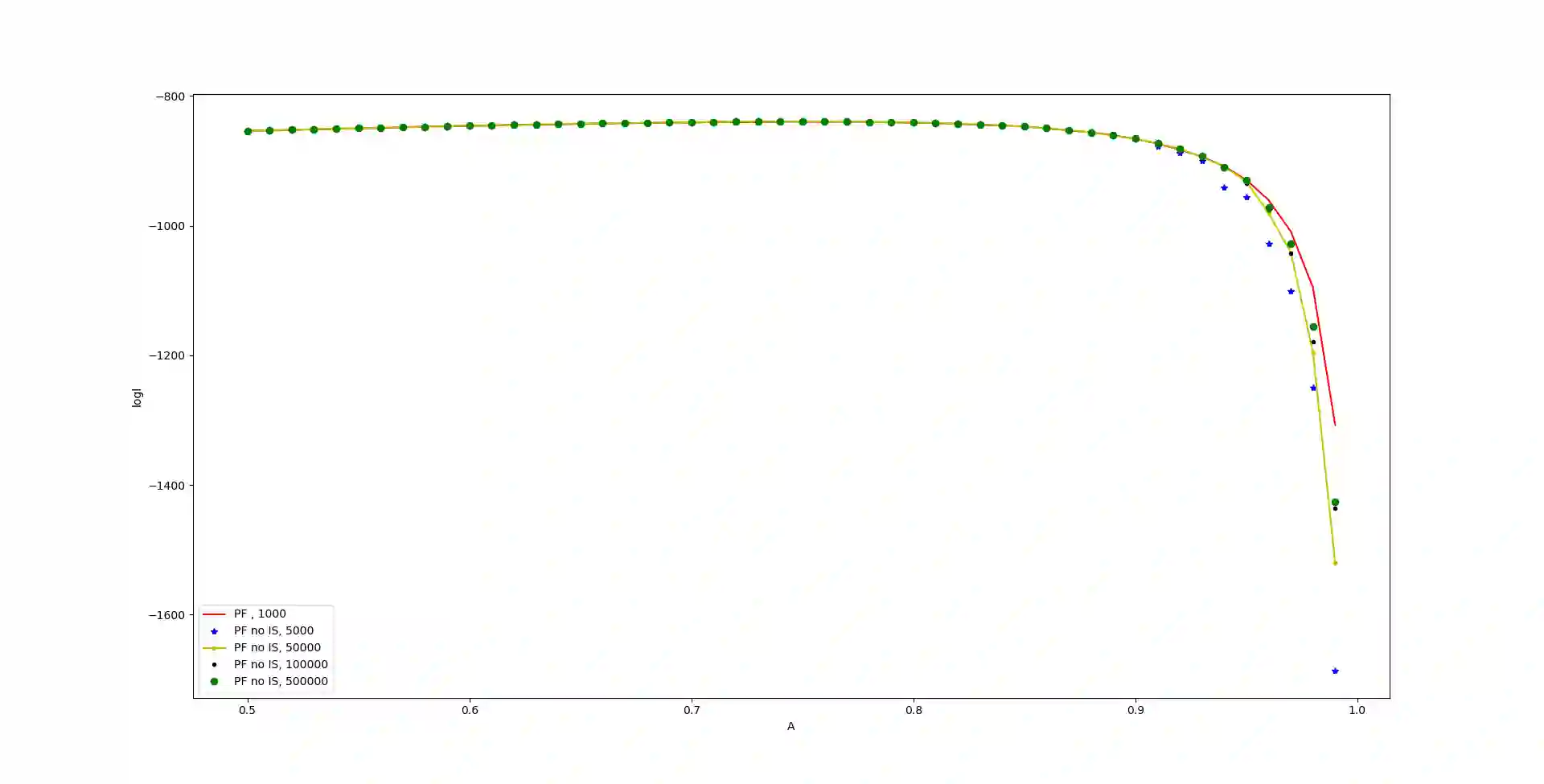
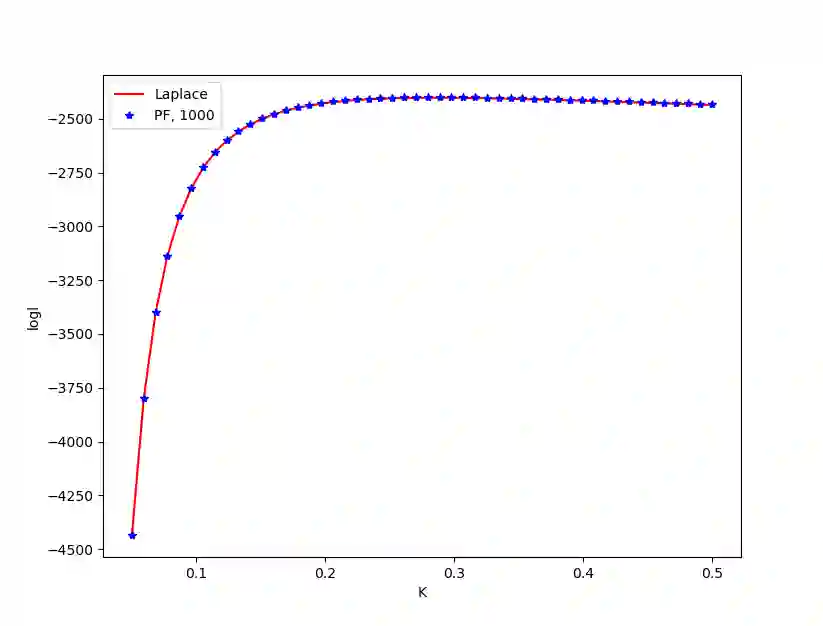
In this paper we develop Maximum likelihood (ML) based algorithms to calibrate the model parameters in credit rating transition models. Since the credit rating transition models are not Gaussian linear models, the celebrated Kalman filter is not suitable to compute the likelihood of observed migrations. Therefore, we develop a Laplace approximation of the likelihood function and as a result the Kalman filter can be used in the end to compute the likelihood function. This approach is applied to so-called high-default portfolios, in which the number of migrations (defaults) is large enough to obtain high accuracy of the Laplace approximation. By contrast, low-default portfolios have a limited number of observed migrations (defaults). Therefore, in order to calibrate low-default portfolios, we develop a ML algorithm using a particle filter (PF) and Gaussian process regression. Experiments show that both algorithms are efficient and produce accurate approximations of the likelihood function and the ML estimates of the model parameters.
翻译:本文开发了基于最大似然(ML)的算法,用于校准信用评级转移模型中的模型参数。由于信用评级转移模型并非高斯线性模型,著名的卡尔曼滤波器不适用于计算观测迁移的似然。因此,我们提出了似然函数的拉普拉斯逼近方法,从而最终能够利用卡尔曼滤波器计算似然函数。该方法应用于所谓的高违约组合,其中迁移(违约)数量足够大,能够保证拉普拉斯逼近的高精度。相反,低违约组合的观测迁移(违约)数量有限。因此,为了校准低违约组合,我们开发了一种结合粒子滤波器(PF)与高斯过程回归的ML算法。实验表明,这两种算法均高效且能精确逼近似然函数与模型参数的ML估计值。




相关内容




 微信扫码咨询专知VIP会员