

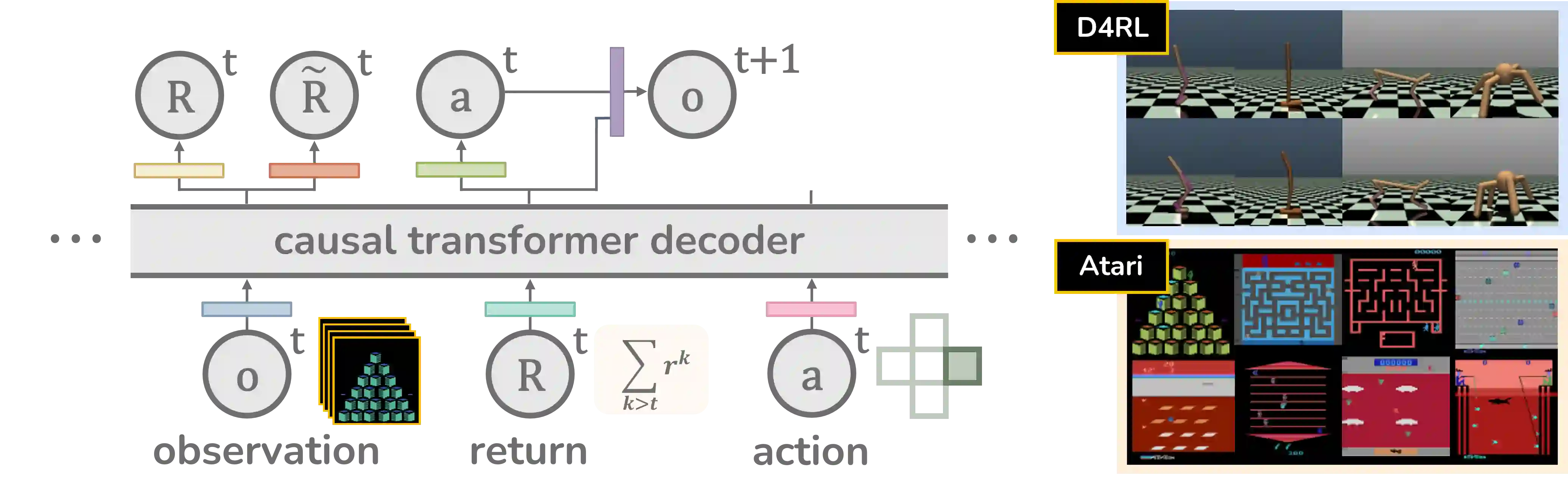
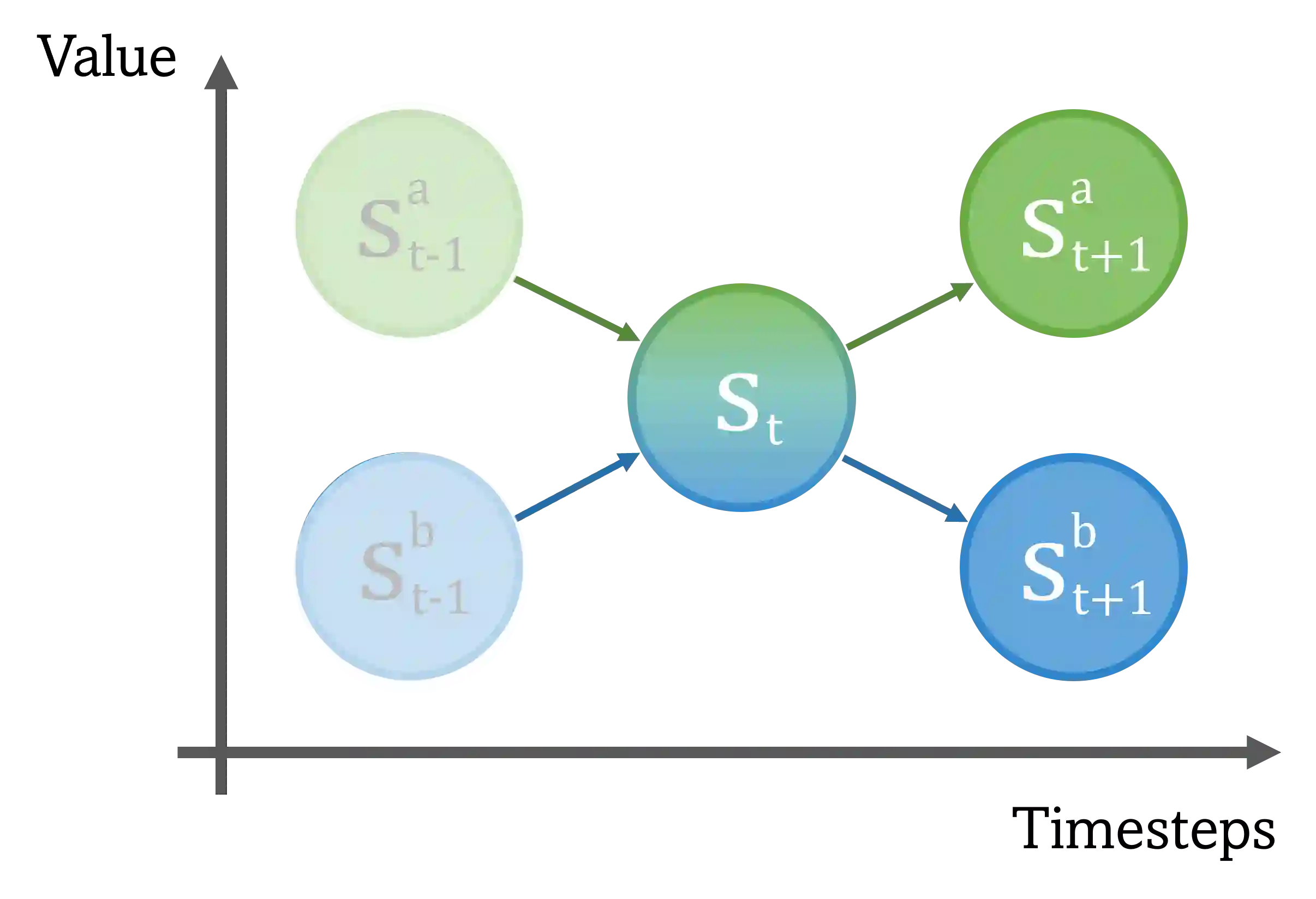
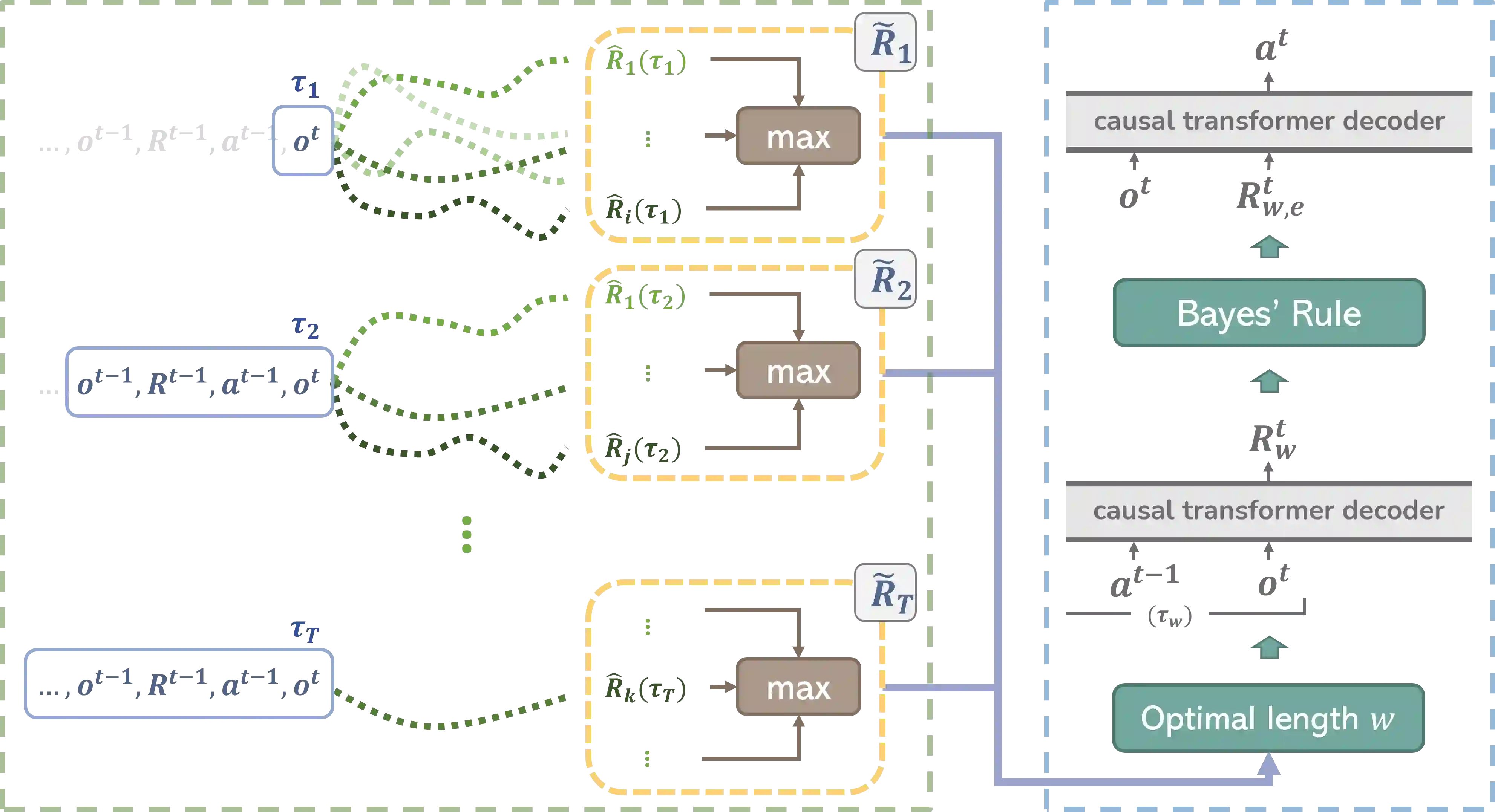
This paper introduces Elastic Decision Transformer (EDT), a significant advancement over the existing Decision Transformer (DT) and its variants. Although DT purports to generate an optimal trajectory, empirical evidence suggests it struggles with trajectory stitching, a process involving the generation of an optimal or near-optimal trajectory from the best parts of a set of sub-optimal trajectories. The proposed EDT differentiates itself by facilitating trajectory stitching during action inference at test time, achieved by adjusting the history length maintained in DT. Further, the EDT optimizes the trajectory by retaining a longer history when the previous trajectory is optimal and a shorter one when it is sub-optimal, enabling it to "stitch" with a more optimal trajectory. Extensive experimentation demonstrates EDT's ability to bridge the performance gap between DT-based and Q Learning-based approaches. In particular, the EDT outperforms Q Learning-based methods in a multi-task regime on the D4RL locomotion benchmark and Atari games. Videos are available at: https://kristery.github.io/edt/
翻译:本文介绍弹性决策变换器(Elastic Decision Transformer, EDT),这是对现有决策变换器(Decision Transformer, DT)及其变体的重大改进。尽管DT声称能生成最优轨迹,但经验证据表明它在轨迹拼接方面存在困难——轨迹拼接是指从一组次优轨迹的最佳片段中生成最优或近似最优轨迹的过程。提出的EDT通过在测试时的动作推理阶段调整DT中维护的历史长度来促进轨迹拼接,从而实现了差异化。此外,EDT通过在前一轨迹最优时保留较长历史、次优时保留较短历史来优化轨迹,使其能够与更优轨迹进行"拼接"。大量实验证明,EDT能够弥合基于DT的方法与基于Q学习的方法之间的性能差距。特别是在D4RL运动基准测试和Atari游戏的多任务场景中,EDT的性能优于基于Q学习的方法。视频演示请参见:https://kristery.github.io/edt/




相关内容



 微信扫码咨询专知VIP会员