

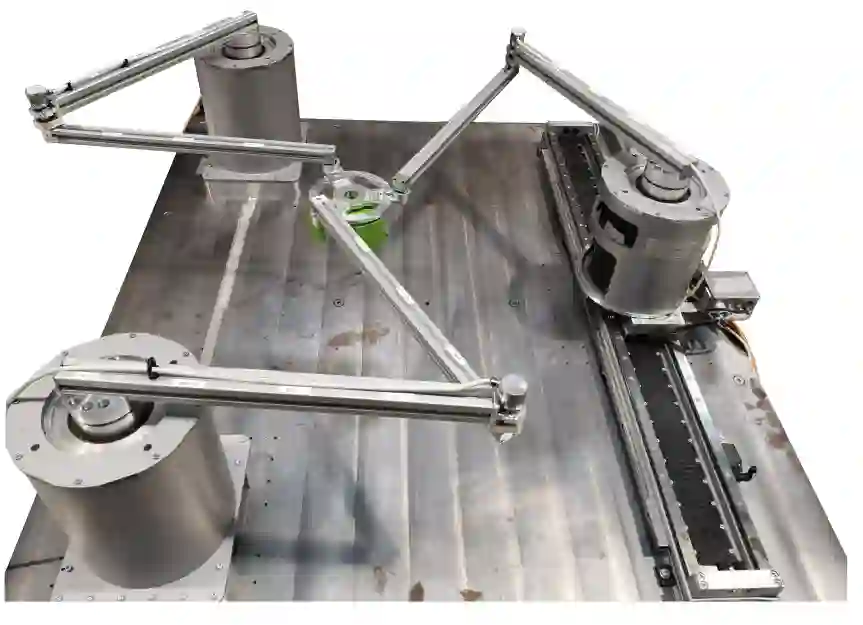
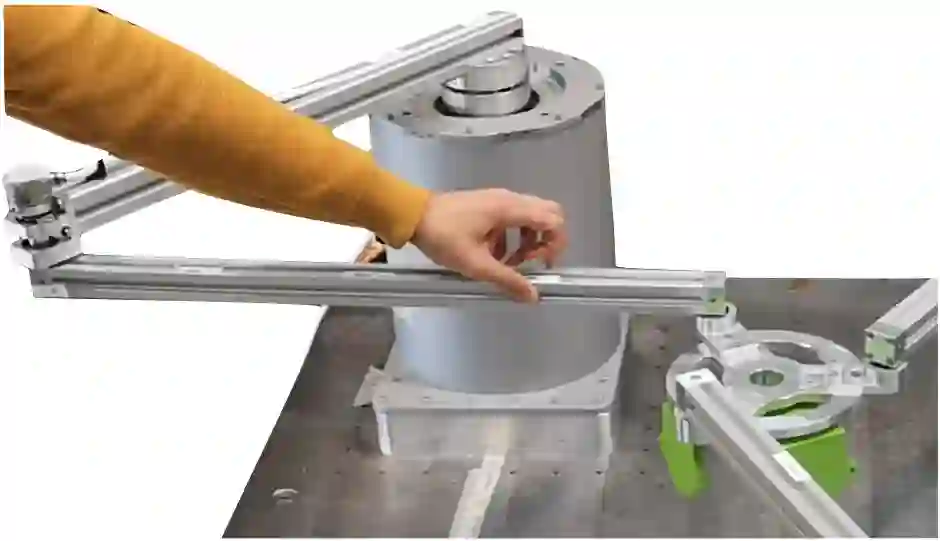
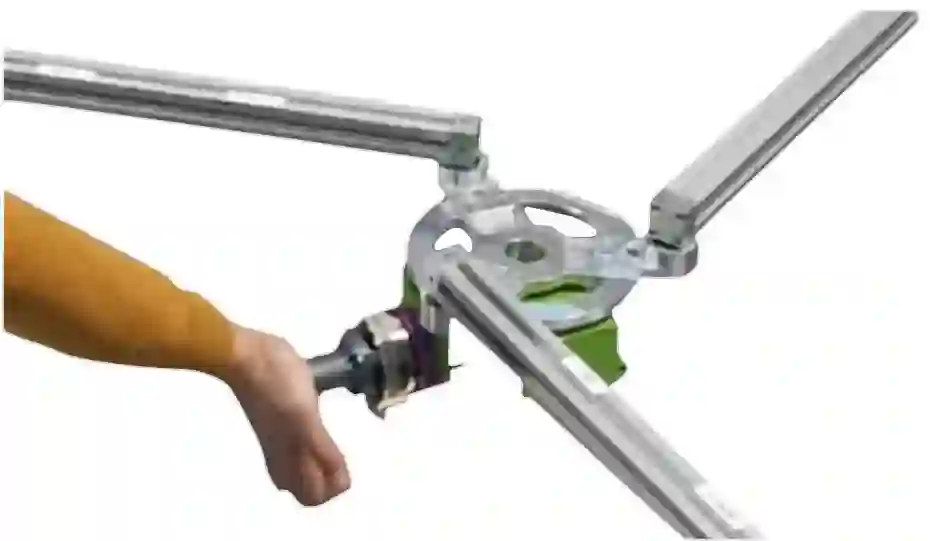
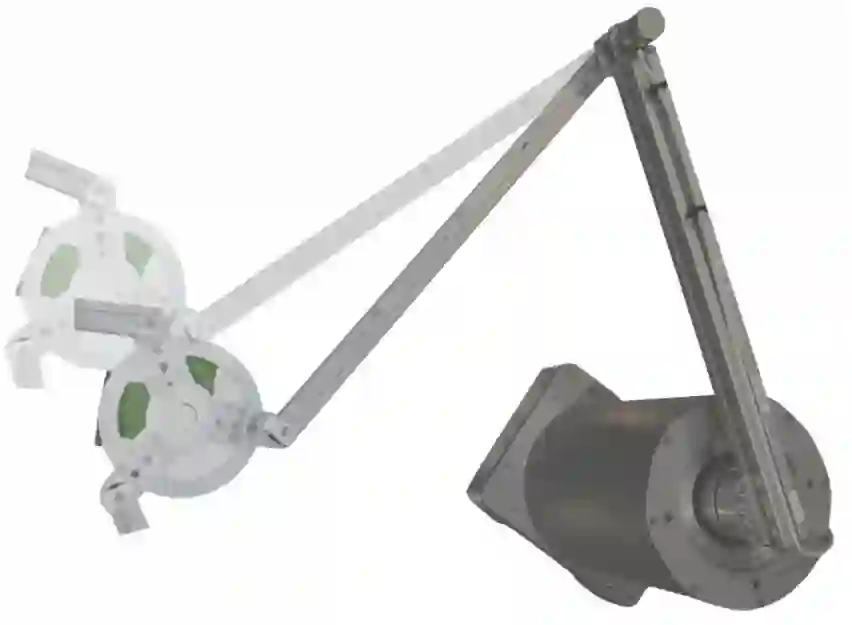
In human-robot collaboration, unintentional physical contacts occur in the form of collisions and clamping, which must be detected and classified separately for a reaction. If certain collision or clamping situations are misclassified, reactions might occur that make the true contact case more dangerous. This work analyzes data-driven modeling based on physically modeled features like estimated external forces for clamping and collision classification with a real parallel robot. The prediction reliability of a feedforward neural network is investigated. Quantification of the classification uncertainty enables the distinction between safe versus unreliable classifications and optimal reactions like a retraction movement for collisions, structure opening for the clamping joint, and a fallback reaction in the form of a zero-g mode. This hypothesis is tested with experimental data of clamping and collision cases by analyzing dangerous misclassifications and then reducing them by the proposed uncertainty quantification. Finally, it is investigated how the approach of this work influences correctly classified clamping and collision scenarios.
翻译:在人与机器人协作过程中,无意中发生的物理接触表现为碰撞与夹持两种形式,必须分别对其进行检测与分类以触发相应反应。若某些碰撞或夹持情形被误判,则可能引发使真实接触情况更危险的应对措施。本研究基于物理建模特征(如估算的外部力)分析数据驱动建模方法,利用真实平行机器人实现夹持与碰撞分类。文中探究了前馈神经网络的预测可靠性,通过量化分类不确定性,可区分安全与不可靠的分类结果,并实现最优反应策略——例如针对碰撞的缩回运动、针对夹持关节的结构张开动作,以及作为后备响应的零重力模式。通过分析危险误分类案例并借助所提出的不确定性量化方法降低此类误差,本研究使用夹持与碰撞实验数据验证了这一假设。最后,本文探讨了该方法对正确分类的夹持与碰撞场景的影响。





相关内容





 微信扫码咨询专知VIP会员