

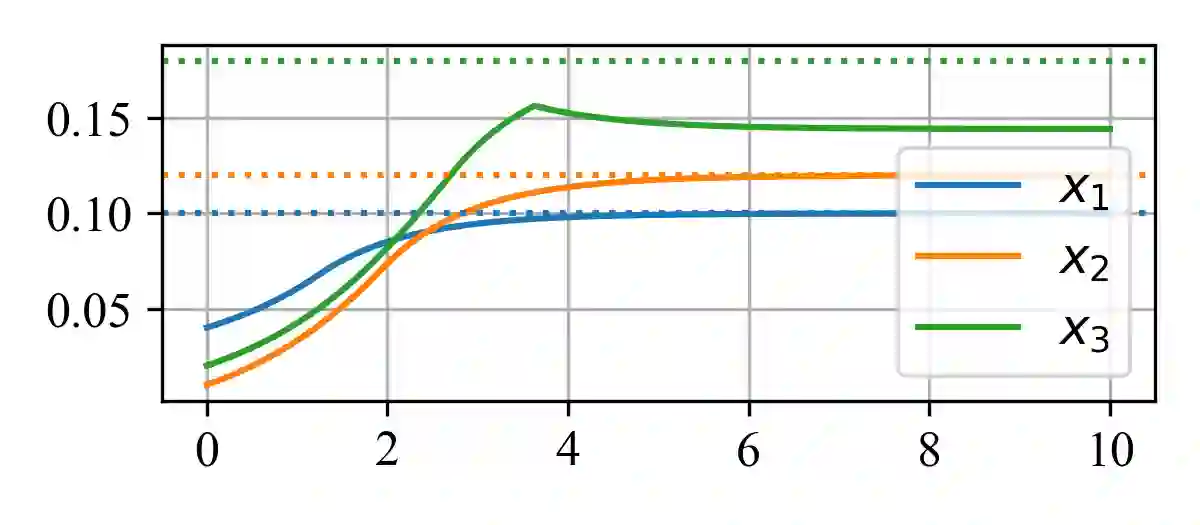
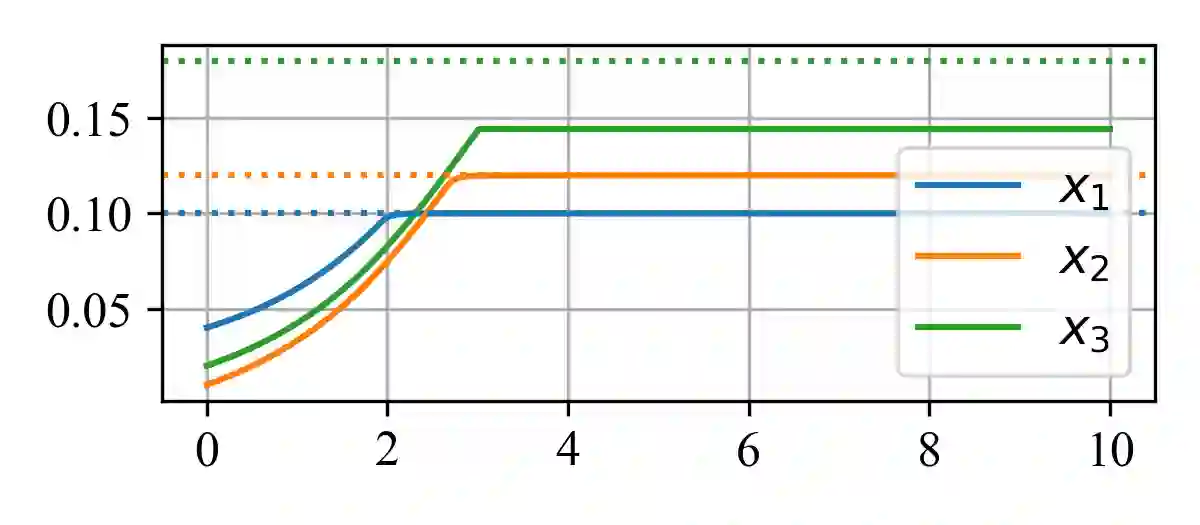
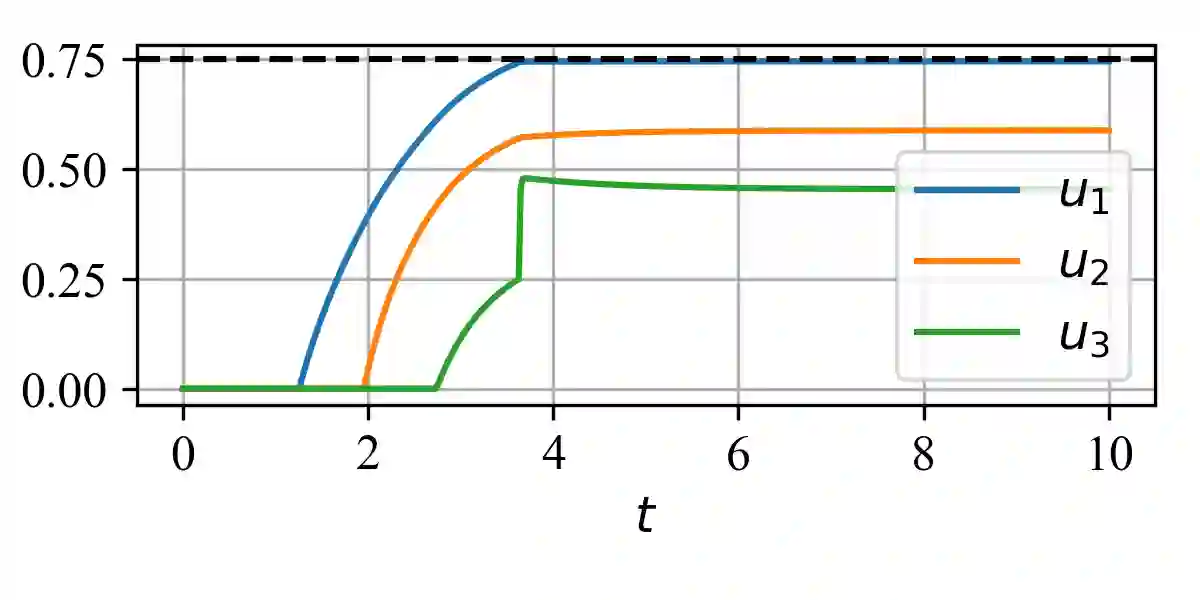
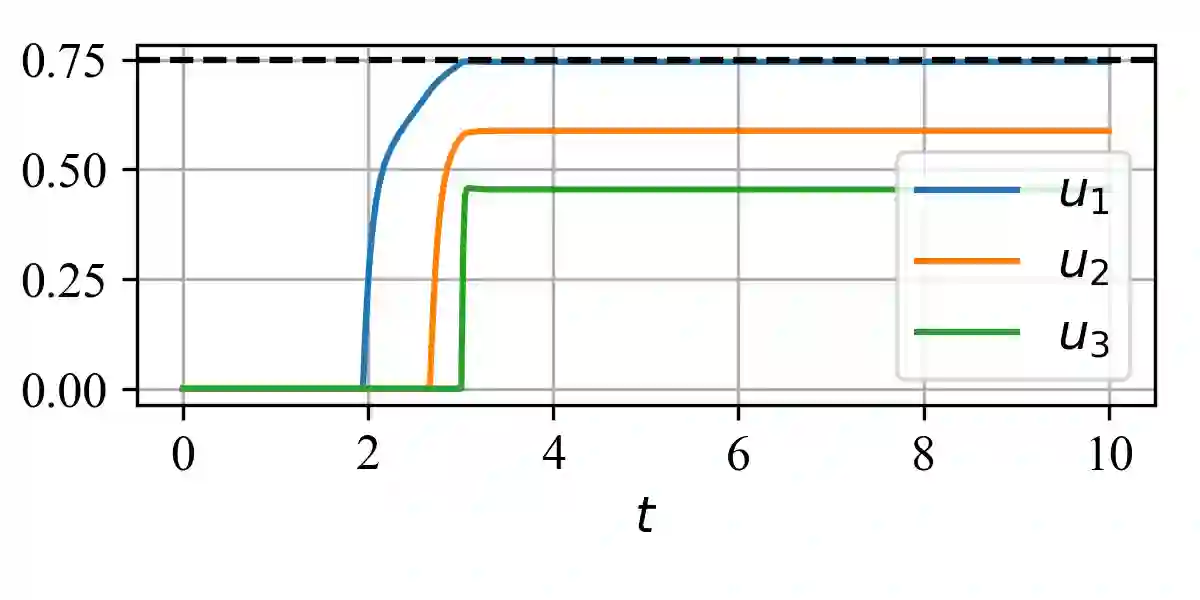
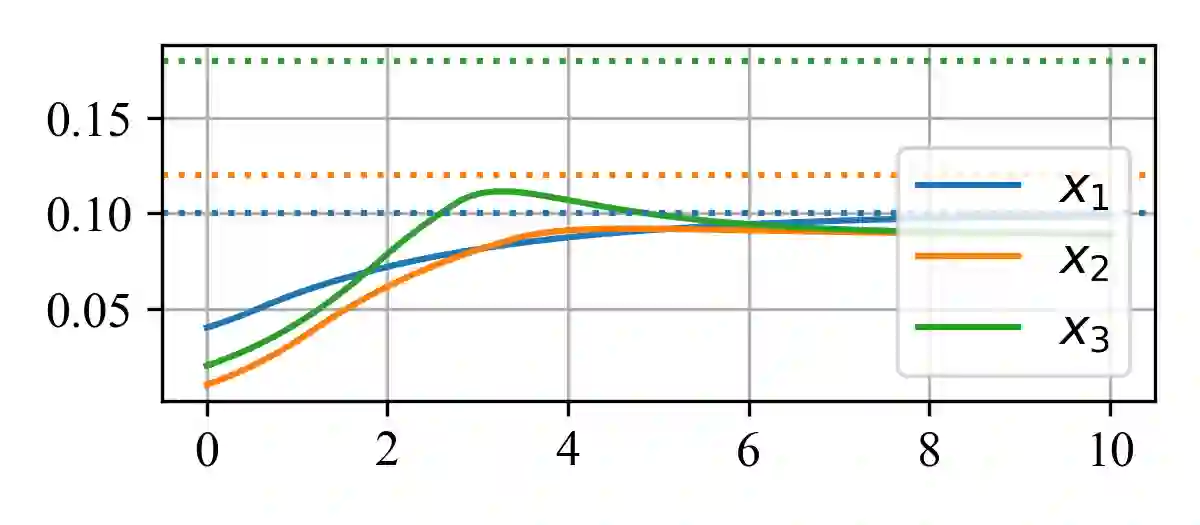
As modern systems become ever more connected with complex dynamic coupling relationships, the development of safe control methods for such networked systems becomes paramount. In this paper, we define a general networked model with coupled dynamics and local control and discuss the relationship of node-level safety definitions for individual agents with local neighborhood dynamics. We define a node-level barrier function (NBF), node-level control barrier function (NCBF), and collaborative node-level barrier function (cNCBF) and provide conditions under which sets defined by these functions will be forward invariant. We use collaborative node-level barrier functions to construct a novel distributed algorithm for the safe control of collaborating network agents and provide conditions under which the algorithm is guaranteed to converge to a viable set of safe control actions for all agents or a terminally infeasible state for at least one agent. We introduce the notion of non-compliance of network neighbors as a metric of robustness for collaborative safety for a given network state and chosen barrier function hyper-parameters. We illustrate these results on a networked susceptible-infected-susceptible (SIS) model.
翻译:随着现代系统日益互联并呈现出复杂的动态耦合关系,为这类网络系统开发安全控制方法变得至关重要。本文定义了一个具有耦合动力学与局部控制的通用网络模型,并探讨了节点级安全性定义(针对单个智能体)与局部邻域动力学之间的关系。我们提出了节点级障碍函数(NBF)、节点级控制障碍函数(NCBF)以及协同节点级障碍函数(cNCBF),并给出了这些函数定义的集合满足前向不变性的条件。通过协同节点级障碍函数,我们构建了一种新颖的分布式算法,用于实现网络协同智能体的安全控制:该算法旨在确保所有智能体收敛至可行的安全控制行动集,或在至少一个智能体面临不可行状态时终止。我们引入网络邻居的“非合规度”作为衡量给定网络状态下协同安全鲁棒性的指标,该指标依赖于所选的障碍函数超参数。最后,我们以网络化易感-感染-易感(SIS)模型为例验证了上述结果。




相关内容



 微信扫码咨询专知VIP会员