

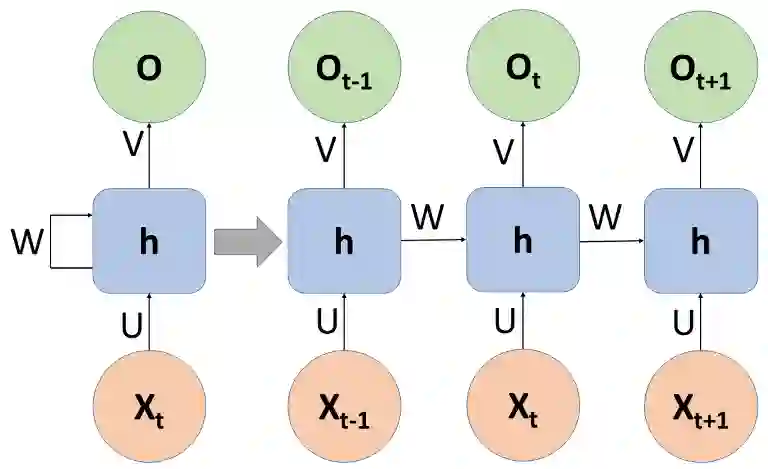
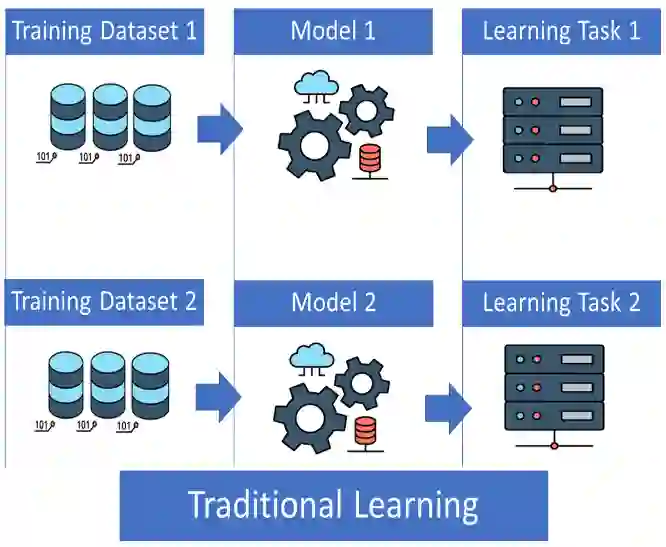
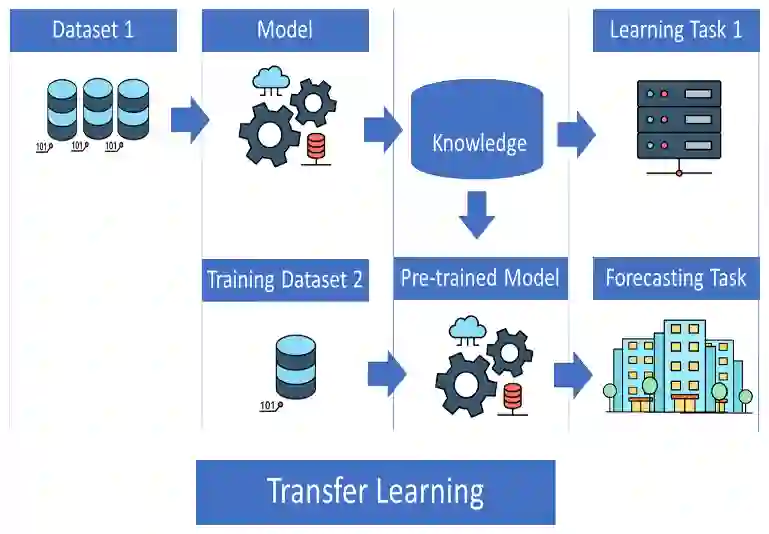
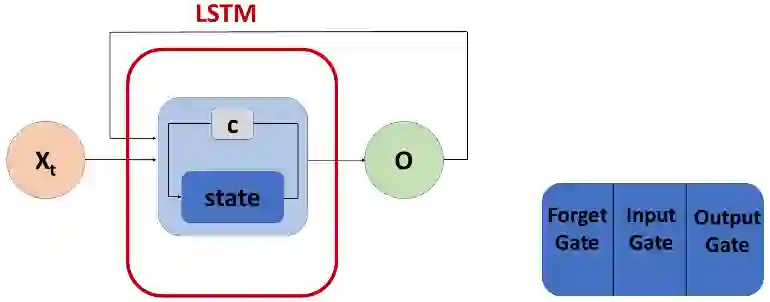
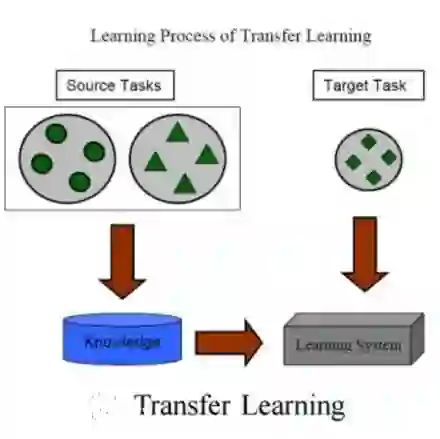
Precise load forecasting in buildings could increase the bill savings potential and facilitate optimized strategies for power generation planning. With the rapid evolution of computer science, data-driven techniques, in particular the Deep Learning models, have become a promising solution for the load forecasting problem. These models have showed accurate forecasting results; however, they need abundance amount of historical data to maintain the performance. Considering the new buildings and buildings with low resolution measuring equipment, it is difficult to get enough historical data from them, leading to poor forecasting performance. In order to adapt Deep Learning models for buildings with limited and scarce data, this paper proposes a Building-to-Building Transfer Learning framework to overcome the problem and enhance the performance of Deep Learning models. The transfer learning approach was applied to a new technique known as Transformer model due to its efficacy in capturing data trends. The performance of the algorithm was tested on a large commercial building with limited data. The result showed that the proposed approach improved the forecasting accuracy by 56.8% compared to the case of conventional deep learning where training from scratch is used. The paper also compared the proposed Transformer model to other sequential deep learning models such as Long-short Term Memory (LSTM) and Recurrent Neural Network (RNN). The accuracy of the transformer model outperformed other models by reducing the root mean square error to 0.009, compared to LSTM with 0.011 and RNN with 0.051.
翻译:建筑负荷的精确预测可提升电费节省潜力,并为发电规划优化策略提供支撑。随着计算机科学的快速发展,数据驱动技术,尤其是深度学习模型,已成为解决负荷预测问题的有效方案。此类模型虽能实现精准预测,但其性能依赖于海量历史数据。针对新建建筑或配备低分辨率测量设备的建筑,难以获取充足历史数据,导致预测效果欠佳。为使深度学习模型适用于数据稀缺的建筑场景,本文提出一种建筑间迁移学习框架,以克服数据不足问题并增强模型性能。该迁移学习方法应用于新型Transformer模型,因其在捕捉数据趋势方面具有高效性。算法性能在数据有限的大型商业建筑中进行了测试。结果表明,相比传统从头训练的深度学习方法,所提方法将预测精度提升了56.8%。本文还将所提Transformer模型与长短期记忆网络(LSTM)及循环神经网络(RNN)等序列深度学习模型进行对比。Transformer模型将均方根误差降至0.009,优于LSTM(0.011)和RNN(0.051),展现了更优的预测精度。





相关内容



 微信扫码咨询专知VIP会员