

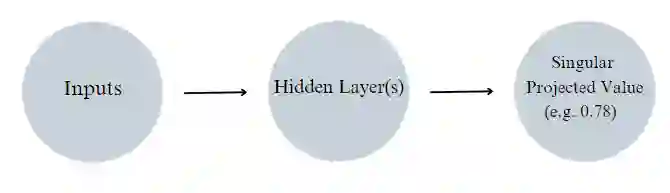
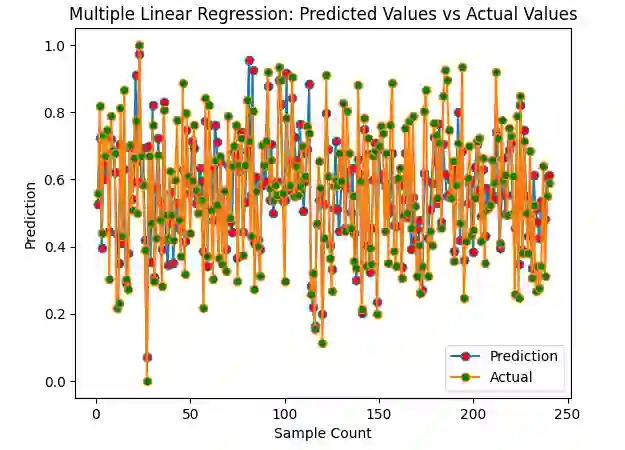
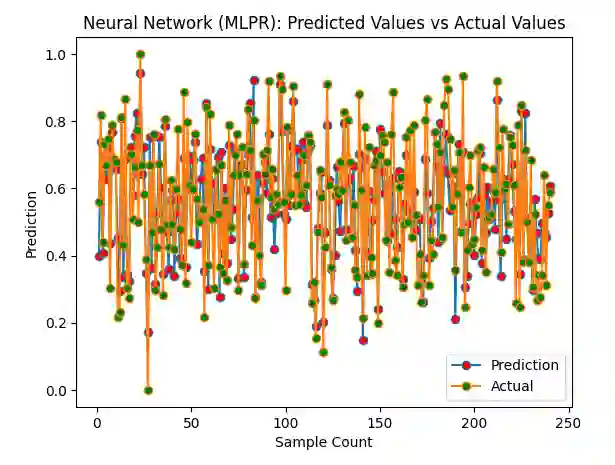
Throughout the analytical revolution that has occurred in the NBA, the development of specific metrics and formulas has given teams, coaches, and players a new way to see the game. However - the question arises - how can we verify any metrics? One method would simply be eyeball approximation (trying out many different gameplans) and/or trial and error - an estimation-based and costly approach. Another approach is to try to model already existing metrics with a unique set of features using machine learning techniques. The key to this approach is that with these features that are selected, we can try to gauge the effectiveness of these features combined, rather than using individual analysis in simple metric evaluation. If we have an accurate model, it can particularly help us determine the specifics of gameplan execution. In this paper, the statistic ORTG (Offensive Rating, developed by Dean Oliver) was found to have a correlation with different NBA playtypes using both a linear regression model and a neural network regression model, although ultimately, a neural network worked slightly better than linear regression. Using the accuracy of the models as a justification, the next step was to optimize the output of the model with test examples, which would demonstrate the combination of features to best achieve a highly functioning offense.
翻译:在美国职业篮球联赛(NBA)发生的分析革命中,特定指标与公式的发展为球队、教练和球员提供了观察比赛的新视角。然而问题随之而来——我们如何验证这些指标?一种方法仅是粗略目测(尝试多种不同战术方案)和/或试错法——这是一种基于估算且成本高昂的方式。另一种方法是利用机器学习技术,用一组独特的特征对现有指标进行建模。这种方法的关键在于,借助所选择的这些特征,我们可以尝试评估这些特征组合的有效性,而非在简单的指标评估中依赖个体分析。如果我们拥有一个精确的模型,它将特别有助于我们确定战术执行的具体细节。本文中,统计指标ORTG(进攻效率值,由迪恩·奥利弗提出)被发现与NBA不同进攻类型存在关联,分别使用了线性回归模型和神经网络回归模型,尽管最终神经网络的表现略优于线性回归。基于模型的准确性论证,下一步是通过测试样例优化模型输出,以展示能够最佳实现高效进攻的特征组合。





相关内容




 微信扫码咨询专知VIP会员