

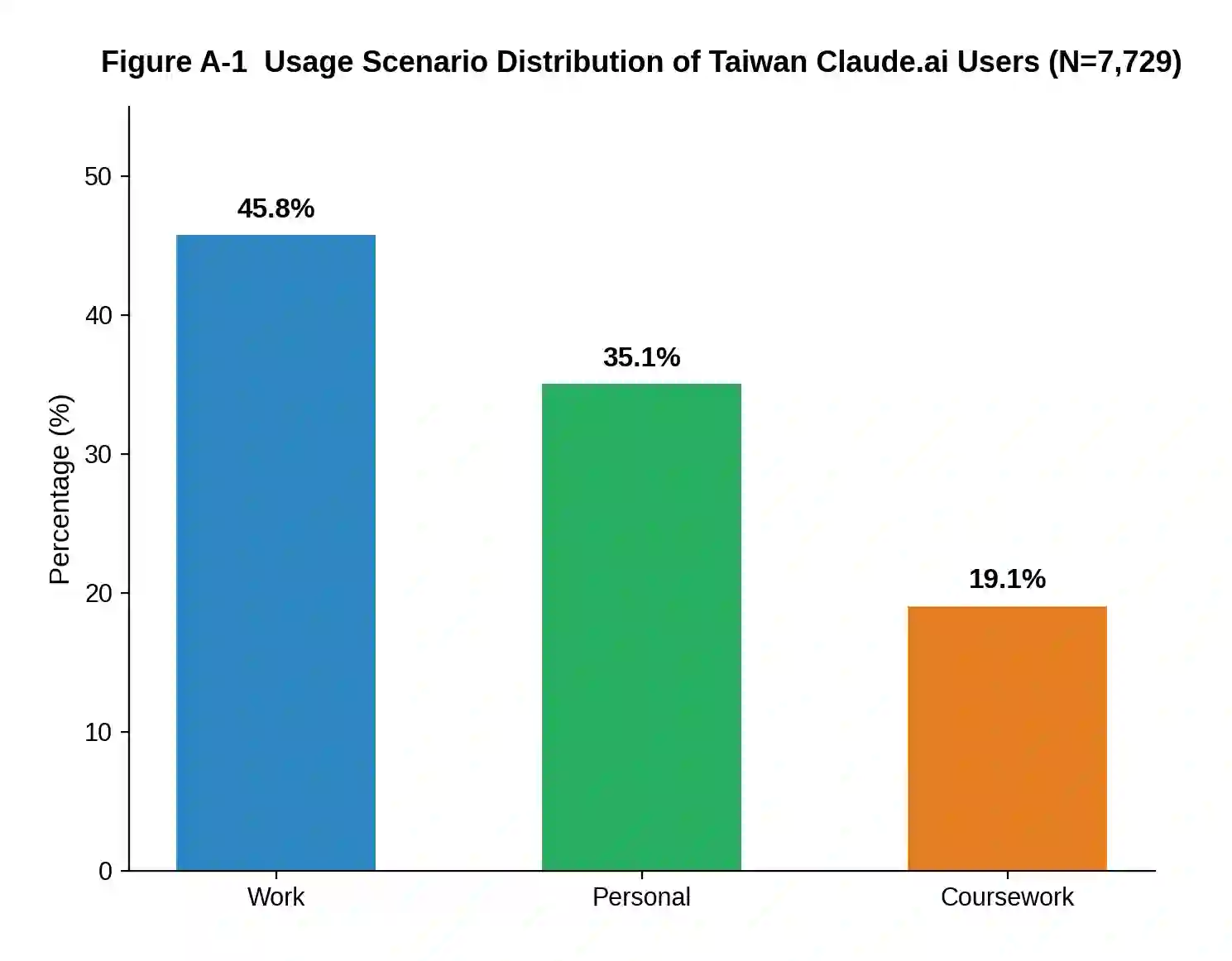
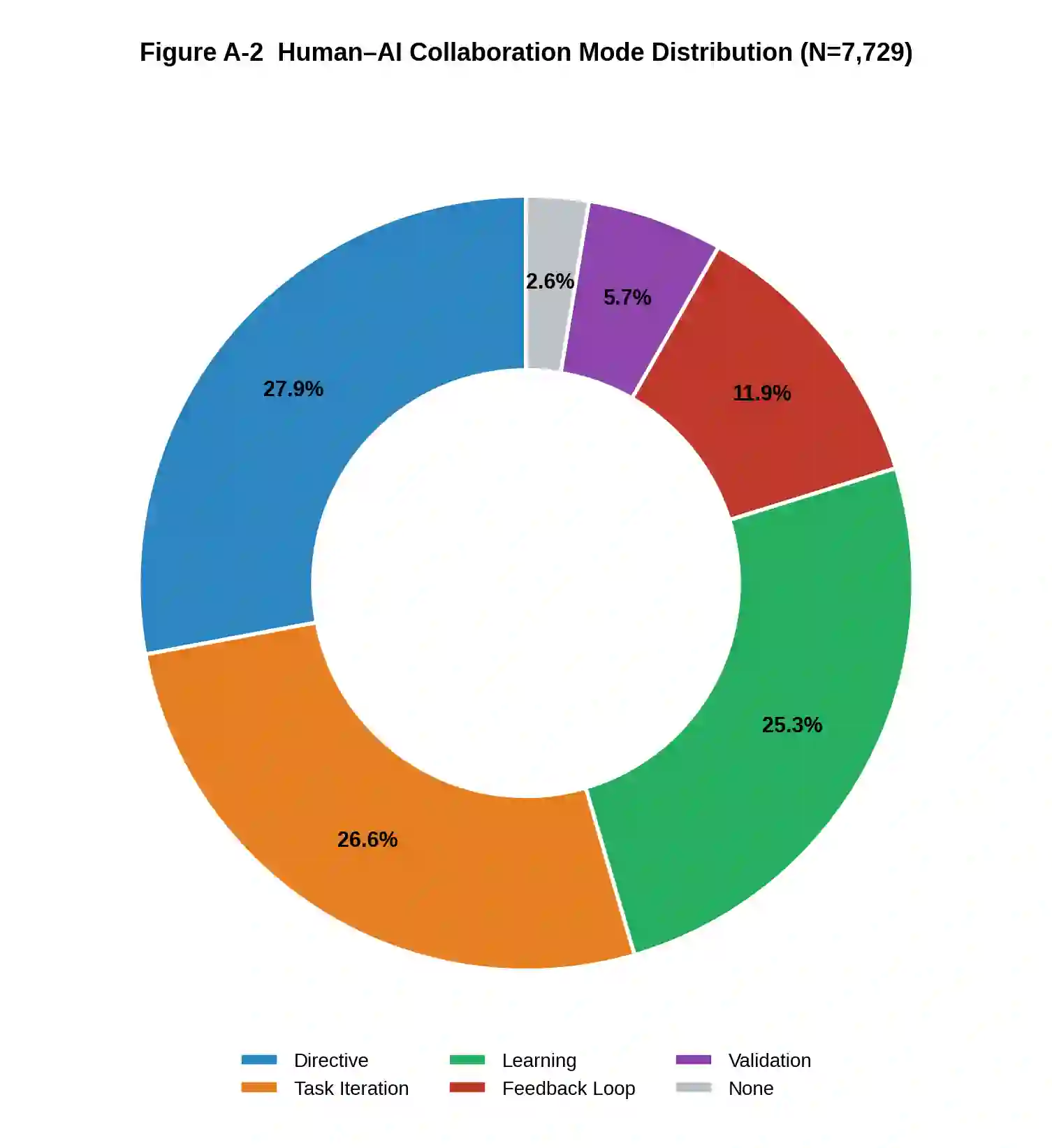
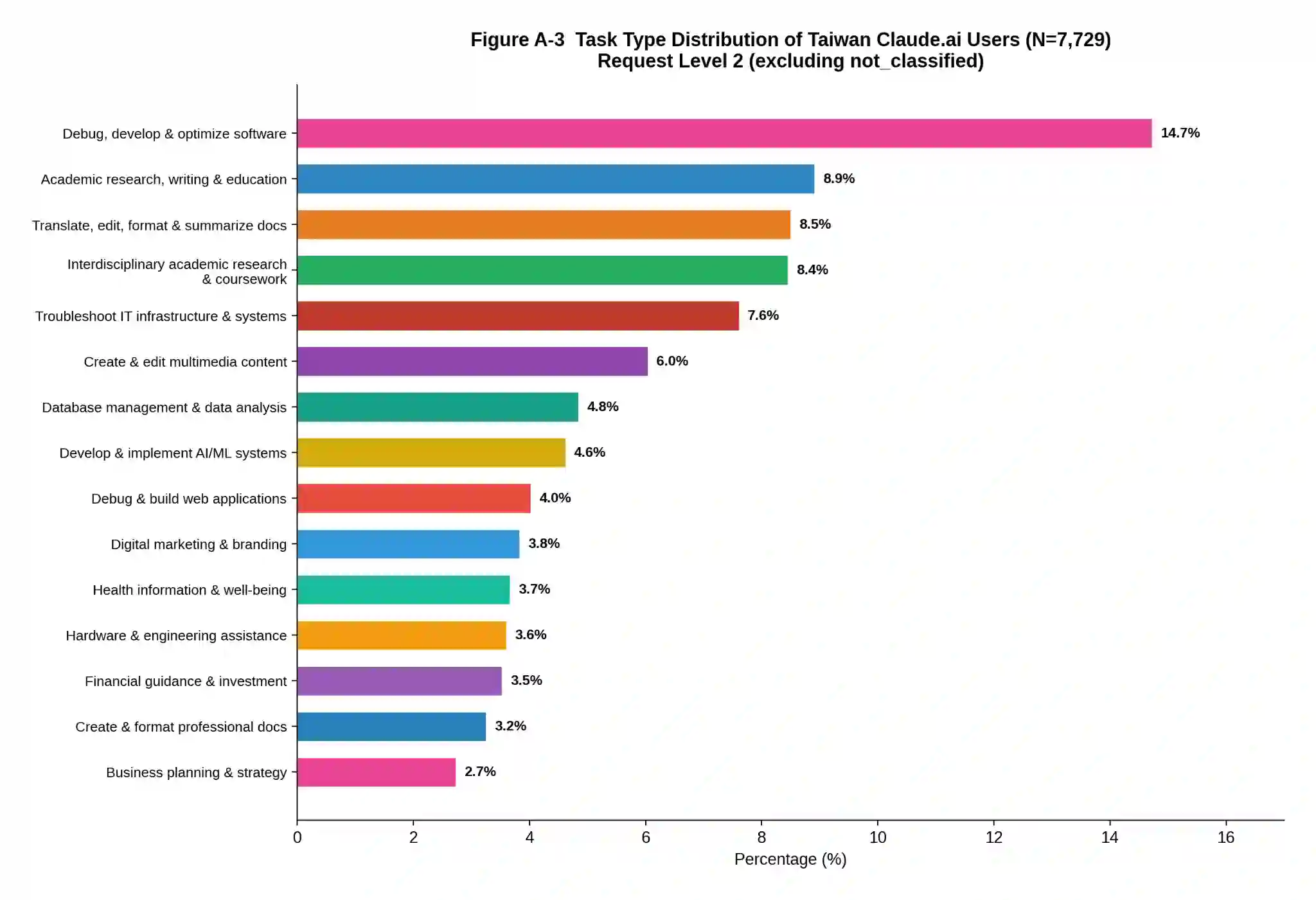
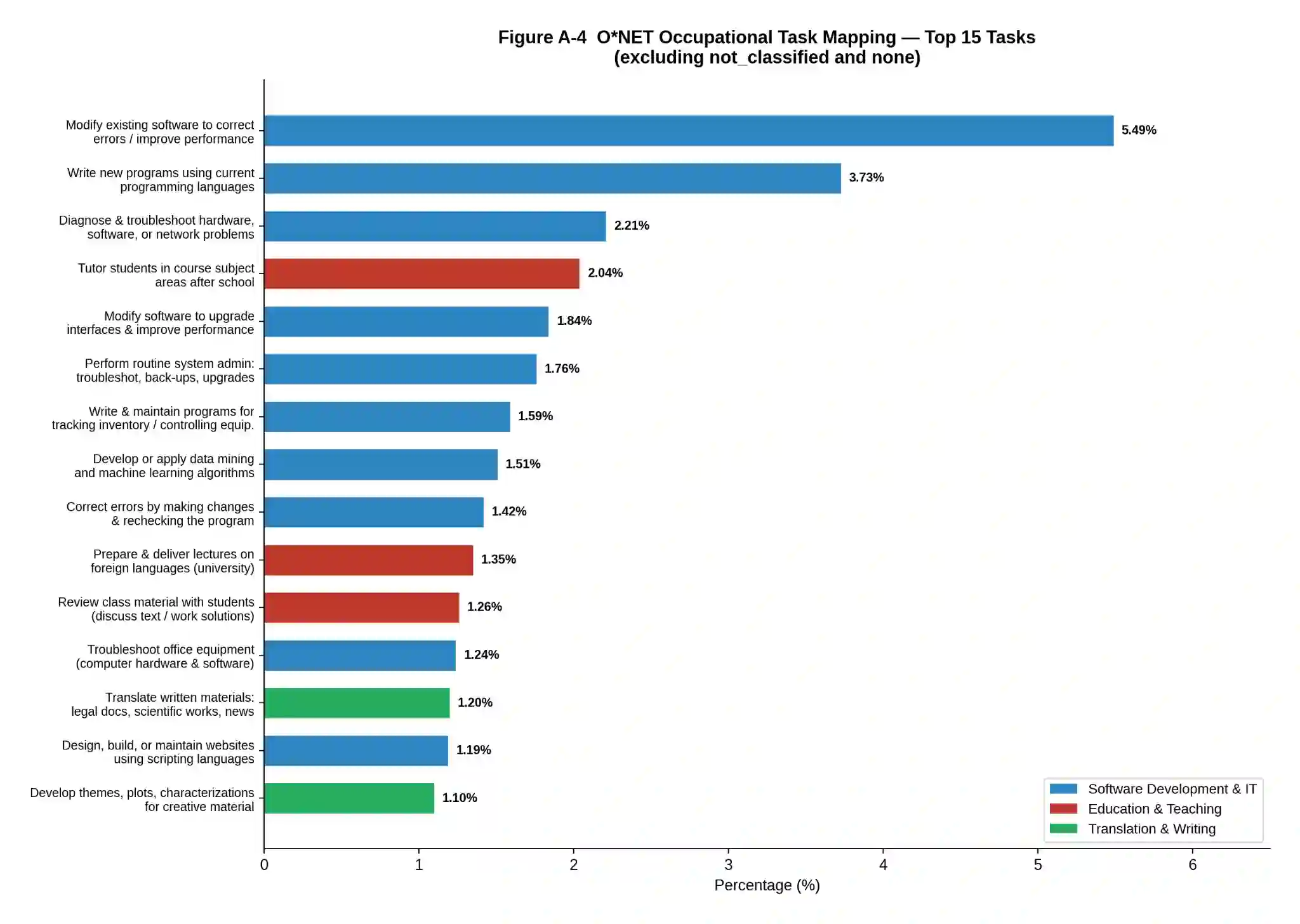
Generative AI is reshaping knowledge work, yet existing research focuses predominantly on software engineering and the natural sciences, with limited methodological exploration for the humanities and social sciences. Positioned as a "methodological experiment," this study proposes an AI Agent-based collaborative research workflow (Agentic Workflow) for humanities and social science research. Taiwan's Claude.ai usage data (N = 7,729 conversations, November 2025) from the Anthropic Economic Index (AEI) serves as the empirical vehicle for validating the feasibility of this methodology. This study operates on two levels: the primary level is the design and validation of a methodological framework - a seven-stage modular workflow grounded in three principles: task modularization, human-AI division of labor, and verifiability, with each stage delineating clear roles for human researchers (research judgment and ethical decisions) and AI Agents (information retrieval and text generation); the secondary level is the empirical analysis of AEI Taiwan data - serving as an operational demonstration of the workflow's application to secondary data research, showcasing both the process and output quality (see Appendix A). This study contributes by proposing a replicable AI collaboration framework for humanities and social science researchers, and identifying three operational modes of human-AI collaboration - direct execution, iterative refinement, and human-led - through reflexive documentation of the operational process. This taxonomy reveals the irreplaceability of human judgment in research question formulation, theoretical interpretation, contextualized reasoning, and ethical reflection. Limitations including single-platform data, cross-sectional design, and AI reliability risks are acknowledged.
翻译:生成式人工智能正在重塑知识工作,但现有研究主要集中于软件工程和自然科学领域,针对人文社会科学的方法论探索有限。本研究定位为一项“方法论实验”,提出了一种面向人文社会科学研究的基于AI智能体的协作研究工作流(Agentic Workflow)。研究以Anthropic经济指数(AEI)中台湾地区的Claude.ai使用数据(N = 7,729次对话,2025年11月)作为实证载体,验证该方法的可行性。本研究在两个层面展开:主要层面是方法论框架的设计与验证——这是一个基于三项原则(任务模块化、人机分工、可验证性)的七阶段模块化工作流,每个阶段明确了人类研究者(研究判断与伦理决策)和AI智能体(信息检索与文本生成)的清晰角色;次要层面是对AEI台湾数据的实证分析——作为该工作流应用于二手数据研究的操作示范,展示了流程与产出质量(见附录A)。本研究的贡献在于:为人文社会科学研究者提出了一个可复现的AI协作框架,并通过操作过程的反思性记录,识别了人机协作的三种操作模式——直接执行、迭代优化和人类主导。此分类揭示了人类判断在研究问题提出、理论阐释、情境化推理及伦理反思方面的不可替代性。研究亦承认了包括单一平台数据、横截面设计及AI可靠性风险在内的局限性。




相关内容



 微信扫码咨询专知VIP会员