

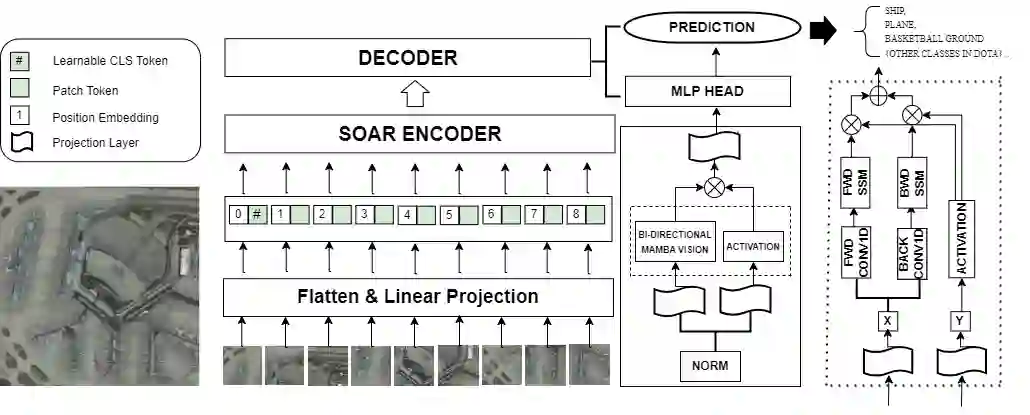
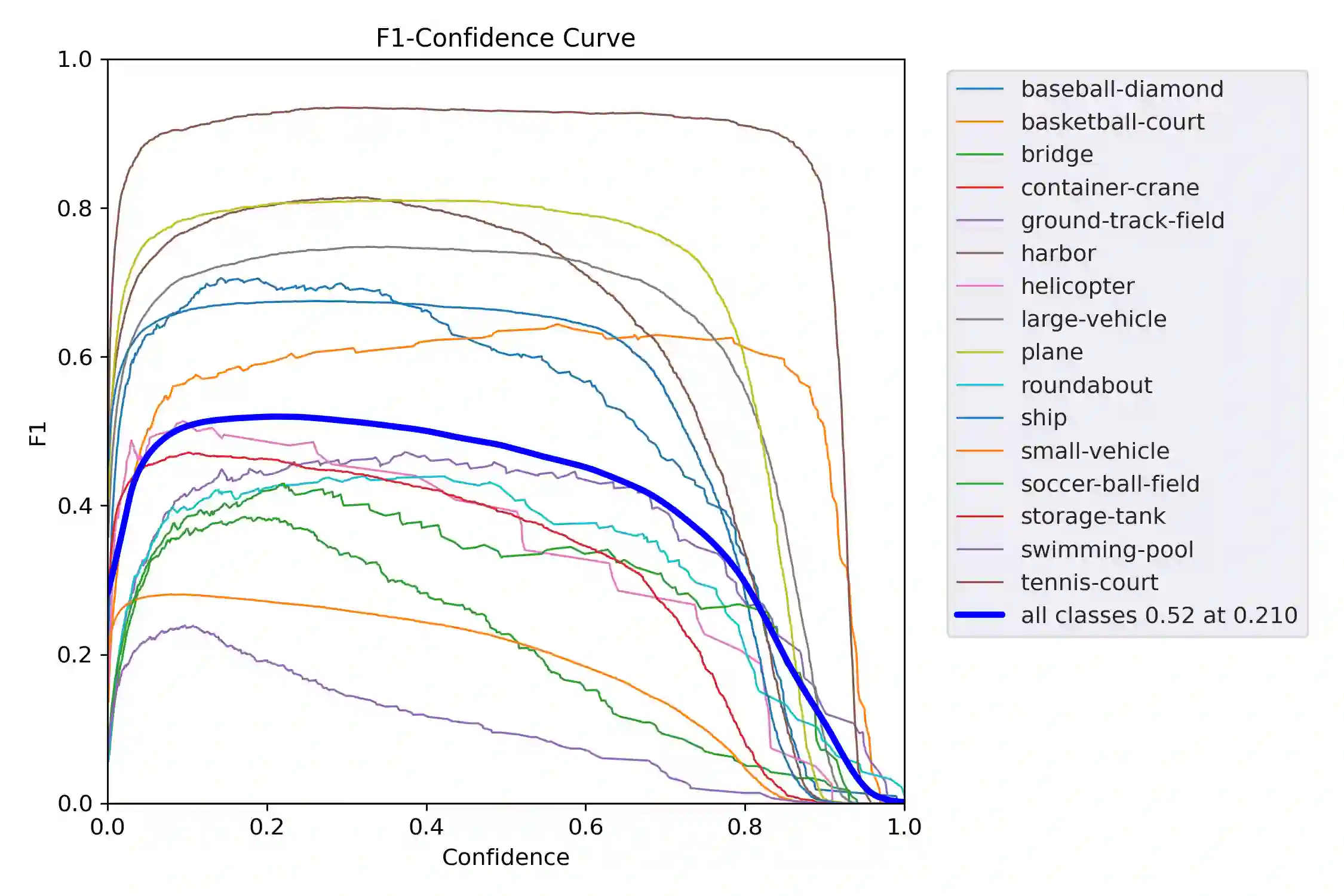
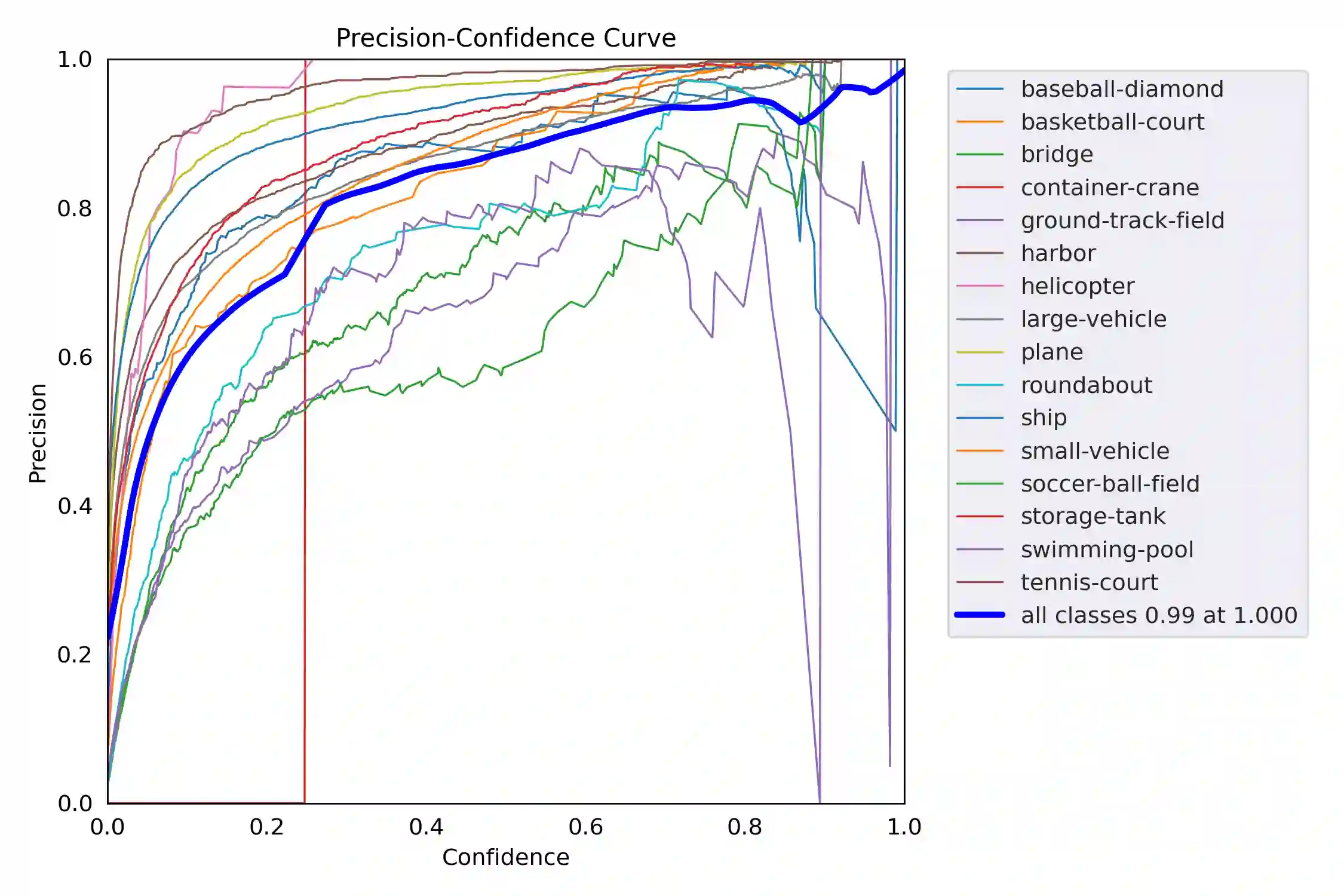
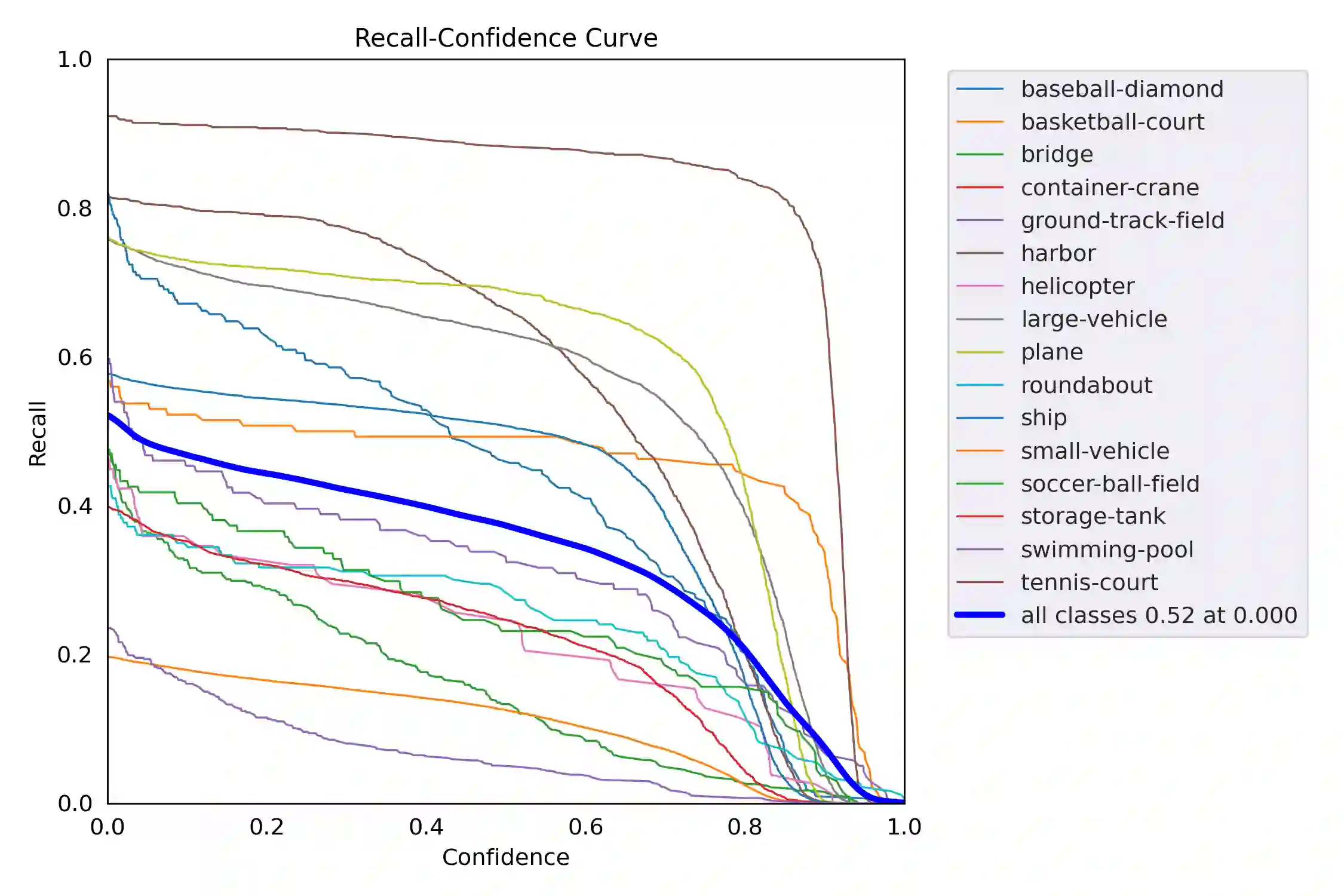
Small object detection in aerial imagery presents significant challenges in computer vision due to the minimal data inherent in small-sized objects and their propensity to be obscured by larger objects and background noise. Traditional methods using transformer-based models often face limitations stemming from the lack of specialized databases, which adversely affect their performance with objects of varying orientations and scales. This underscores the need for more adaptable, lightweight models. In response, this paper introduces two innovative approaches that significantly enhance detection and segmentation capabilities for small aerial objects. Firstly, we explore the use of the SAHI framework on the newly introduced lightweight YOLO v9 architecture, which utilizes Programmable Gradient Information (PGI) to reduce the substantial information loss typically encountered in sequential feature extraction processes. The paper employs the Vision Mamba model, which incorporates position embeddings to facilitate precise location-aware visual understanding, combined with a novel bidirectional State Space Model (SSM) for effective visual context modeling. This State Space Model adeptly harnesses the linear complexity of CNNs and the global receptive field of Transformers, making it particularly effective in remote sensing image classification. Our experimental results demonstrate substantial improvements in detection accuracy and processing efficiency, validating the applicability of these approaches for real-time small object detection across diverse aerial scenarios. This paper also discusses how these methodologies could serve as foundational models for future advancements in aerial object recognition technologies. The source code will be made accessible here.
翻译:航拍图像中的小目标检测因目标尺寸小、易被大目标及背景噪声遮挡,成为计算机视觉领域的重大挑战。传统基于Transformer的模型受限于专用数据库的缺乏,在应对不同朝向和尺度目标时性能欠佳,亟需更灵活轻量的模型。为此,本文提出两种创新方法,显著提升航拍小目标的检测与分割能力。首先,我们在新型轻量级YOLO v9架构上探索SAHI框架的应用——该架构利用可编程梯度信息(PGI)减少序列特征提取中常见的信息损失问题。其次,本文采用融合位置嵌入的Vision Mamba模型实现精准的位置感知视觉理解,并结合新型双向状态空间模型(SSM)进行高效视觉上下文建模。该状态空间模型巧妙融合了CNN的线性复杂度与Transformer的全局感受野优势,在遥感图像分类中表现尤为突出。实验结果表明,该方法在检测精度与处理效率上均有显著提升,验证了其在多样化航拍场景中实现实时小目标检测的适用性。本文同时探讨了这些方法作为航拍目标识别技术未来发展的基础模型的潜力。相关源代码将在此公开。




相关内容




 微信扫码咨询专知VIP会员