

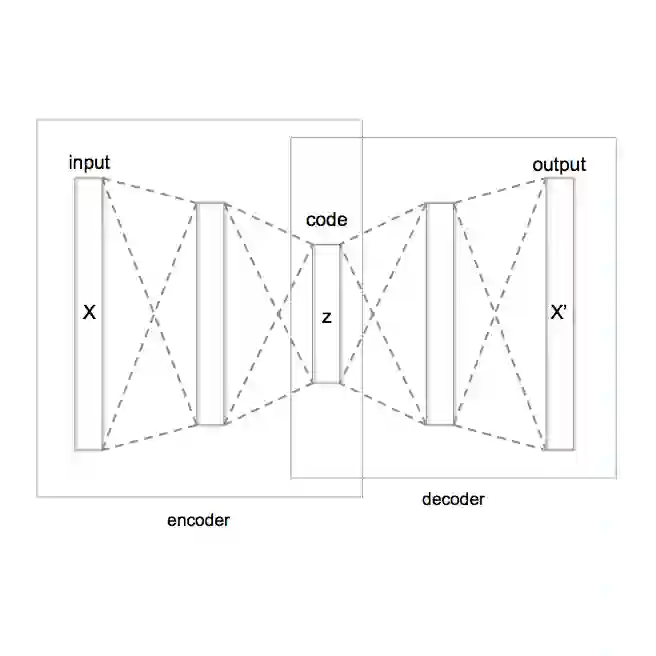
We address the problem of robot guided assembly tasks, by using a learning-based approach to identify contact model parameters for known and novel parts. First, a Variational Autoencoder (VAE) is used to extract geometric features of assembly parts. Then, we combine the extracted features with physical knowledge to derive the parameters of a contact model using our newly proposed neural network structure. The measured force from real experiments is used to supervise the predicted forces, thus avoiding the need for ground truth model parameters. Although trained only on a small set of assembly parts, good contact model estimation for unknown objects were achieved. Our main contribution is the network structure that allows us to estimate contact models of assembly tasks depending on the geometry of the part to be joined. Where current system identification processes have to record new data for a new assembly process, our method only requires the 3D model of the assembly part. We evaluate our method by estimating contact models for robot-guided assembly tasks of pin connectors as well as electronic plugs and compare the results with real experiments.
翻译:我们通过基于学习的方法来识别已知及新型零件的接触模型参数,从而解决机器人引导装配任务的问题。首先,采用变分自编码器(VAE)提取装配零件的几何特征。随后,将提取的特征与物理知识相结合,通过我们新提出的神经网络结构推导接触模型参数。利用真实实验测量的力数据监督预测力值,从而避免对真实模型参数的需求。尽管仅在小规模装配零件集上训练,本方法对未知物体仍实现了良好的接触模型估计。我们的主要贡献在于网络结构设计,该结构能够根据待连接零件的几何特征估计装配任务的接触模型。当前系统辨识方法需要为新装配过程重新采集数据,而我们的方法仅需装配零件的三维模型。我们通过估计针式连接器与电子插头在机器人引导装配任务中的接触模型来评估本方法,并将结果与实际实验进行对比。




相关内容




 微信扫码咨询专知VIP会员