

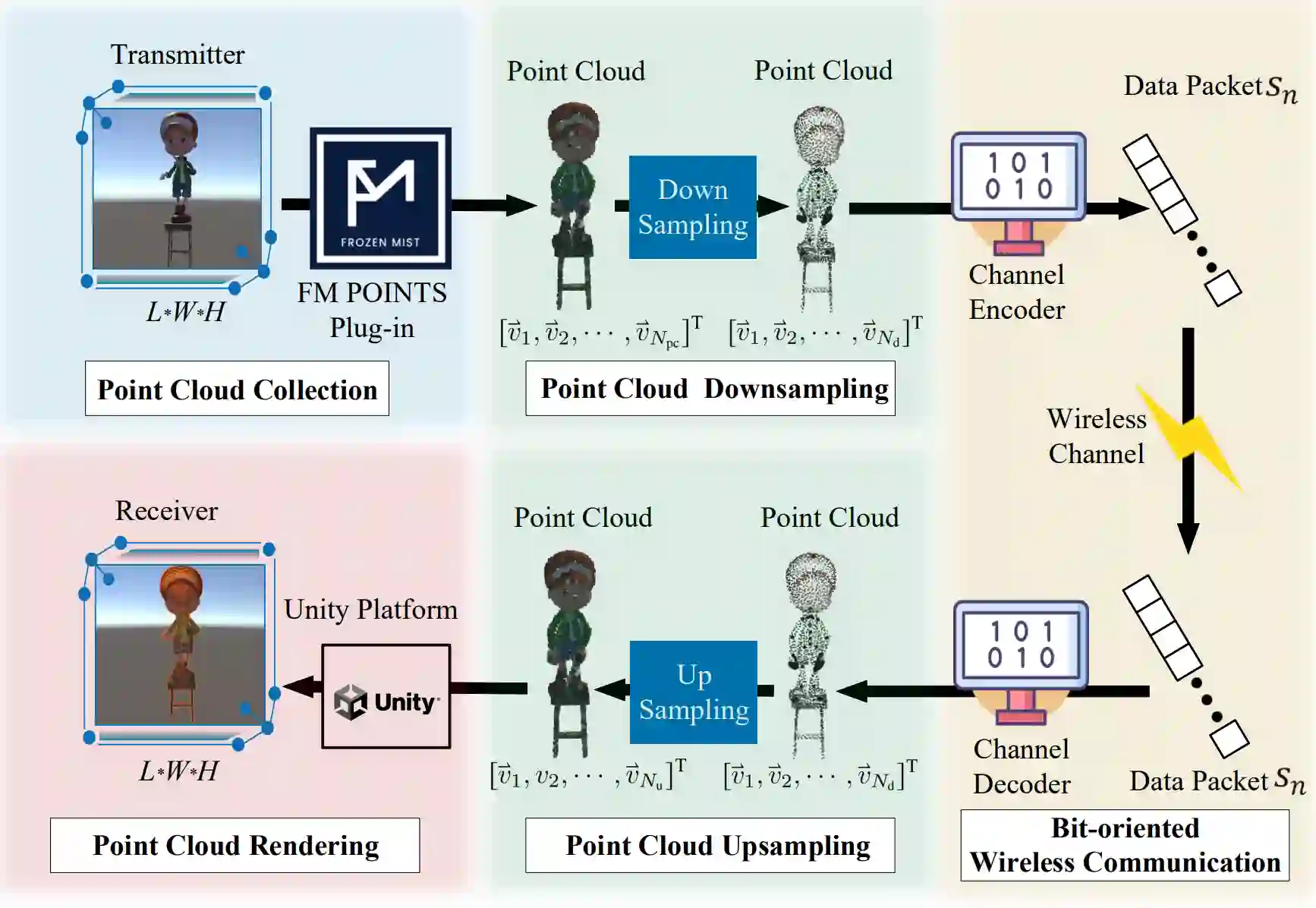
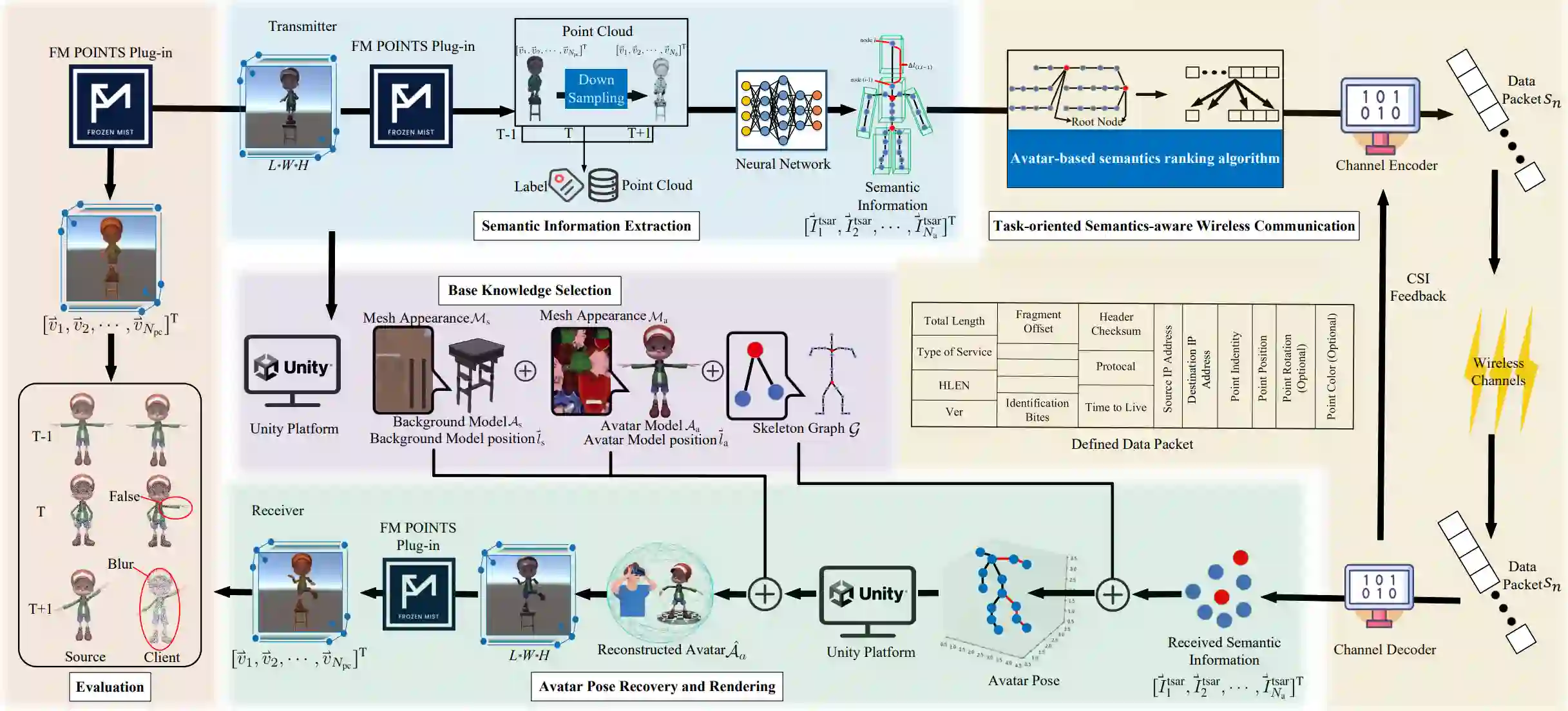
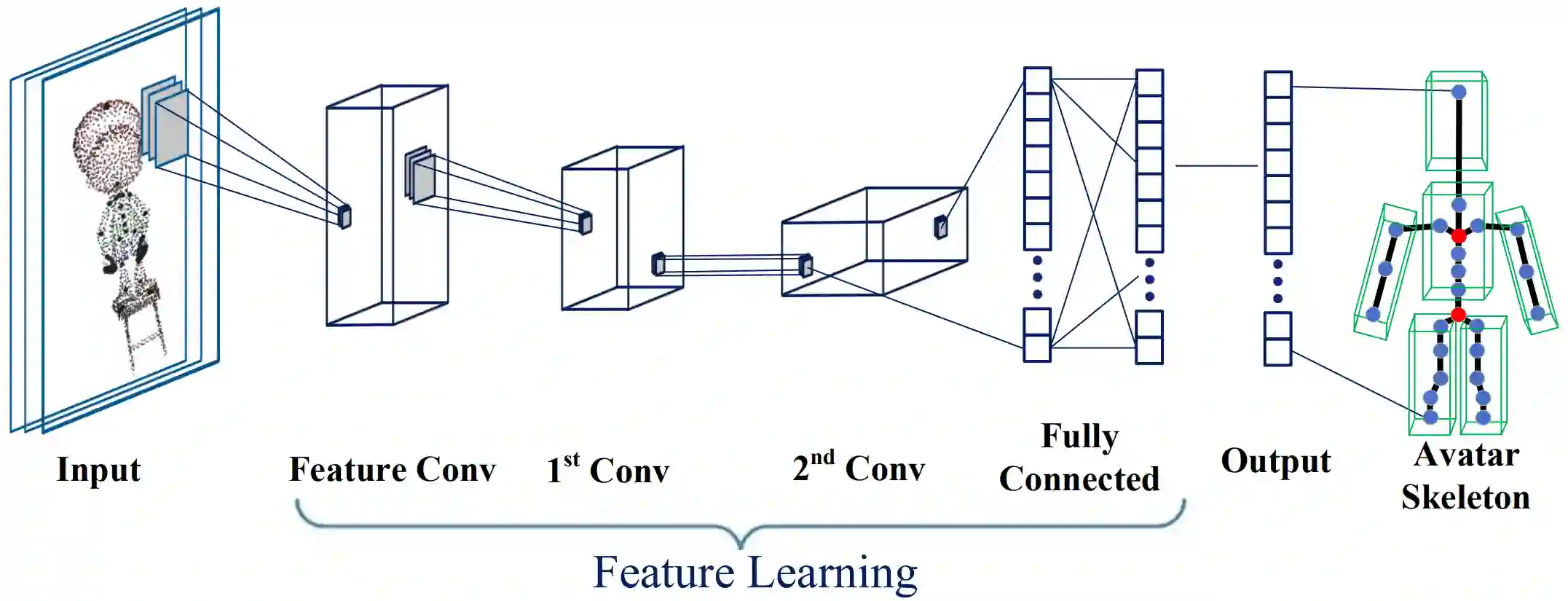
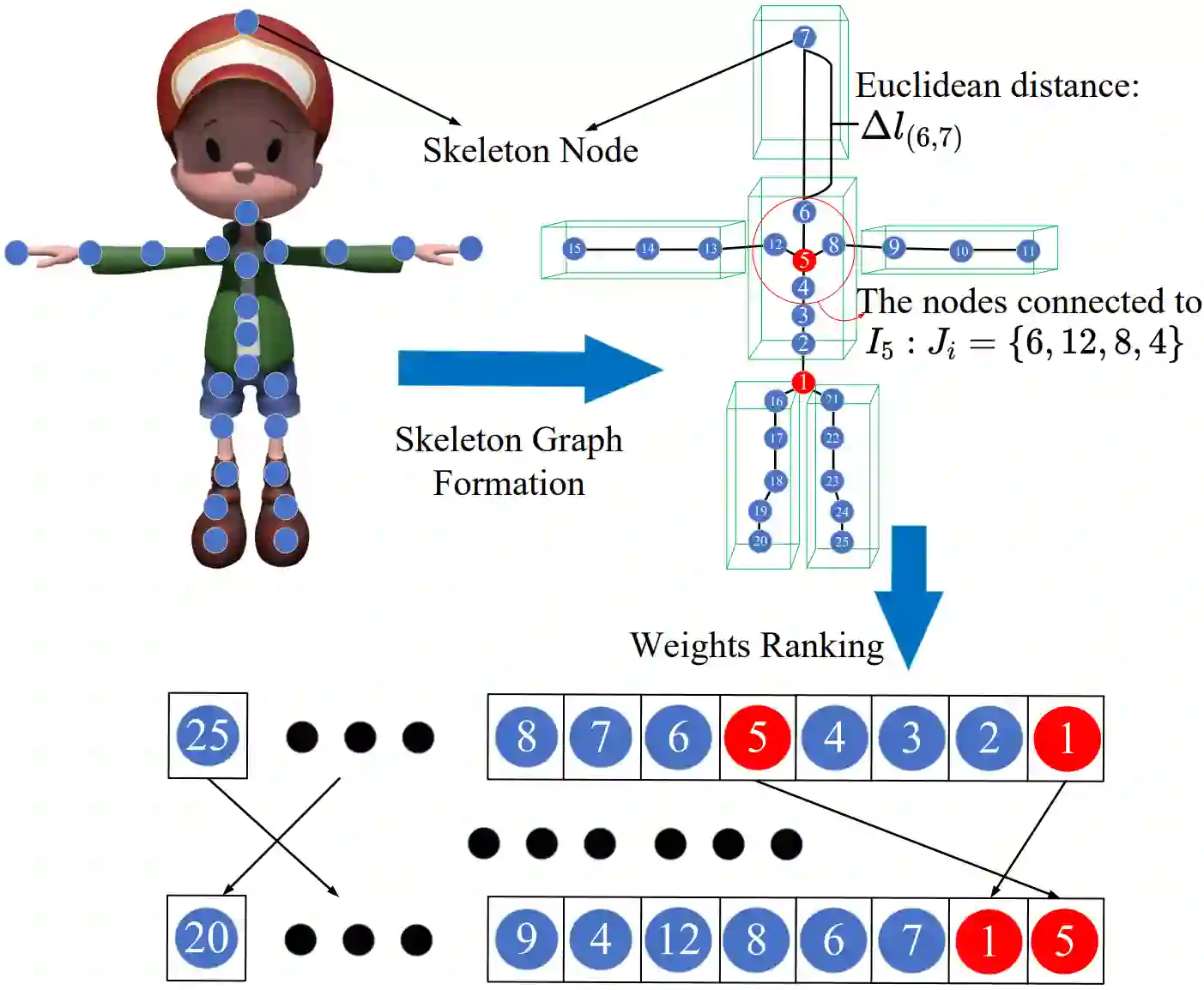
Upon the advent of the emerging metaverse and its related applications in Augmented Reality (AR), the current bit-oriented network struggles to support real-time changes for the vast amount of associated information, hindering its development. Thus, a critical revolution in the Sixth Generation (6G) networks is envisioned through the joint exploitation of information context and its importance to the task, leading to a communication paradigm shift towards semantic and effectiveness levels. However, current research has not yet proposed any explicit and systematic communication framework for AR applications that incorporate these two levels. To fill this research gap, this paper presents a task-oriented and semantics-aware communication framework for augmented reality (TSAR) to enhance communication efficiency and effectiveness in 6G. Specifically, we first analyse the traditional wireless AR point cloud communication framework and then summarize our proposed semantic information along with the end-to-end wireless communication. We then detail the design blocks of the TSAR framework, covering both semantic and effectiveness levels. Finally, numerous experiments have been conducted to demonstrate that, compared to the traditional point cloud communication framework, our proposed TSAR significantly reduces wireless AR application transmission latency by 95.6%, while improving communication effectiveness in geometry and color aspects by up to 82.4% and 20.4%, respectively.
翻译:随着新兴元宇宙及其在增强现实(AR)中相关应用的出现,当前面向比特的网络难以支持海量关联信息的实时变化,阻碍了其发展。因此,通过联合利用信息上下文及其对任务的重要性,第六代(6G)网络有望迎来一场关键变革,推动通信范式向语义层和有效性层转变。然而,当前研究尚未针对融合这两个层次的AR应用提出明确且系统的通信框架。为填补这一研究空白,本文提出一种面向增强现实的任务导向与语义感知通信框架(TSAR),旨在提升6G中的通信效率与有效性。具体而言,我们首先分析传统无线AR点云通信框架,进而总结我们提出的语义信息与端到端无线通信相结合的方法。随后,我们详细阐述TSAR框架的设计模块,涵盖语义层和有效性层。最后,通过大量实验证明,与传统点云通信框架相比,我们提出的TSAR将无线AR应用传输延迟显著降低95.6%,同时在几何和色彩方面的通信有效性分别提升高达82.4%和20.4%。




相关内容





 微信扫码咨询专知VIP会员