

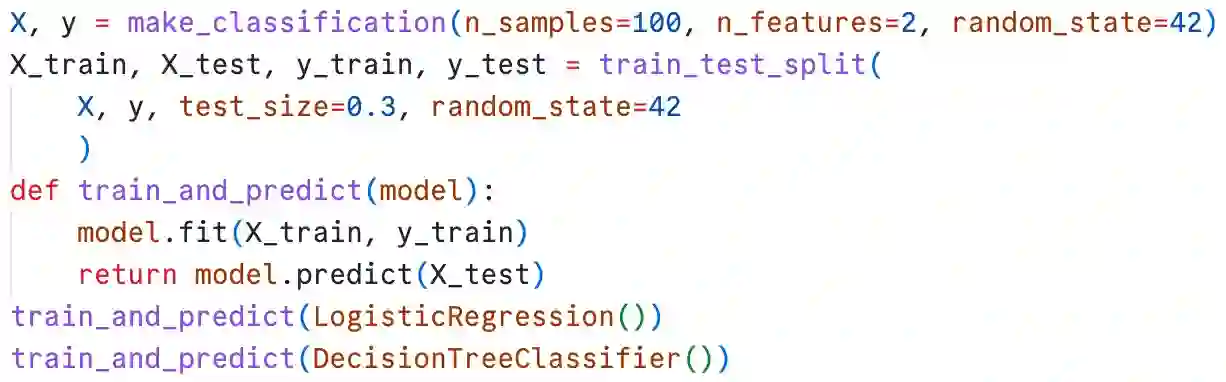
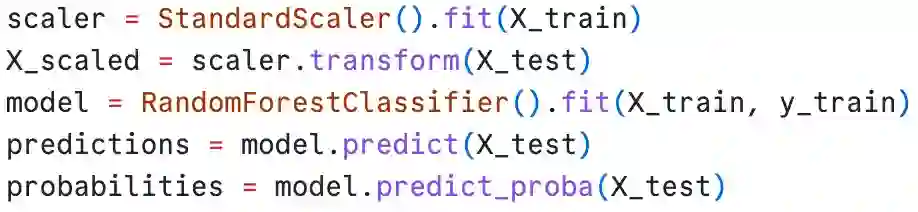
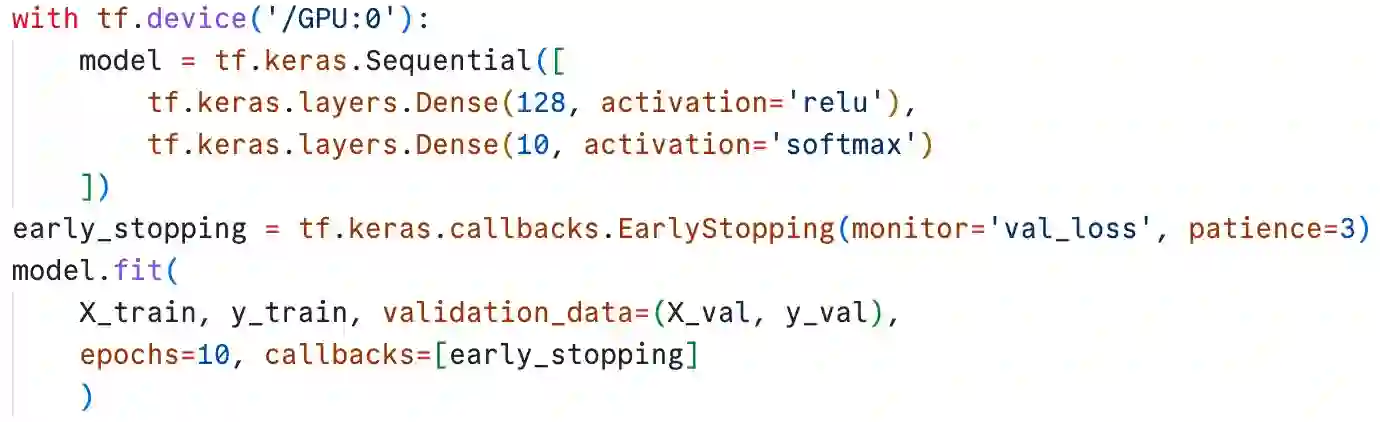
This research evaluates the extent to which modern AI frameworks, specifically TensorFlow and scikit-learn, adhere to the SOLID design principles - Single Responsibility, Open/Closed, Liskov Substitution, Interface Segregation, and Dependency Inversion. Analyzing the frameworks architectural documentation and design philosophies, this research investigates architectural trade-offs when balancing software engineering best practices with AI-specific needs. I examined each frameworks documentation, source code, and architectural components to evaluate their adherence to these principles. The results show that both frameworks adopt certain aspects of SOLID design principles but make intentional trade-offs to address performance, scalability, and the experimental nature of AI development. TensorFlow focuses on performance and scalability, sometimes sacrificing strict adherence to principles like Single Responsibility and Interface Segregation. While scikit-learns design philosophy aligns more closely with SOLID principles through consistent interfaces and composition principles, sticking closer to SOLID guidelines but with occasional deviations for performance optimizations and scalability. This research discovered that applying SOLID principles in AI frameworks depends on context, as performance, scalability, and flexibility often require deviations from traditional software engineering principles. This research contributes to understanding how domain-specific constraints influence architectural decisions in modern AI frameworks and how these frameworks strategically adapted design choices to effectively balance these contradicting requirements.
翻译:本研究评估了现代人工智能框架(特别是TensorFlow和scikit-learn)对SOLID设计原则(单一职责、开闭原则、里氏替换、接口隔离和依赖倒置)的遵循程度。通过分析框架的架构文档和设计理念,本研究探讨了在平衡软件工程最佳实践与AI特定需求时的架构权衡。我检查了每个框架的文档、源代码和架构组件,以评估它们对这些原则的遵循情况。结果表明,两个框架都采用了SOLID设计原则的某些方面,但为了应对性能、可扩展性以及AI开发的实验性质,做出了有意识的权衡。TensorFlow侧重于性能和可扩展性,有时会牺牲对单一职责和接口隔离等原则的严格遵循。而scikit-learn的设计理念通过一致的接口和组合原则更紧密地遵循SOLID原则,更贴近SOLID准则,但偶尔会为了性能优化和可扩展性而有所偏离。本研究发现,在AI框架中应用SOLID原则取决于具体情境,因为性能、可扩展性和灵活性往往需要偏离传统的软件工程原则。本研究有助于理解特定领域的约束如何影响现代AI框架的架构决策,以及这些框架如何战略性地调整设计选择,以有效平衡这些相互矛盾的需求。






相关内容





 微信扫码咨询专知VIP会员