

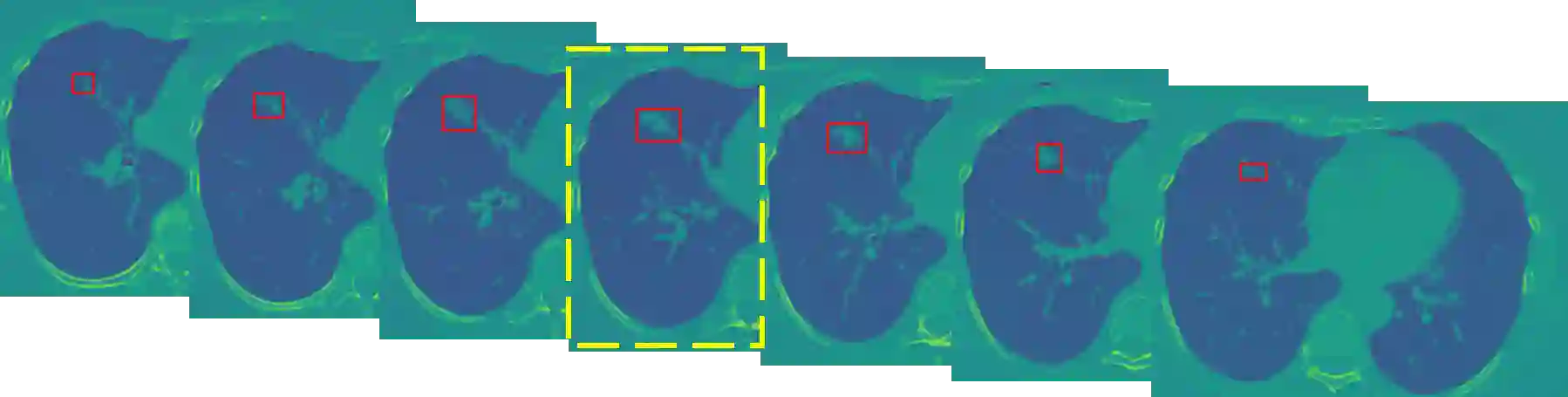
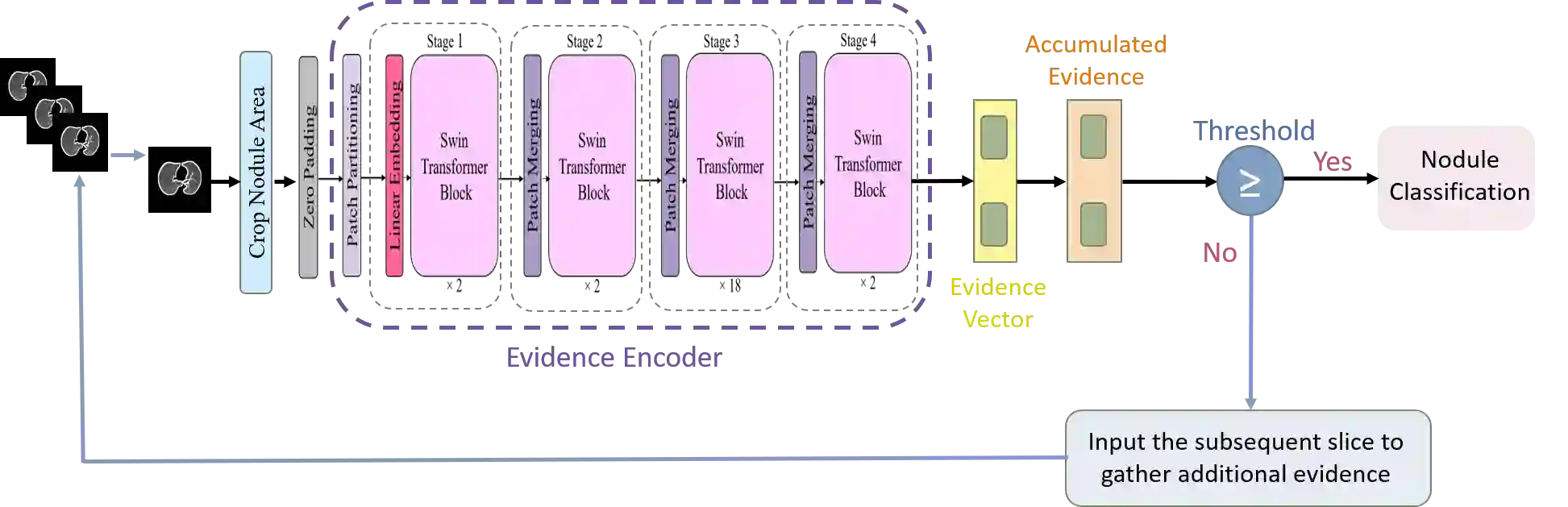
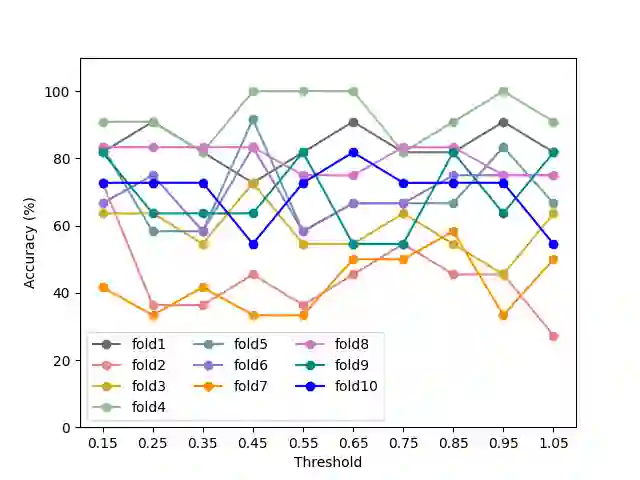
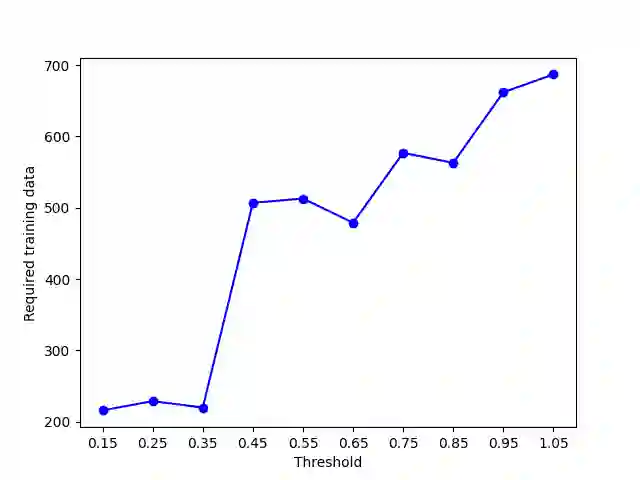
Drawing inspiration from the primate brain's intriguing evidence accumulation process, and guided by models from cognitive psychology and neuroscience, the paper introduces the NYCTALE framework, a neuro-inspired and evidence accumulation-based Transformer architecture. The proposed neuro-inspired NYCTALE offers a novel pathway in the domain of Personalized Medicine (PM) for lung cancer diagnosis. In nature, Nyctales are small owls known for their nocturnal behavior, hunting primarily during the darkness of night. The NYCTALE operates in a similarly vigilant manner, i.e., processing data in an evidence-based fashion and making predictions dynamically/adaptively. Distinct from conventional Computed Tomography (CT)-based Deep Learning (DL) models, the NYCTALE performs predictions only when sufficient amount of evidence is accumulated. In other words, instead of processing all or a pre-defined subset of CT slices, for each person, slices are provided one at a time. The NYCTALE framework then computes an evidence vector associated with contribution of each new CT image. A decision is made once the total accumulated evidence surpasses a specific threshold. Preliminary experimental analyses conducted using a challenging in-house dataset comprising 114 subjects. The results are noteworthy, suggesting that NYCTALE outperforms the benchmark accuracy even with approximately 60% less training data on this demanding and small dataset.
翻译:受灵长类动物大脑中引人入胜的证据积累过程启发,并在认知心理学和神经科学模型的指导下,本文提出了NYCTALE框架——一种神经启发且基于证据积累的Transformer架构。所提出的神经启发式NYCTALE为肺癌诊断的个性化医疗领域开辟了一条新路径。在自然界中,Nyctale是一种小型猫头鹰,以其夜行习性著称,主要在黑夜中捕食。NYCTALE以同样警觉的方式运行,即基于证据处理数据并动态/自适应地进行预测。与传统的基于计算机断层扫描的深度学习模型不同,NYCTALE仅在积累足够证据时才进行预测。换言之,对于每位患者,其不处理所有或预定义的CT切片子集,而是每次仅处理一个切片。随后,NYCTALE框架计算与每个新增CT图像贡献相关的证据向量。一旦总积累证据超过特定阈值,即做出决策。基于包含114个样本的具有挑战性的内部数据集进行的初步实验分析表明,结果值得关注:即使在该苛刻的小规模数据集上训练数据减少约60%,NYCTALE的准确率仍优于基准方法。




相关内容





 微信扫码咨询专知VIP会员