

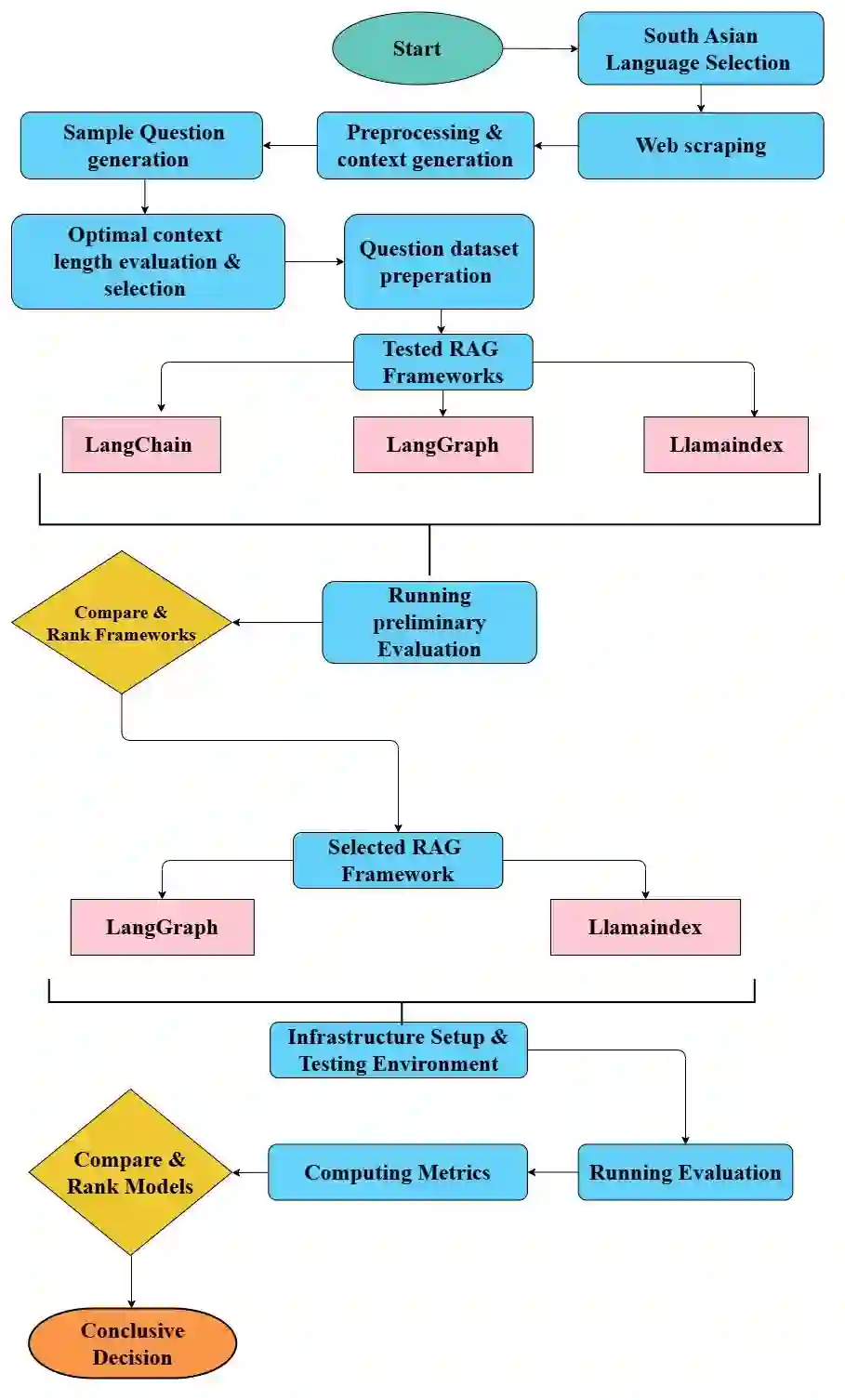
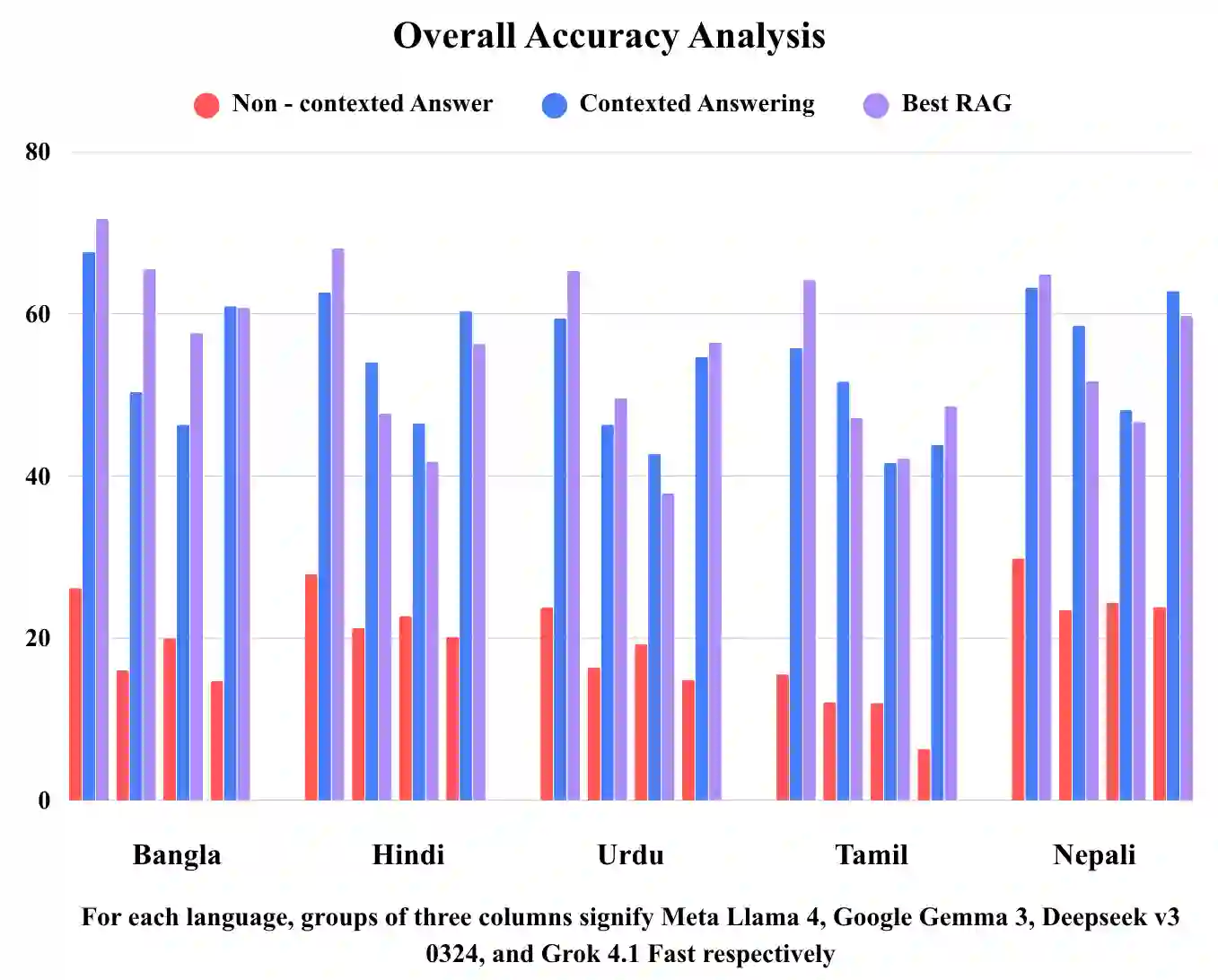
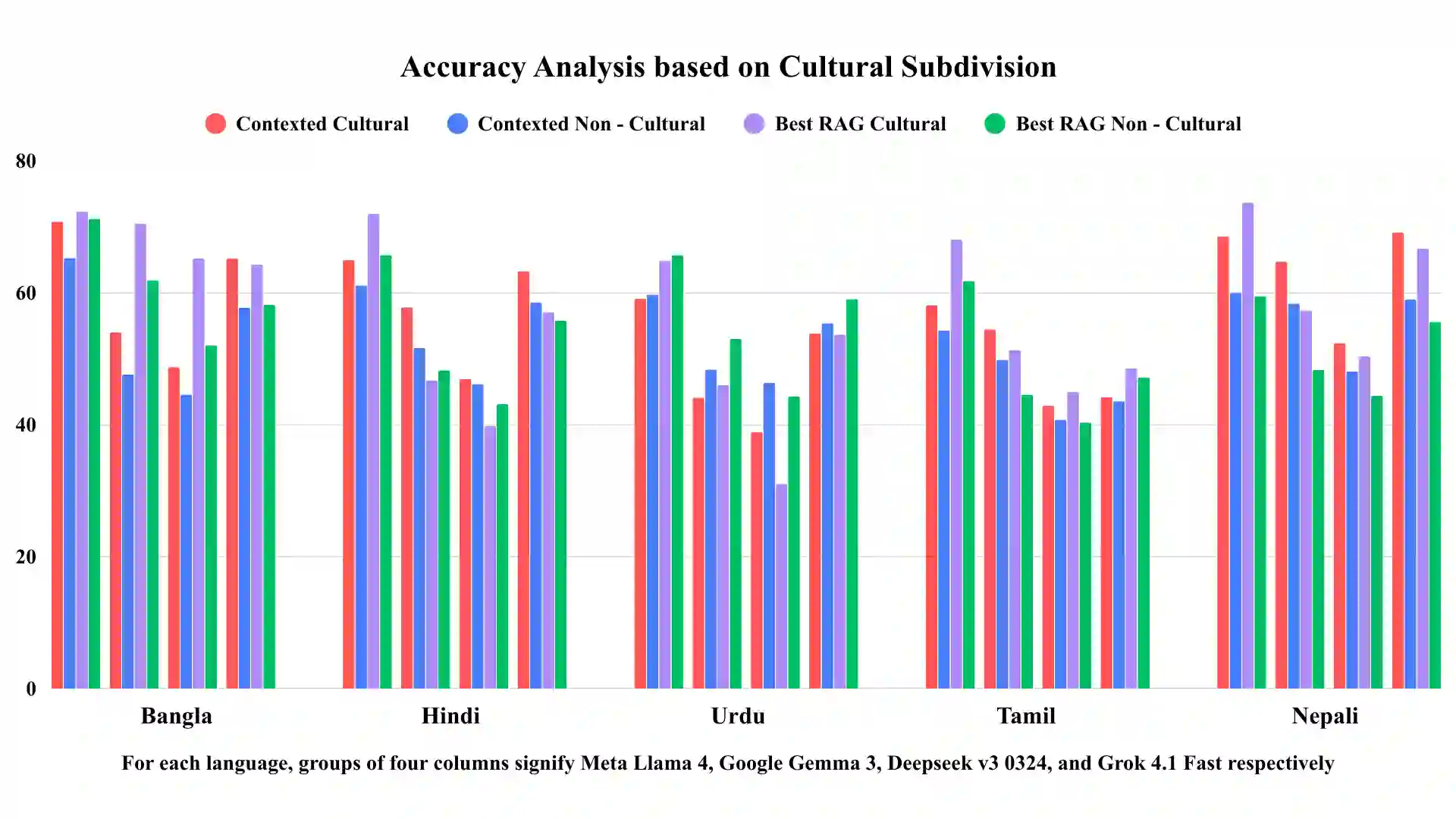
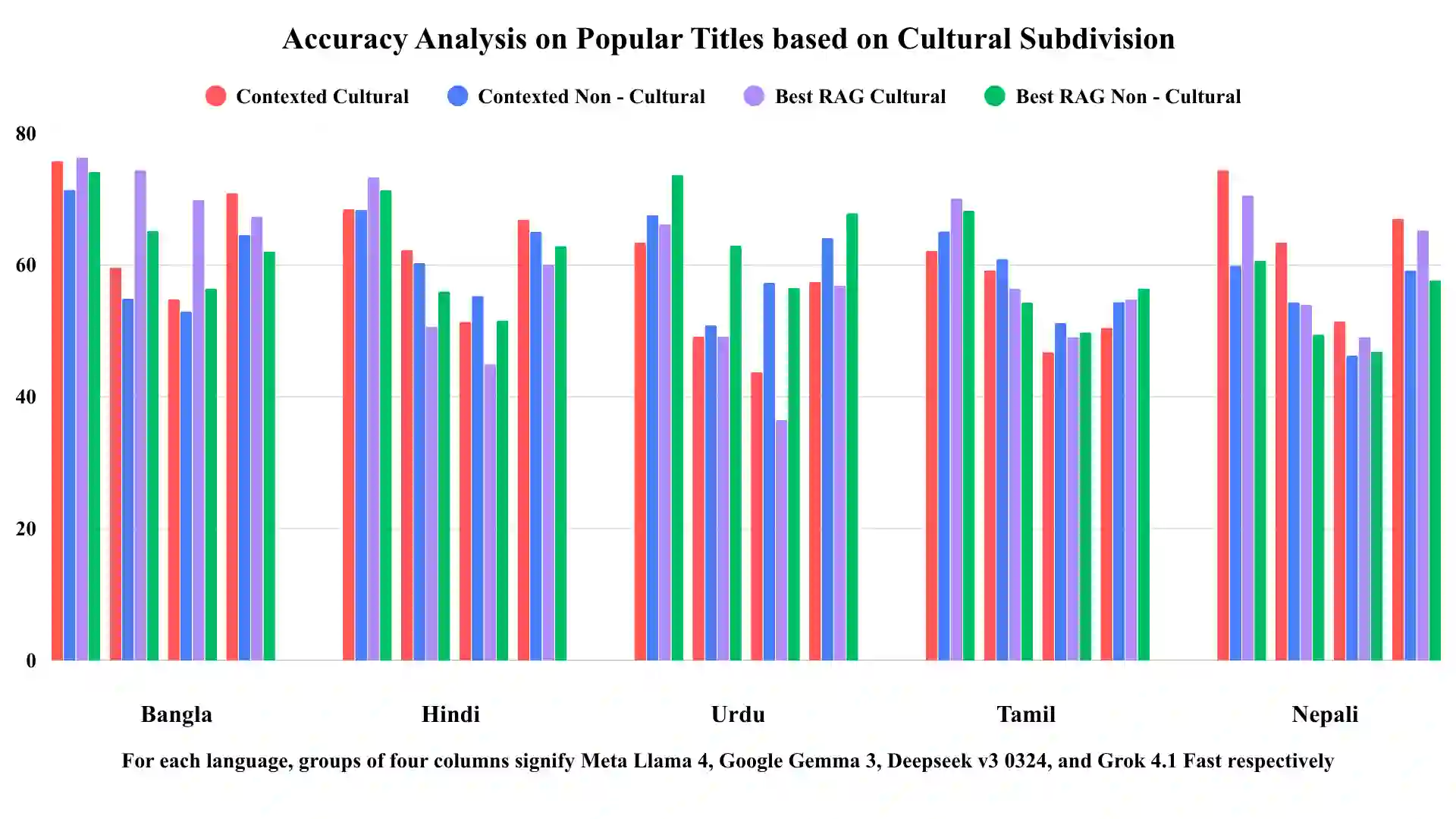
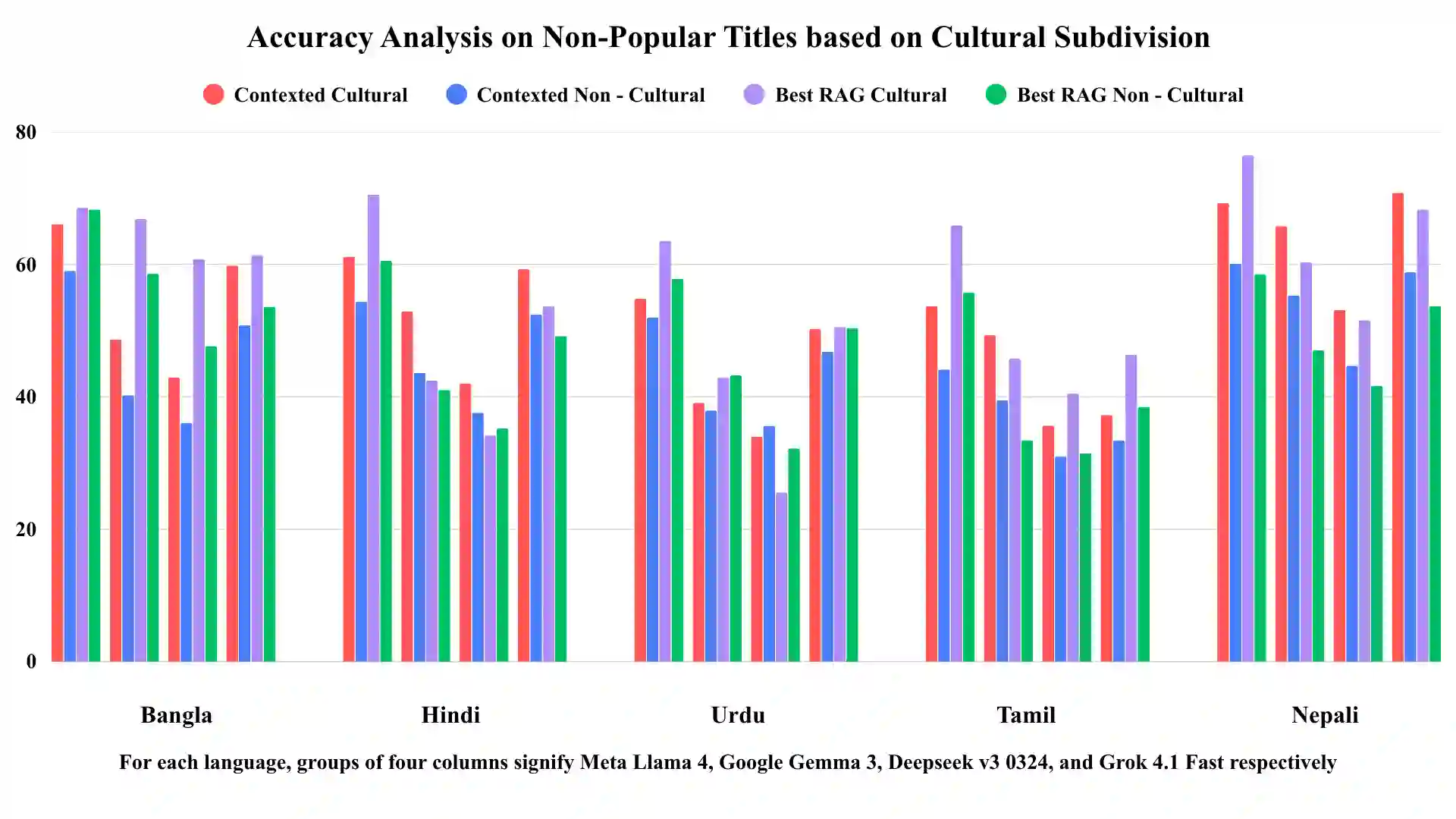
Retrieval-Augmented Generation (RAG) models have become almost a cornerstone of open-domain question answering tasks; in which the quality of answers generated in the process, greatly relies on the effectiveness of retrieval mechanisms. In the realm of LLM, the last two years have seen tremendous progress in RAG architectures, with many models reporting to have improved performance through various design innovations. The cultural question and answering systems of South Asia, in particular, present a specific challenge since the region is home to the vast number of languages and traditions, which are closely interrelated. Along with these deeply intertwined historical narratives increase the need for culturally grounded and context-aware interpretation. Despite major architectural advances in LLMs, claiming significant improvements, challenges remain when answering these region specific questions in native languages. In this study, we aim to extract high-performing factors to guide the development of optimized hybrid RAG systems. We further explore whether the integration of RAG changes performance differently for culturally grounded and non-cultural questions in a South Asian multilingual setup, and whether RAG produces a higher overall percentage of correct answers than contexted answering. We also examine how LLM performance changes when RAG methods are integrated into the question-answering pipeline in comparison with non-contexted and contexted answering and, evaluate whether the introduction of RAG benefits popular or non-popular culturally grounded questions more. Not only does our work evaluate the current methods but also carves a path for future designs of more accurate and efficient question-answering pipelines.
翻译:暂无翻译




相关内容




 微信扫码咨询专知VIP会员