

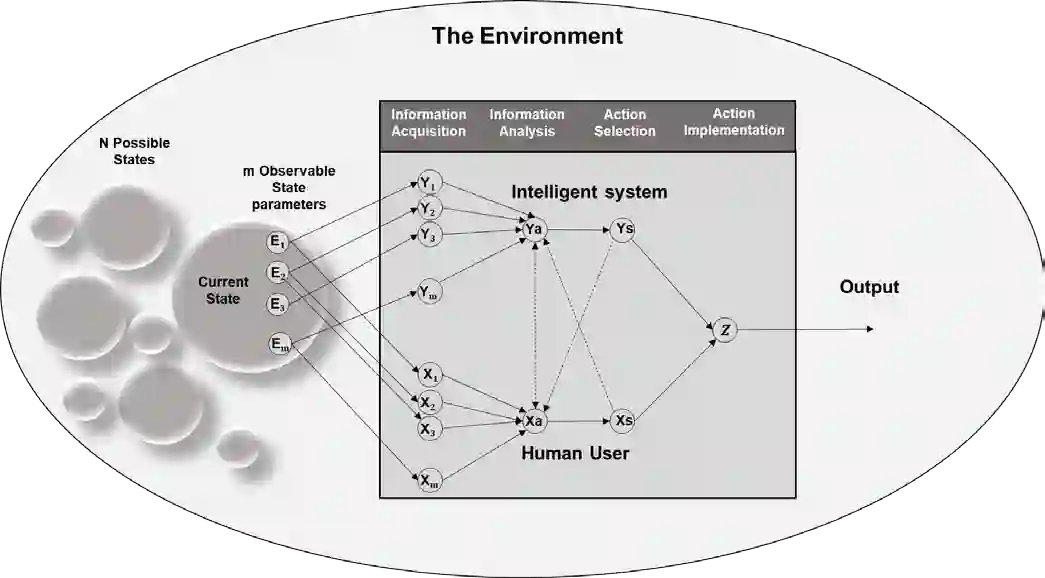
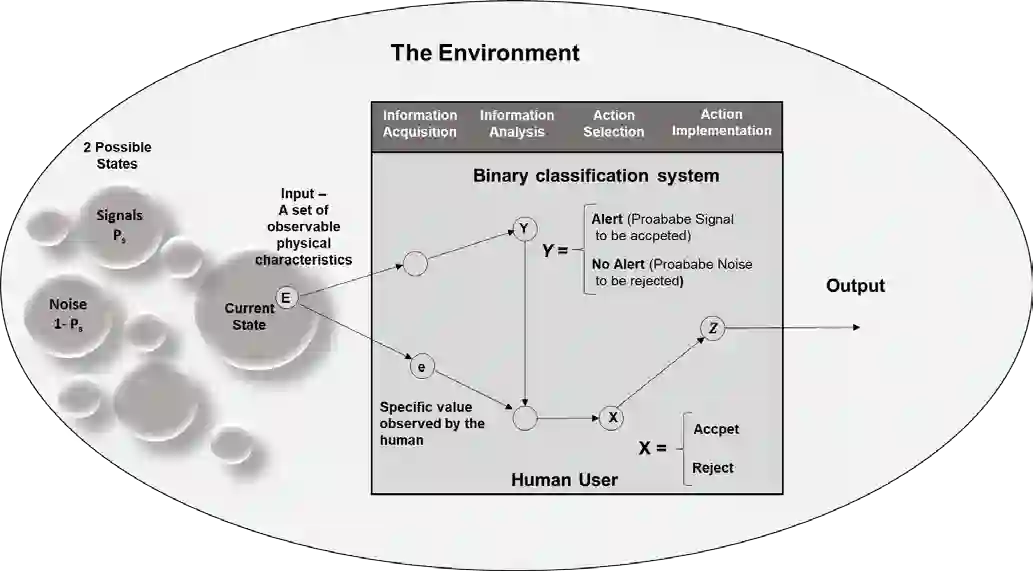
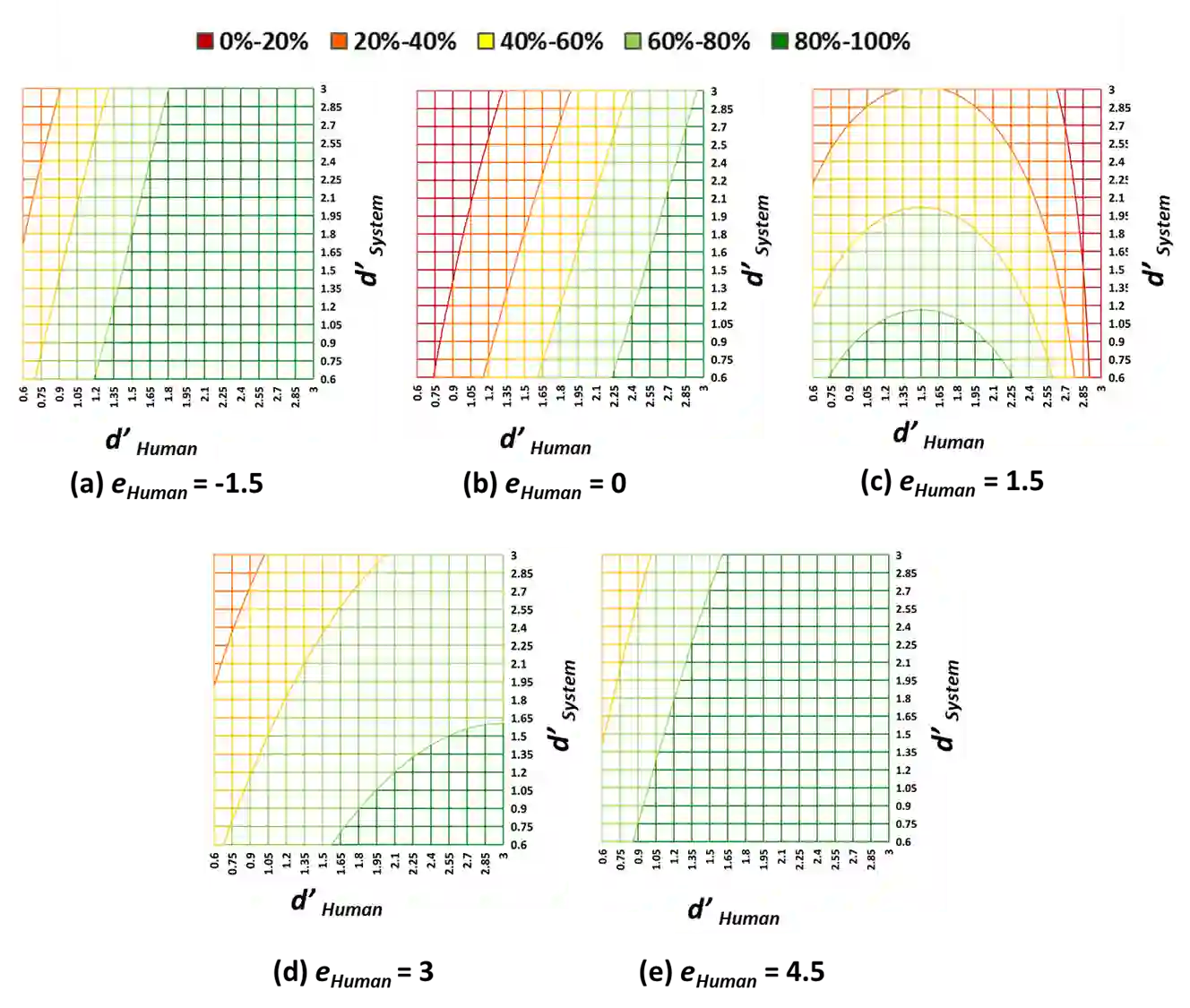
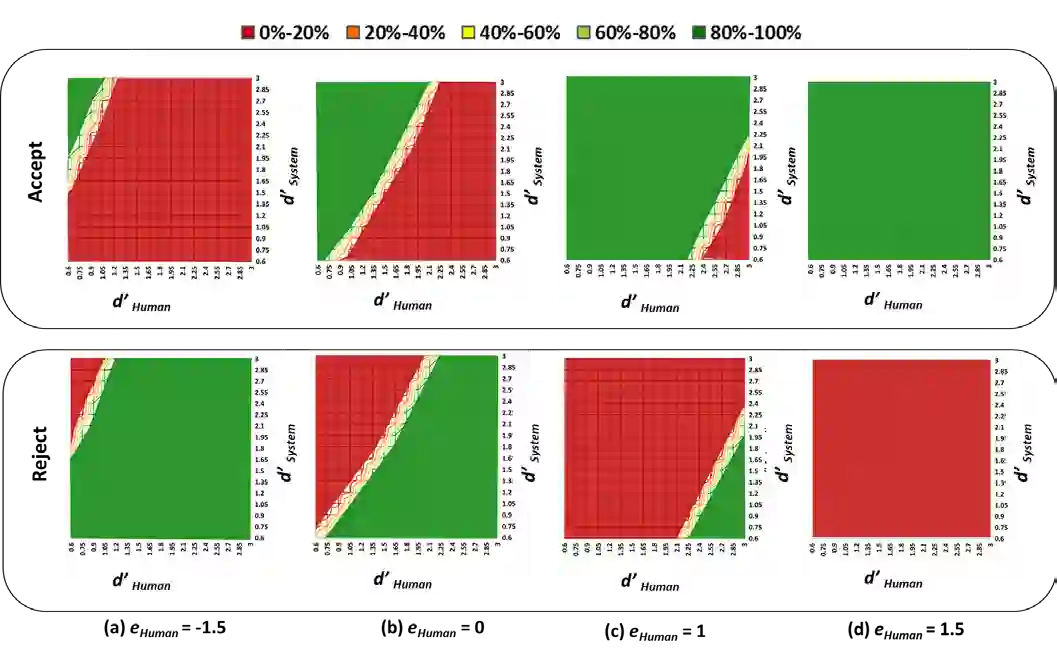
Intelligent systems have become a major part of our lives. Human responsibility for outcomes becomes unclear in the interaction with these systems, as parts of information acquisition, decision-making, and action implementation may be carried out jointly by humans and systems. Determining human causal responsibility with intelligent systems is particularly important in events that end with adverse outcomes. We developed three measures of retrospective human causal responsibility when using intelligent systems. The first measure concerns repetitive human interactions with a system. Using information theory, it quantifies the average human's unique contribution to the outcomes of past events. The second and third measures concern human causal responsibility in a single past interaction with an intelligent system. They quantify, respectively, the unique human contribution in forming the information used for decision-making and the reasonability of the actions that the human carried out. The results show that human retrospective responsibility depends on the combined effects of system design and its reliability, the human's role and authority, and probabilistic factors related to the system and the environment. The new responsibility measures can serve to investigate and analyze past events involving intelligent systems. They may aid the judgment of human responsibility and ethical and legal discussions, providing a novel quantitative perspective.
翻译:智能系统已成为我们生活的重要组成部分。在与这些系统的交互过程中,人类对结果的责任变得模糊不清,因为信息获取、决策制定和行动实施可能由人类和系统共同完成。在导致不良后果的事件中,确定人类与智能系统间的因果责任尤为重要。我们提出了三种在使用智能系统时人类回溯因果责任的度量方法。第一种方法关注人类与系统的重复性交互,利用信息论量化过去事件结果中人类平均独特贡献。第二、三种方法涉及人类与智能系统单次历史交互中的因果责任,分别量化人类在决策信息形成中的独特贡献,以及人类所实施行动的合理性。研究结果表明,人类回溯责任取决于系统设计及其可靠性、人类角色与权限、以及系统与环境相关的概率因素的综合作用。这些新的责任度量方法可用于调查分析涉及智能系统的历史事件,为人类责任判定及伦理法律讨论提供全新量化视角。




相关内容




 微信扫码咨询专知VIP会员