

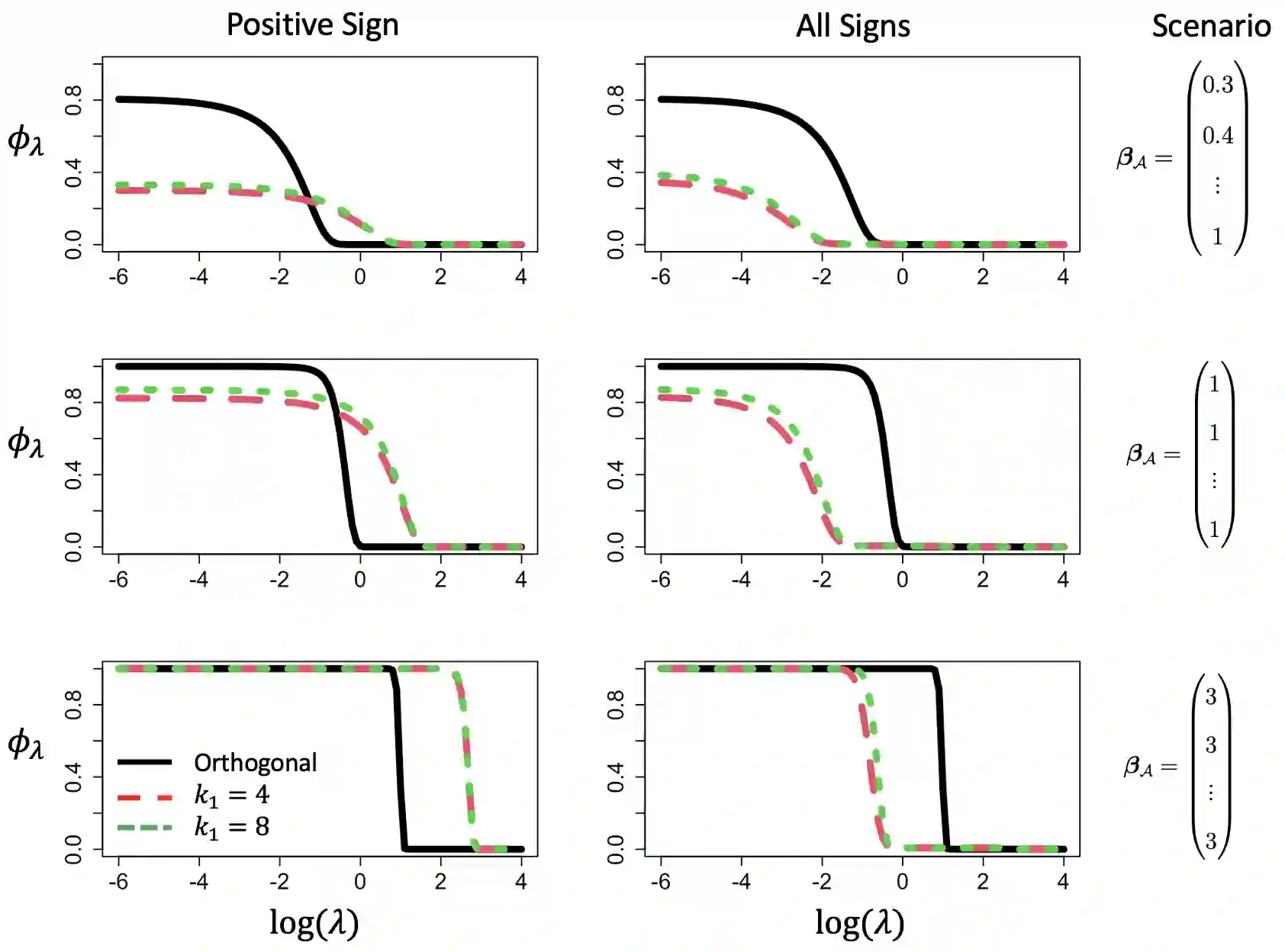
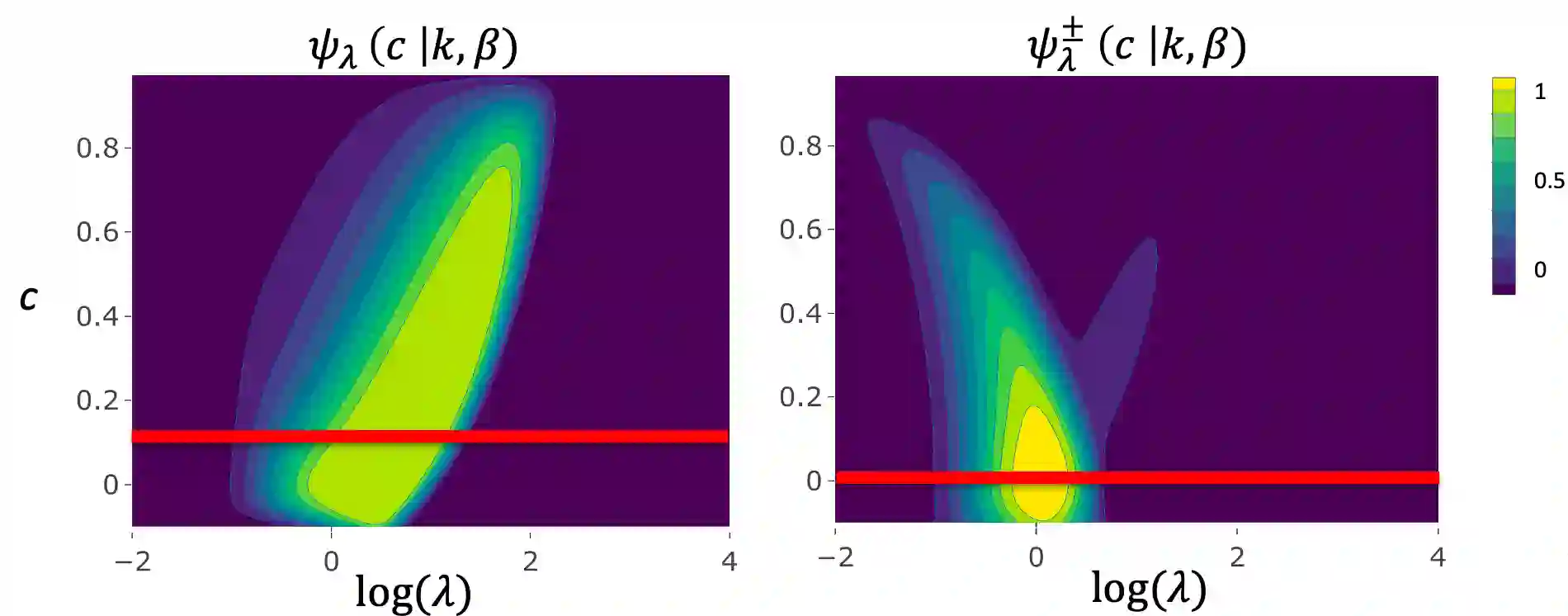
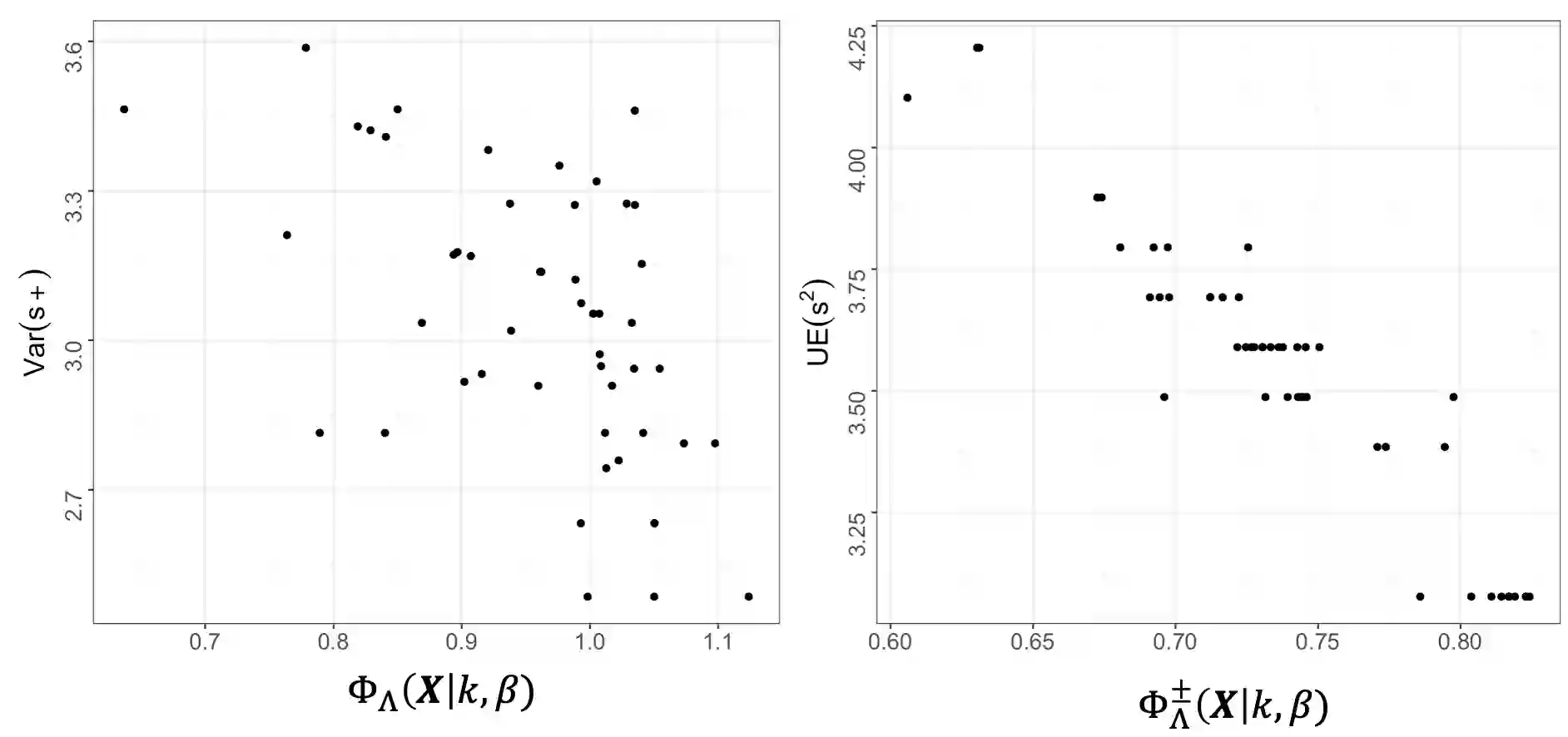
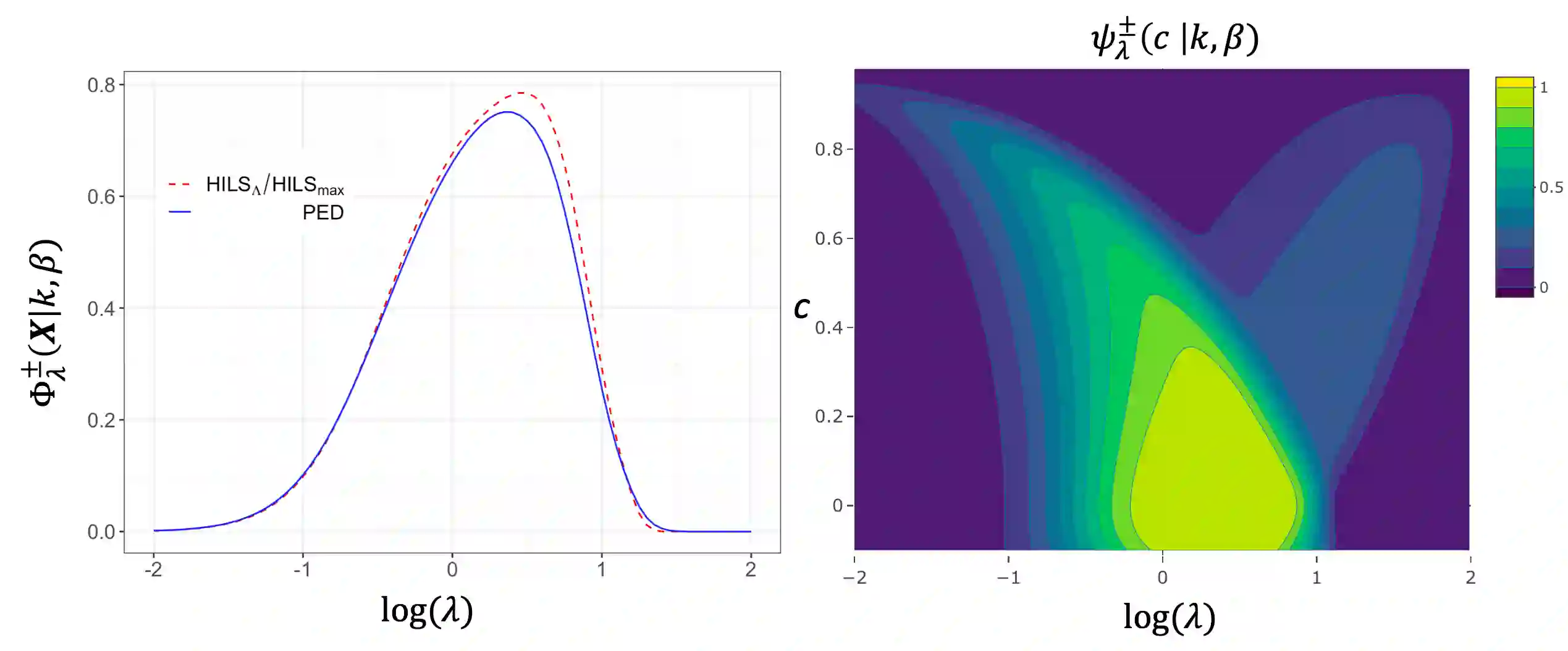
Supersaturated designs, in which the number of factors exceeds the number of runs, are often constructed under a heuristic criterion that measures a design's proximity to an unattainable orthogonal design. Such a criterion does not directly measure a design's quality in terms of screening. To address this disconnect, we develop optimality criteria to maximize the lasso's sign recovery probability. The criteria have varying amounts of prior knowledge about the model's parameters. We show that an orthogonal design is an ideal structure when the signs of the active factors are unknown. When the signs are assumed known, we show that a design whose columns exhibit small, positive correlations are ideal. Such designs are sought after by the Var(s+)-criterion. These conclusions are based on a continuous optimization framework, which rigorously justifies the use of established heuristic criteria. From this justification, we propose a computationally-efficient design search algorithm that filters through optimal designs under different heuristic criteria to select the one that maximizes the sign recovery probability under the lasso.
翻译:超饱和设计中,因子数量超过实验次数,此类设计通常基于启发式准则构建,该准则衡量设计相对于不可达正交设计的接近程度。然而,这类准则无法直接评估设计在变量筛选方面的质量。为解决这一脱节问题,我们开发了最优性准则以最大化LASSO的符号恢复概率。这些准则对模型参数先验知识的依赖程度不同。研究表明:当活跃因子符号未知时,正交设计是理想结构;当符号已知时,列间呈现微弱正相关性的设计最为理想——此类设计恰好为Var(s+)准则所追求。这些结论基于连续优化框架得出,该框架严谨验证了现有启发式准则的合理性。基于此,我们提出了一种计算高效的设计搜索算法,该算法通过筛选不同启发式准则下的最优设计,选择能够最大化LASSO符号恢复概率的设计。




相关内容




 微信扫码咨询专知VIP会员