

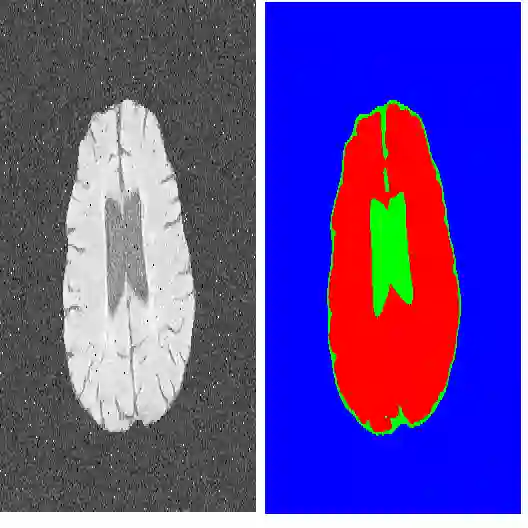
Medical image segmentation plays an important role in computer-aided diagnosis. Attention mechanisms that distinguish important parts from irrelevant parts have been widely used in medical image segmentation tasks. This paper systematically reviews the basic principles of attention mechanisms and their applications in medical image segmentation. First, we review the basic concepts of attention mechanism and formulation. Second, we surveyed over 300 articles related to medical image segmentation, and divided them into two groups based on their attention mechanisms, non-Transformer attention and Transformer attention. In each group, we deeply analyze the attention mechanisms from three aspects based on the current literature work, i.e., the principle of the mechanism (what to use), implementation methods (how to use), and application tasks (where to use). We also thoroughly analyzed the advantages and limitations of their applications to different tasks. Finally, we summarize the current state of research and shortcomings in the field, and discuss the potential challenges in the future, including task specificity, robustness, standard evaluation, etc. We hope that this review can showcase the overall research context of traditional and Transformer attention methods, provide a clear reference for subsequent research, and inspire more advanced attention research, not only in medical image segmentation, but also in other image analysis scenarios.
翻译:医学图像分割在计算机辅助诊断中发挥着重要作用。注意力机制能够区分重要区域与无关区域,已被广泛应用于医学图像分割任务。本文系统综述了注意力机制的基本原理及其在医学图像分割中的应用。首先,我们回顾了注意力机制的基本概念与公式化表述。其次,我们调研了300余篇医学图像分割相关文献,并根据其注意力机制类型将其分为两类:非Transformer注意力与Transformer注意力。在此分类基础上,我们结合当前文献工作,从三个维度深度分析注意力机制:机制原理(使用什么)、实现方法(如何使用)及应用任务(用于何处)。我们还全面分析了它们在不同任务中的应用优势与局限性。最后,我们总结了该领域的研究现状与不足之处,并探讨了未来可能面临的挑战,包括任务特异性、鲁棒性、标准化评估等。我们期望本综述能展现传统注意力方法与Transformer注意力方法的整体研究脉络,为后续研究提供清晰参考,并激发不仅在医学图像分割、更在其他图像分析场景中更先进的注意力机制研究。




相关内容



 微信扫码咨询专知VIP会员