

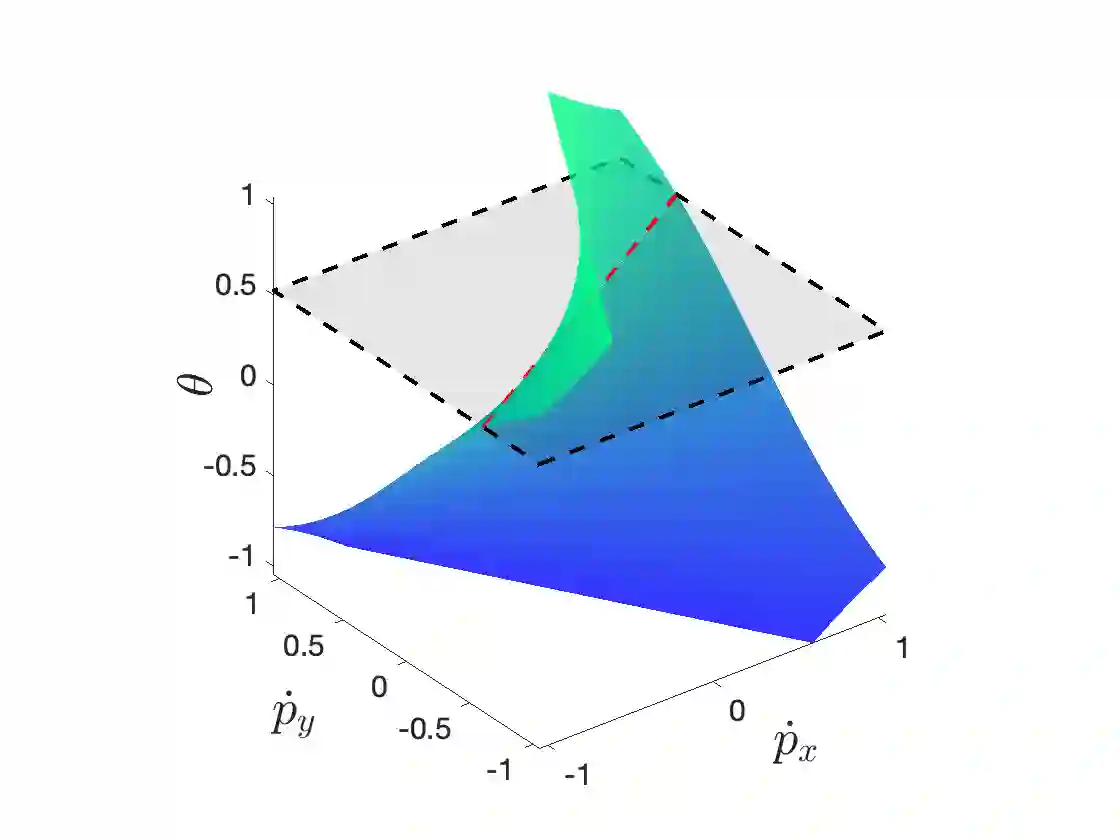
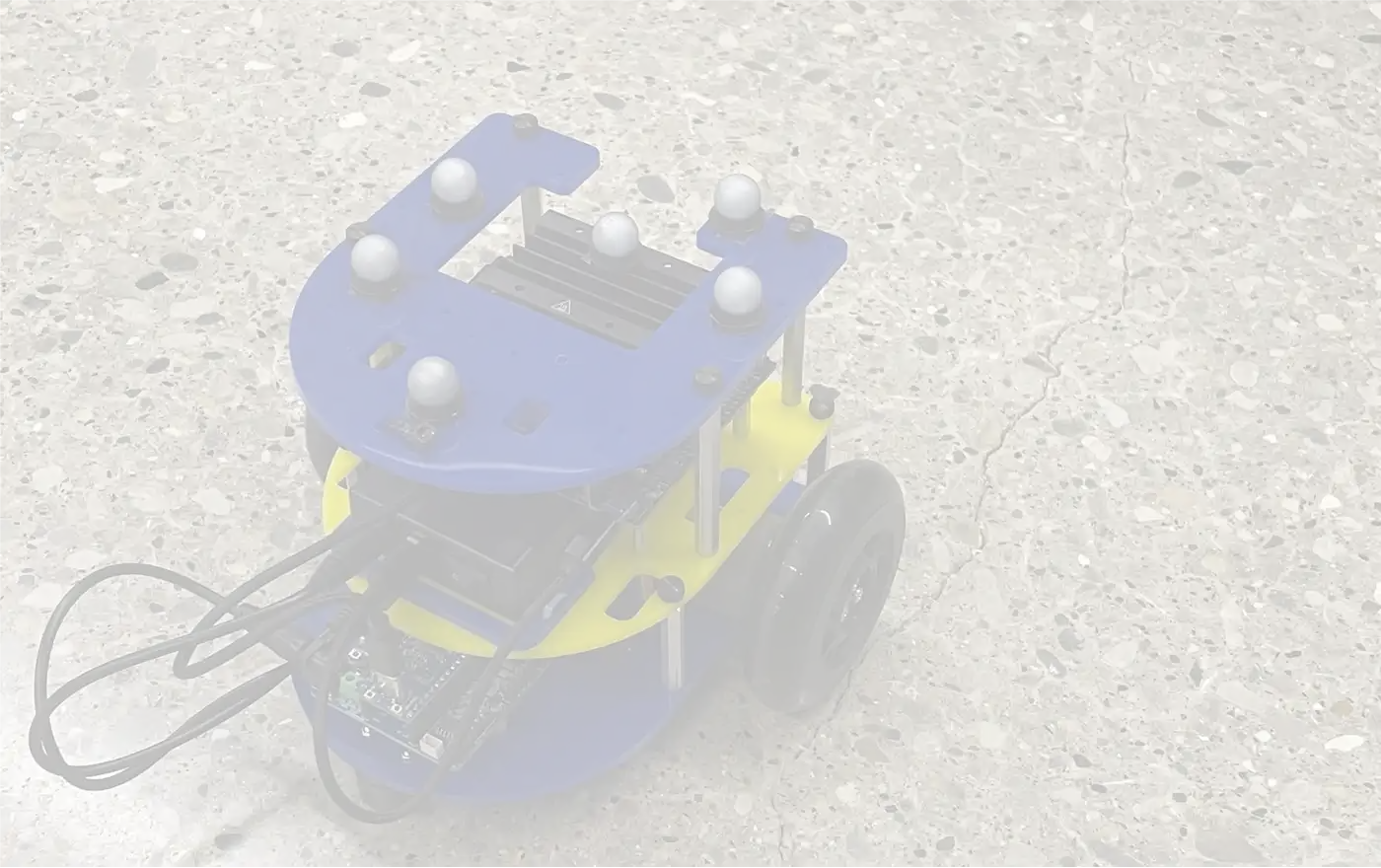
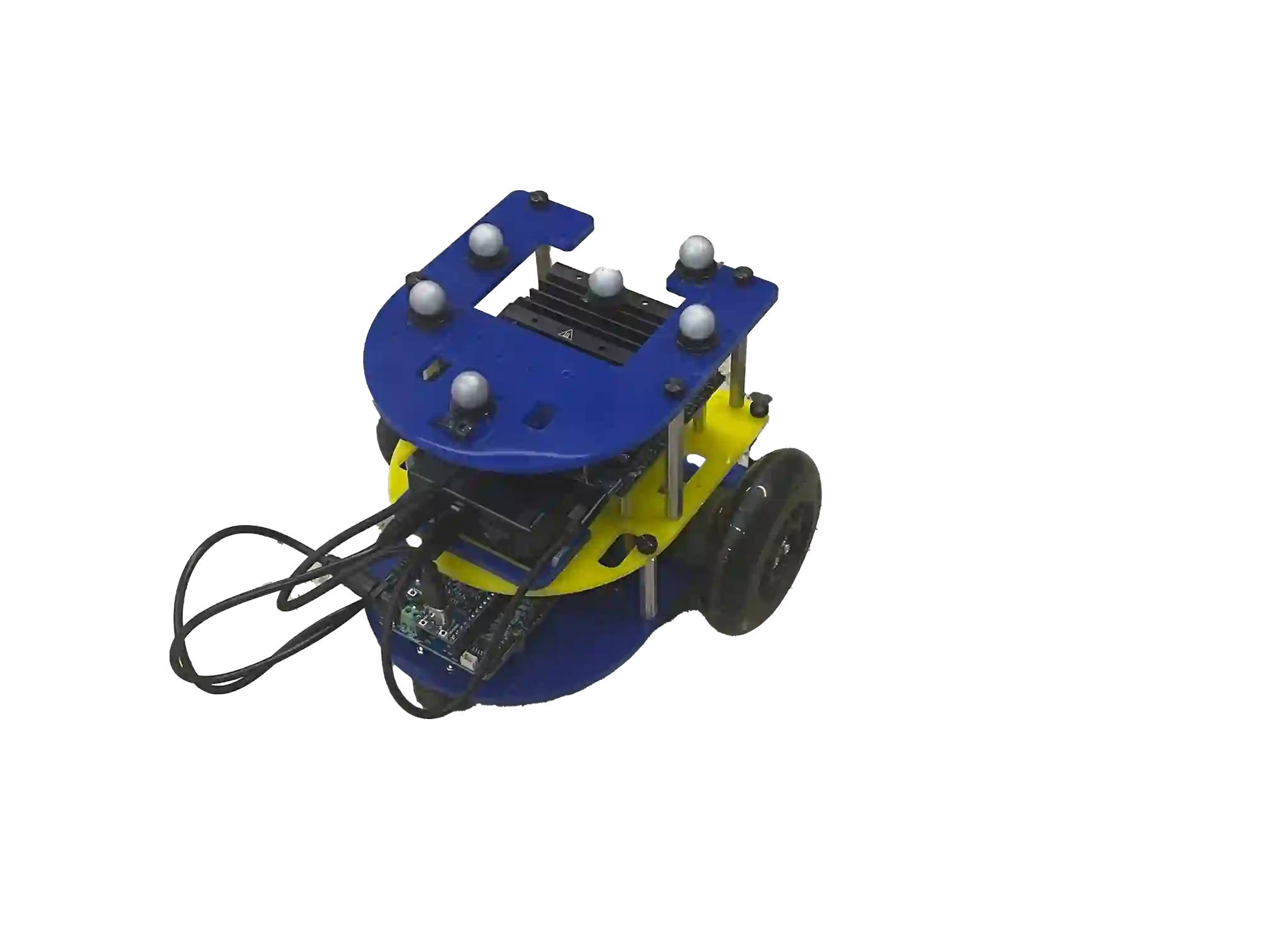
We propose a method for improving the prediction accuracy of learned robot dynamics models on out-of-distribution (OOD) states. We achieve this by leveraging two key sources of structure often present in robot dynamics: 1) sparsity, i.e., some components of the state may not affect the dynamics, and 2) physical limits on the set of possible motions, in the form of nonholonomic constraints. Crucially, we do not assume this structure is known a priori, and instead learn it from data. We use contrastive learning to obtain a distance pseudometric that uncovers the sparsity pattern in the dynamics, and use it to reduce the input space when learning the dynamics. We then learn the unknown constraint manifold by approximating the normal space of possible motions from the data, which we use to train a Gaussian process (GP) representation of the constraint manifold. We evaluate our approach on a physical differential-drive robot and a simulated quadrotor, showing improved prediction accuracy on OOD data relative to baselines.
翻译:我们提出了一种方法,用于提升机器人动力学学习模型在分布外(OOD)状态下的预测精度。该方法通过利用机器人动力学中常见的两种关键结构实现:1)稀疏性,即状态的某些分量可能不影响动力学;2)物理限制对可能运动集合的约束,以非完整约束的形式体现。关键在于,我们无需预先假设这些结构已知,而是从数据中学习它们。我们采用对比学习获取距离伪度量,以揭示动力学中的稀疏模式,并以此缩减学习动力学时的输入空间。随后,我们通过从数据中近似可能运动的法空间来学习未知的约束流形,并训练该流形的高斯过程(GP)表示。我们在物理差速驱动小车和仿真四旋翼飞行器上评估了该方法,结果显示在OOD数据上的预测精度优于基线方法。




相关内容


 微信扫码咨询专知VIP会员