

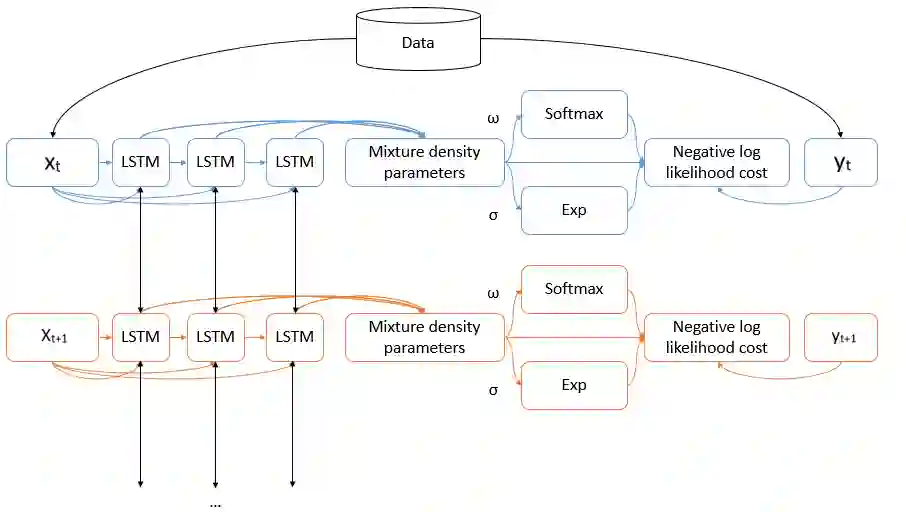
With the present highly infectious dominant SARS-CoV-2 strain of B1.1.529 or Omicron spreading around the globe, there is concern that the COVID-19 pandemic will not end soon and that it will be a race against time until a more contagious and virulent variant emerges. One of the most promising approaches for preventing virus propagation is to maintain continuous high vaccination efficacy among the population, thereby strengthening the population protective effect and preventing the majority of infection in the vaccinated population, as is known to occur with the Omicron variant frequently. Countries must structure vaccination programs in accordance with their populations' susceptibility to infection, optimizing vaccination efforts by delivering vaccines progressively enough to protect the majority of the population. We present a feasibility study proposal for maintaining optimal continuous vaccination by assessing the susceptible population, the decline of vaccine efficacy in the population, and advising booster dosage deployment to maintain the population's protective efficacy through the use of a predictive model. Numerous studies have been conducted in the direction of analyzing vaccine utilization; however, very little study has been conducted to substantiate the optimal deployment of booster dosage vaccination with the help of a predictive model based on machine learning algorithms.
翻译:由于目前在全球传播高度传染性的SARS-COV-2菌株B1.1.529或Omicro,人们担心COVID-19这一流行病不会很快结束,在传染性和毒性变异出现之前,这将是一场时间争斗。防止病毒传播的最有希望的方法之一是保持人口持续高的疫苗接种效率,从而加强人口保护效应,防止接种人口中的大多数感染,奥微生物变异物经常发生。各国必须根据人口对感染的敏感度制定疫苗接种方案,通过逐步提供足以保护大多数人口的疫苗,优化疫苗接种工作。我们提出了一项可行性研究建议,通过评估易感染人口,保持最佳的连续接种疫苗,降低人口的疫苗效率,并建议使用一种预测模型来部署助推剂,以保持人口的保护效力。在分析疫苗使用方向方面已经进行了许多研究;然而,为证实最佳部署助推剂接种疫苗,并借助基于机器学习算法的预测模型,进行了极少的研究。




相关内容

Source: Apple - iOS 8



 微信扫码咨询专知VIP会员