

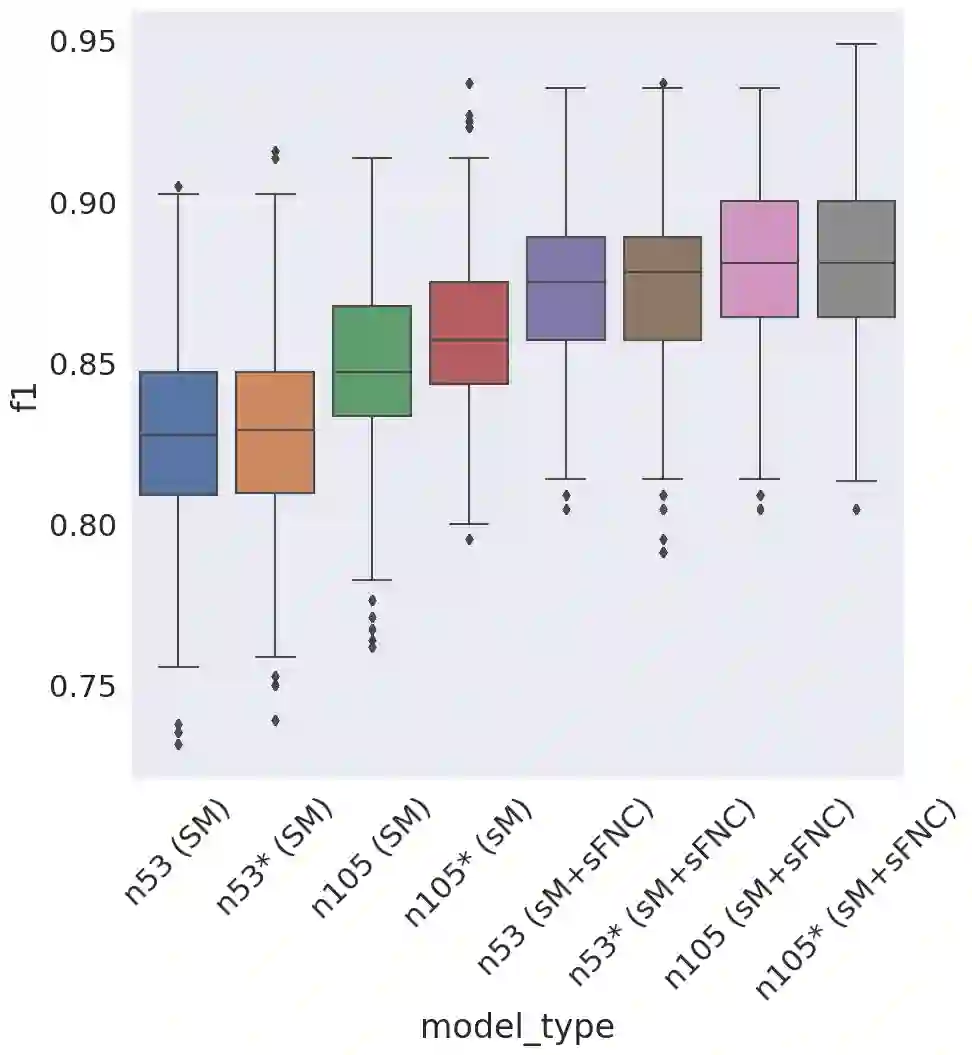
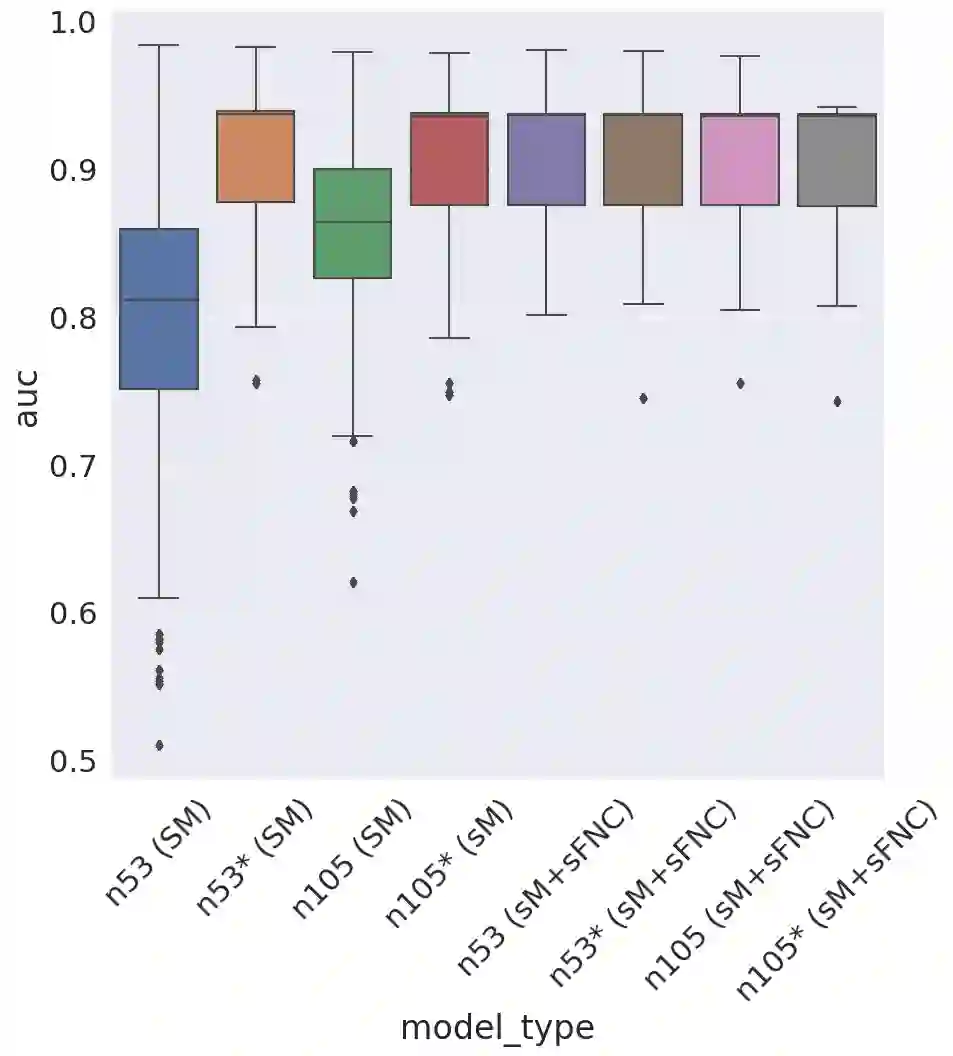
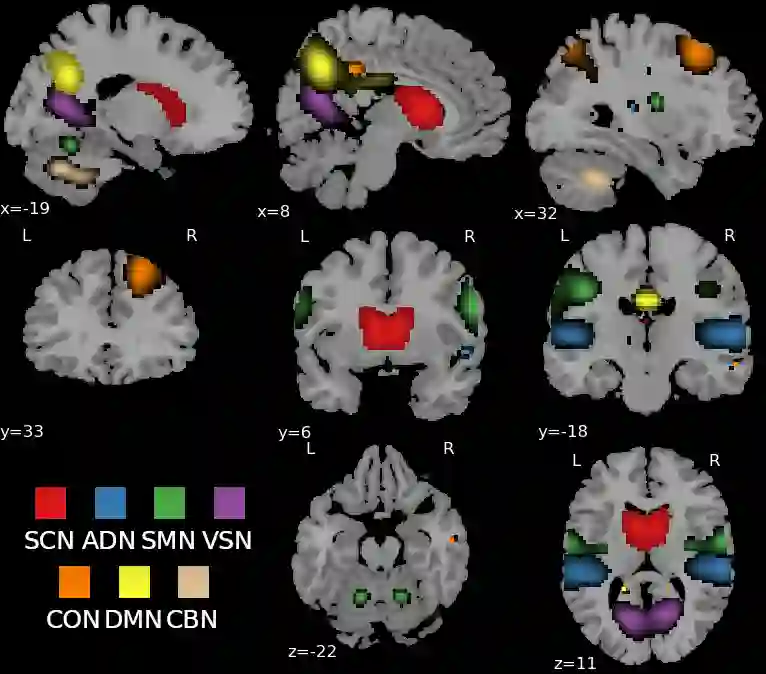
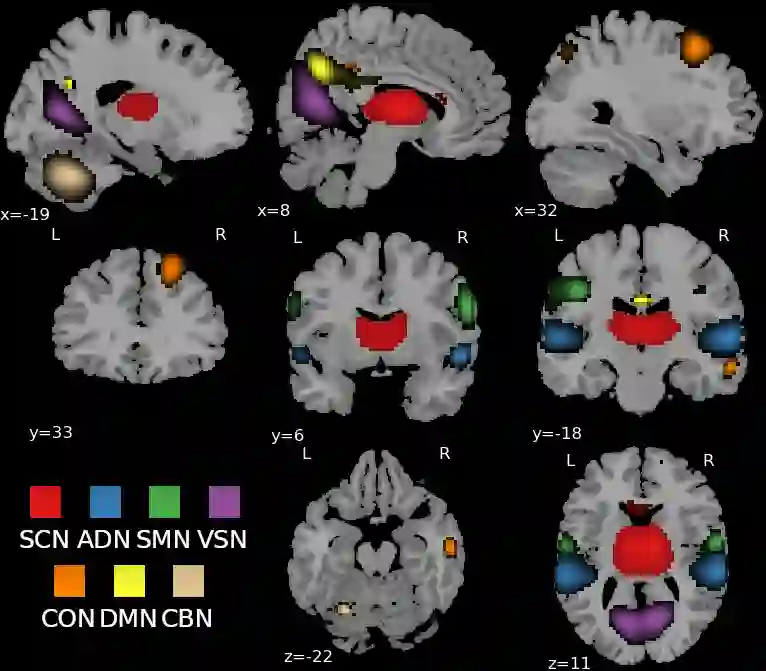
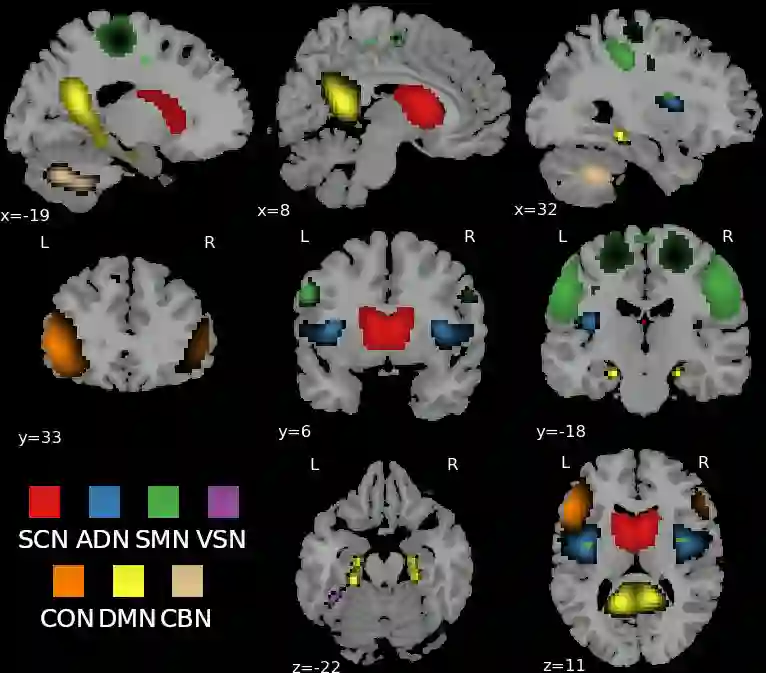
In the clinical treatment of mood disorders, the complex behavioral symptoms presented by patients and variability of patient response to particular medication classes can create difficulties in providing fast and reliable treatment when standard diagnostic and prescription methods are used. Increasingly, the incorporation of physiological information such as neuroimaging scans and derivatives into the clinical process promises to alleviate some of the uncertainty surrounding this process. Particularly, if neural features can help to identify patients who may not respond to standard courses of anti-depressants or mood stabilizers, clinicians may elect to avoid lengthy and side-effect-laden treatments and seek out a different, more effective course that might otherwise not have been under consideration. Previously, approaches for the derivation of relevant neuroimaging features work at only one scale in the data, potentially limiting the depth of information available for clinical decision support. In this work, we show that the utilization of multi spatial scale neuroimaging features - particularly resting state functional networks and functional network connectivity measures - provide a rich and robust basis for the identification of relevant medication class and non-responders in the treatment of mood disorders. We demonstrate that the generated features, along with a novel approach for fast and automated feature selection, can support high accuracy rates in the identification of medication class and non-responders as well as the identification of novel, multi-scale biomarkers.
翻译:在情绪障碍的临床治疗中,患者呈现的复杂行为症状以及不同药物类别反应的个体差异,使得采用标准诊断和处方方法时难以提供快速可靠的治疗方案。越来越多地,将神经影像扫描及其衍生指标等生理信息纳入临床流程,有望缓解该过程中的不确定性。特别是,若神经特征能帮助识别可能对标准抗抑郁药或心境稳定剂治疗无应答的患者,临床医生可避免冗长且副作用显著的疗程,转而寻求原本可能未被考虑的其他更有效方案。以往相关神经影像特征的提取方法仅作用于单一尺度的数据,这限制了临床决策支持可用的信息深度。本研究证明,利用多空间尺度的神经影像特征(特别是静息态功能网络与功能网络连接性指标),能为情绪障碍治疗中药物类别及无应答者的识别提供丰富且稳健的基础。我们证实,所生成的特征结合一种快速自动化特征选择的新方法,可在识别药物类别与无应答者的过程中达到高准确率,并能识别出新型的多尺度生物标志物。




相关内容




 微信扫码咨询专知VIP会员