

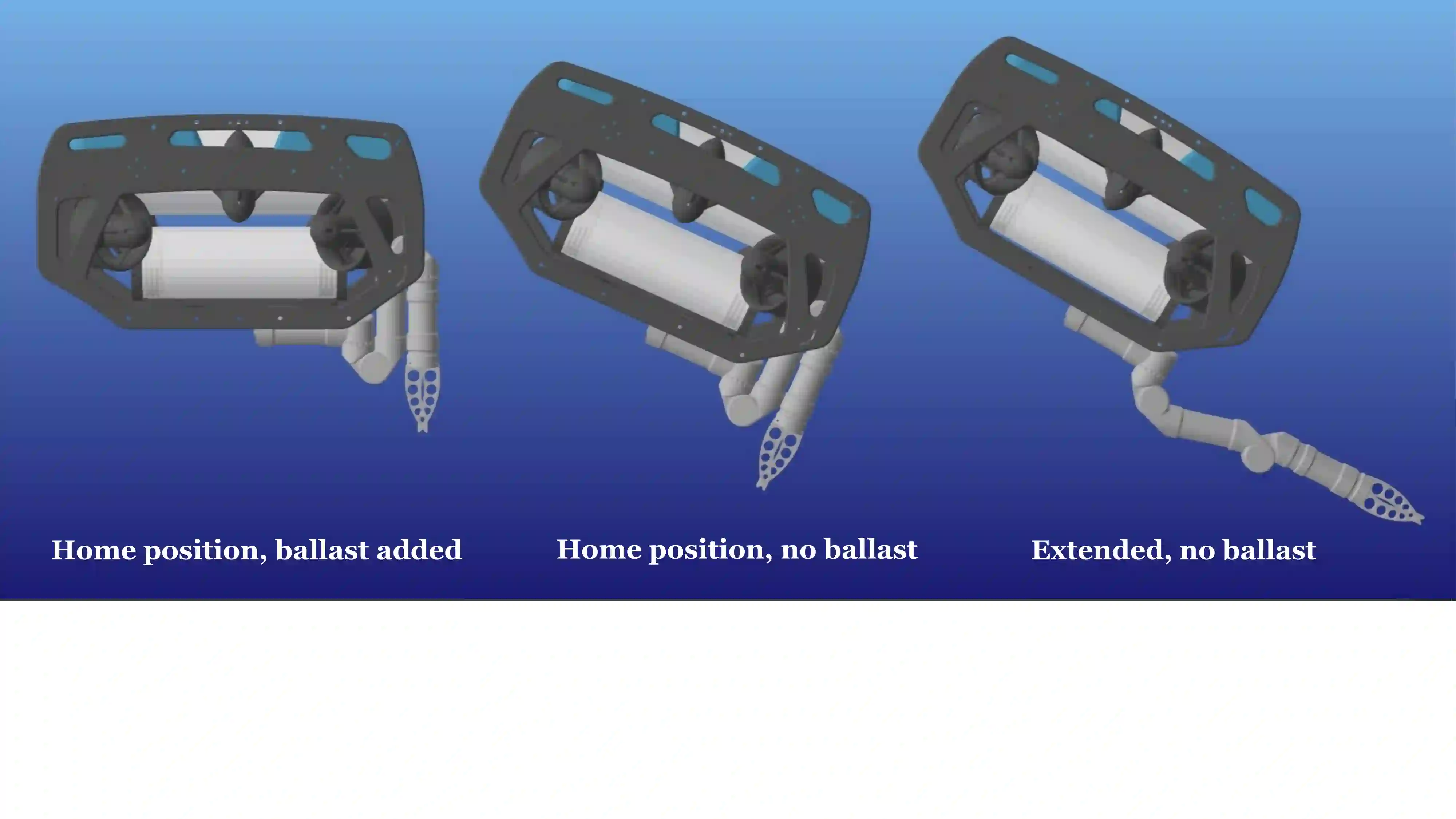
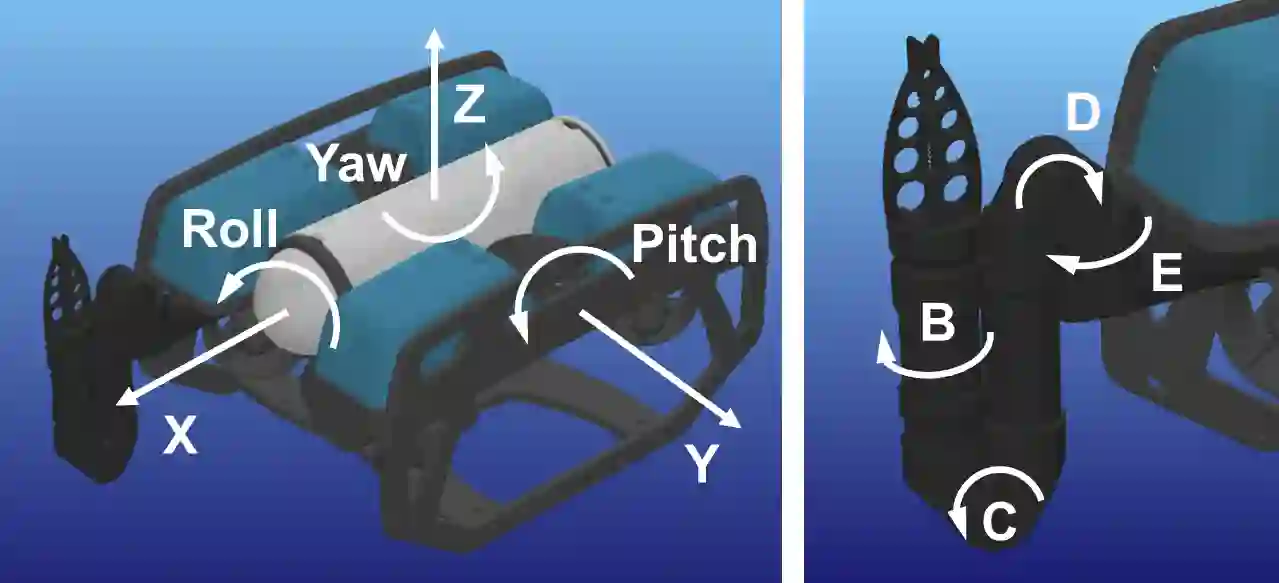
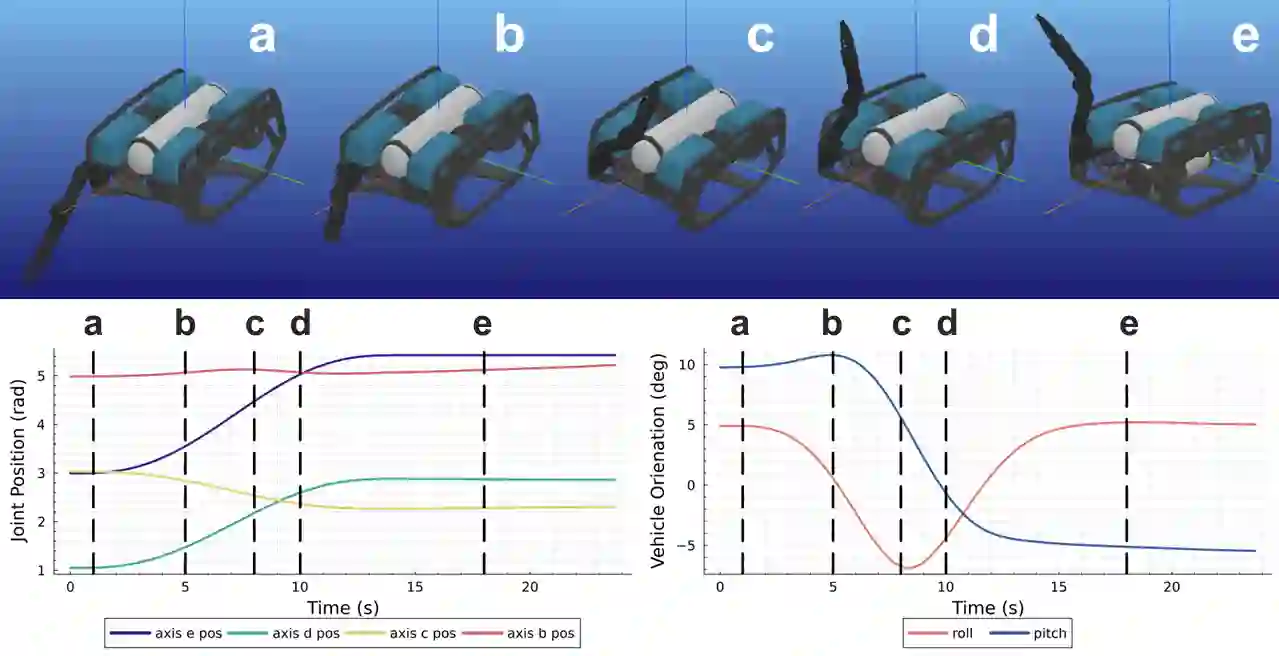
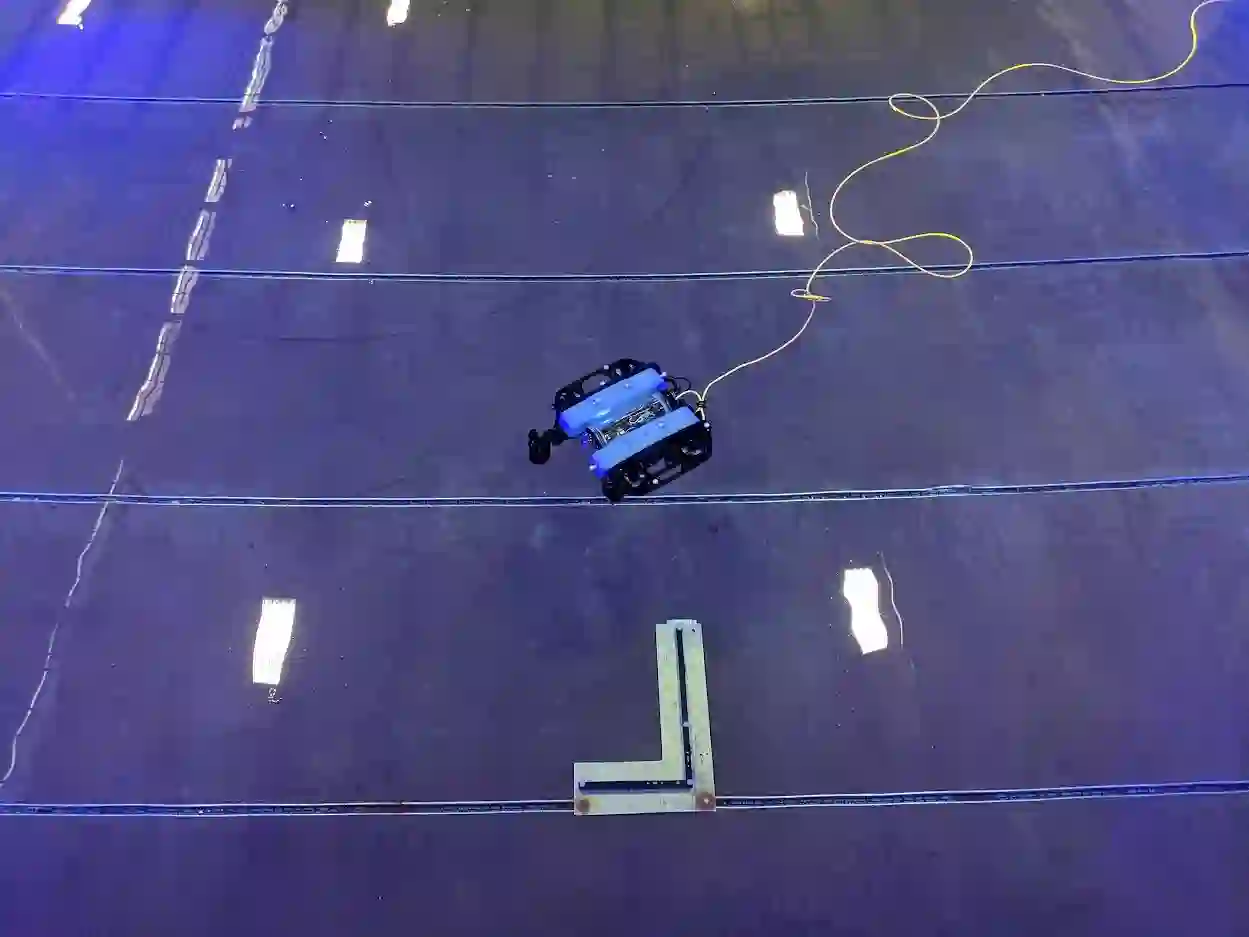
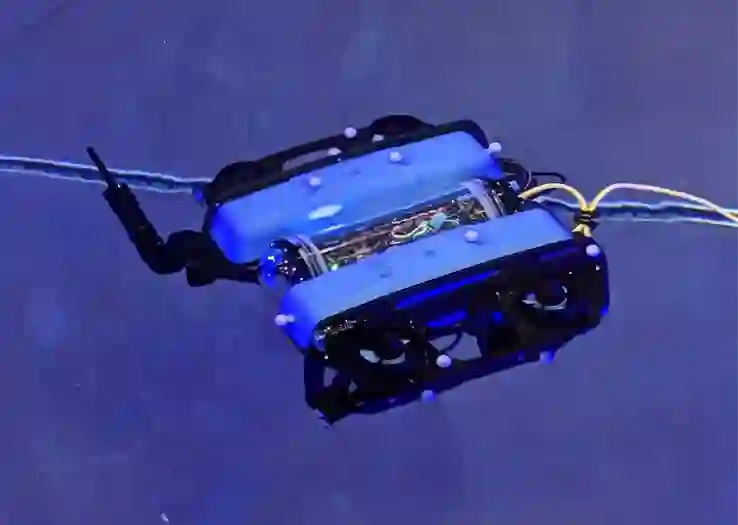
As Underwater Vehicle Manipulator Systems (UVMSs) have gotten smaller and lighter over the past years, it is becoming increasingly important to consider the coupling forces between the manipulator and the vehicle when planning and controlling the system. A number of different models have been proposed, each using different rigid body dynamics or hydrodynamics algorithms, or purporting to consider different dynamic effects on the system, but most go without experimental validation of the full model, and in particular, of the coupling effect between the two systems. In this work, we return to a model combining Featherstone's rigid body dynamics algorithms with Fossen's equations for underwater dynamics by using the Julia package RigidBodyDynamics.jl. We compare the simulation's output with experimental results from pool trials with a ten degree of freedom UVMS that integrates a Reach Alpha manipulator with a BlueROV2. We validate the model's usefulness and identify its strengths and weaknesses in studying the dynamic coupling effect.
翻译:过去几年中,随着水下无人航行器-机械臂系统(UVMS)日趋小型化和轻量化,在系统规划与控制过程中考虑机械臂与航行器之间的耦合作用力变得日益重要。已有诸多模型被提出,这些模型采用不同的刚体动力学或水动力学算法,或声称考虑了系统上的不同动力学效应,但大多数模型缺乏完整模型的实验验证,尤其是两子系统间耦合效应的验证。本研究回归至将Featherstone刚体动力学算法与Fossen水下动力学方程相结合的模型,利用Julia软件包RigidBodyDynamics.jl实现。我们将仿真输出与Reach Alpha机械臂集成BlueROV2的十自由度UVMS水池试验结果进行对比,验证了该模型的实用性,并识别了其在研究动力学耦合效应方面的优势与不足。




相关内容




 微信扫码咨询专知VIP会员