

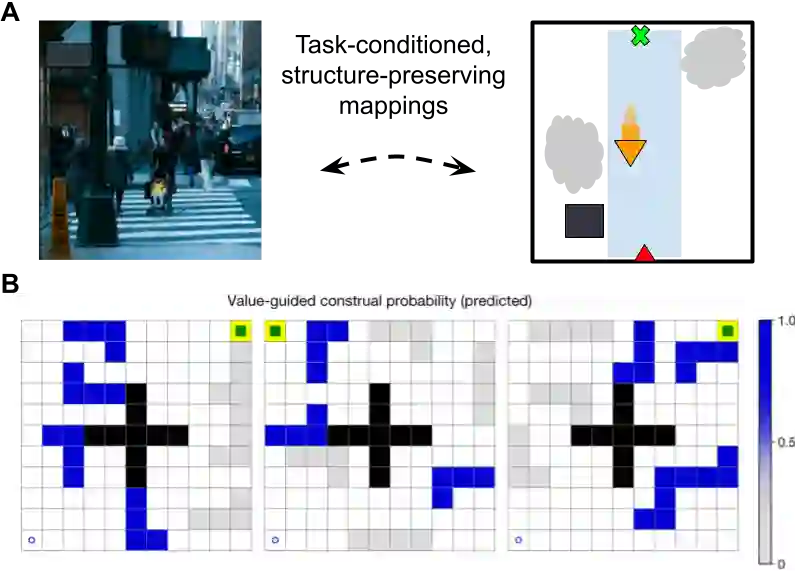
In what sense does a large language model have knowledge? The answer to this question extends beyond the capabilities of a particular AI system, and challenges our assumptions about the nature of knowledge and intelligence. We answer by granting LLMs "instrumental knowledge"; knowledge defined by a certain set of abilities. We then ask how such knowledge is related to the more ordinary, "worldly" knowledge exhibited by human agents, and explore this in terms of the degree to which instrumental knowledge can be said to incorporate the structured world models of cognitive science. We discuss ways LLMs could recover degrees of worldly knowledge, and suggest such recovery will be governed by an implicit, resource-rational tradeoff between world models and task demands.
翻译:大型语言模型在何种意义上具备知识?这一问题的答案不仅超越特定AI系统的能力范畴,更对我们关于知识与智能本质的既有假设构成挑战。我们通过赋予大语言模型"工具性知识"——即由特定能力集合所定义的知识——来回应此问题。进而追问这类知识与人类能动者所展现的更普遍的"世俗性知识"之间存在何种关联,并从工具性知识在多大程度上可被视为整合了认知科学的结构化世界模型这一维度展开探讨。我们论述了大语言模型恢复某种程度世俗性知识的可能路径,并指出此类恢复将受制于世界模型与任务需求之间隐含的、基于资源理性的权衡机制。






相关内容





 微信扫码咨询专知VIP会员