

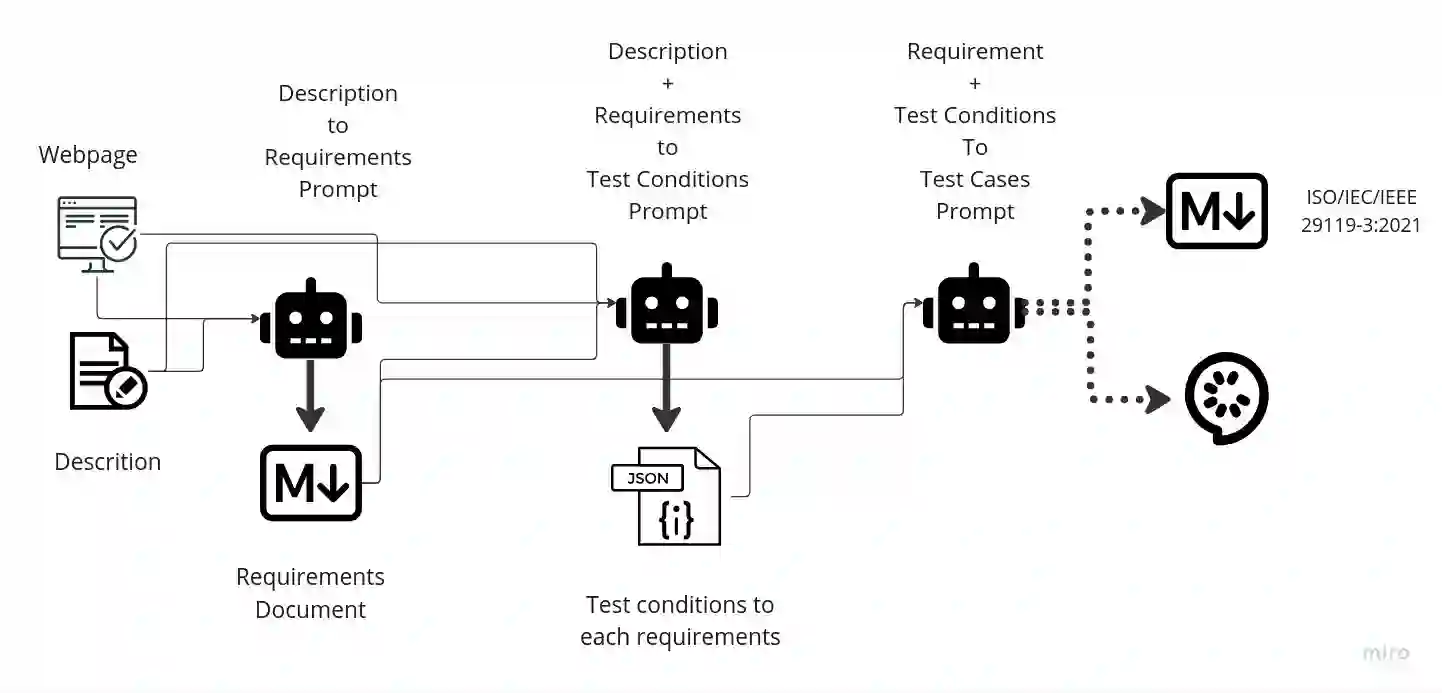
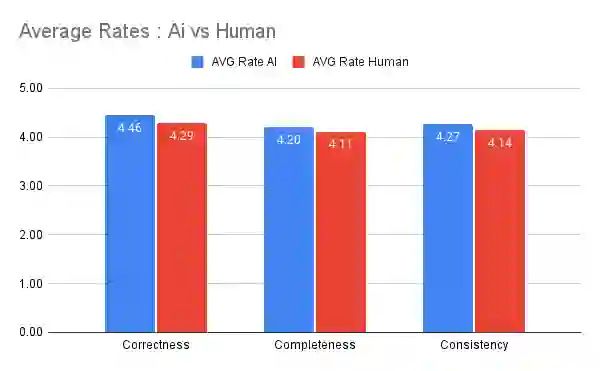
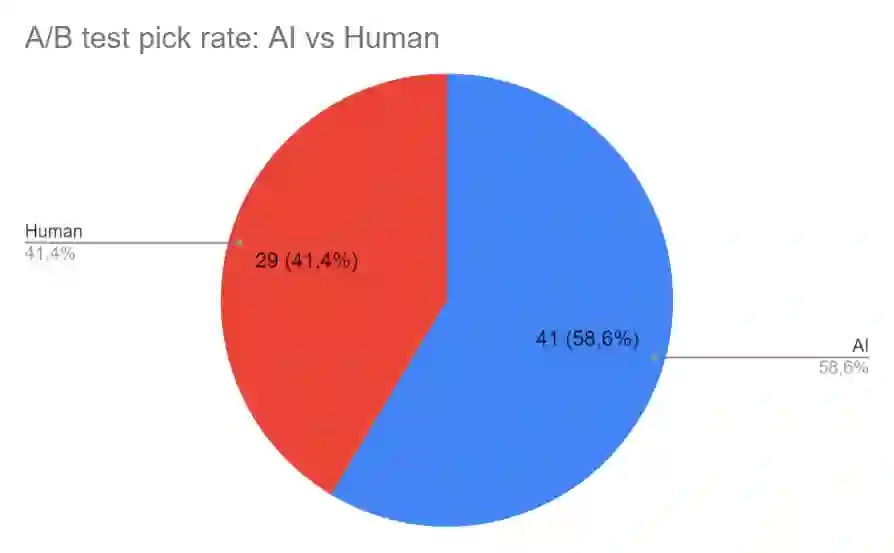
This paper presents a detailed case study examining the application of Large Language Models (LLMs) in the construction of test cases within the context of software engineering. LLMs, characterized by their advanced natural language processing capabilities, are increasingly garnering attention as tools to automate and enhance various aspects of the software development life cycle. Leveraging a case study methodology, we systematically explore the integration of LLMs in the test case construction process, aiming to shed light on their practical efficacy, challenges encountered, and implications for software quality assurance. The study encompasses the selection of a representative software application, the formulation of test case construction methodologies employing LLMs, and the subsequent evaluation of outcomes. Through a blend of qualitative and quantitative analyses, this study assesses the impact of LLMs on test case comprehensiveness, accuracy, and efficiency. Additionally, delves into challenges such as model interpretability and adaptation to diverse software contexts. The findings from this case study contributes with nuanced insights into the practical utility of LLMs in the domain of test case construction, elucidating their potential benefits and limitations. By addressing real-world scenarios and complexities, this research aims to inform software practitioners and researchers alike about the tangible implications of incorporating LLMs into the software testing landscape, fostering a more comprehensive understanding of their role in optimizing the software development process.
翻译:本文通过详细的案例研究,探讨了大语言模型(LLMs)在软件工程测试用例构建中的应用。LLMs凭借其先进的自然语言处理能力,正逐渐成为自动化并增强软件开发生命周期各环节的工具。我们采用案例研究方法,系统性地探索了LLMs在测试用例构建流程中的整合,旨在揭示其实际效能、遇到的挑战及对软件质量保证的影响。研究涵盖了代表性软件应用的选择、采用LLMs制定测试用例构建方法以及后续结果评估。通过定性分析与定量分析相结合的方式,本研究评估了LLMs对测试用例全面性、准确性和效率的影响。同时,还深入探讨了模型可解释性、适应不同软件上下文等挑战。本案例研究的发现为LLMs在测试用例构建领域的实际效用提供了细致入微的见解,阐明了其潜在优势与局限性。通过应对真实场景与复杂性,本研究旨在使软件从业者与研究人员更清晰地认识到将LLMs融入软件测试的实际意义,从而更全面地理解其在优化软件开发流程中的作用。




相关内容





 微信扫码咨询专知VIP会员