

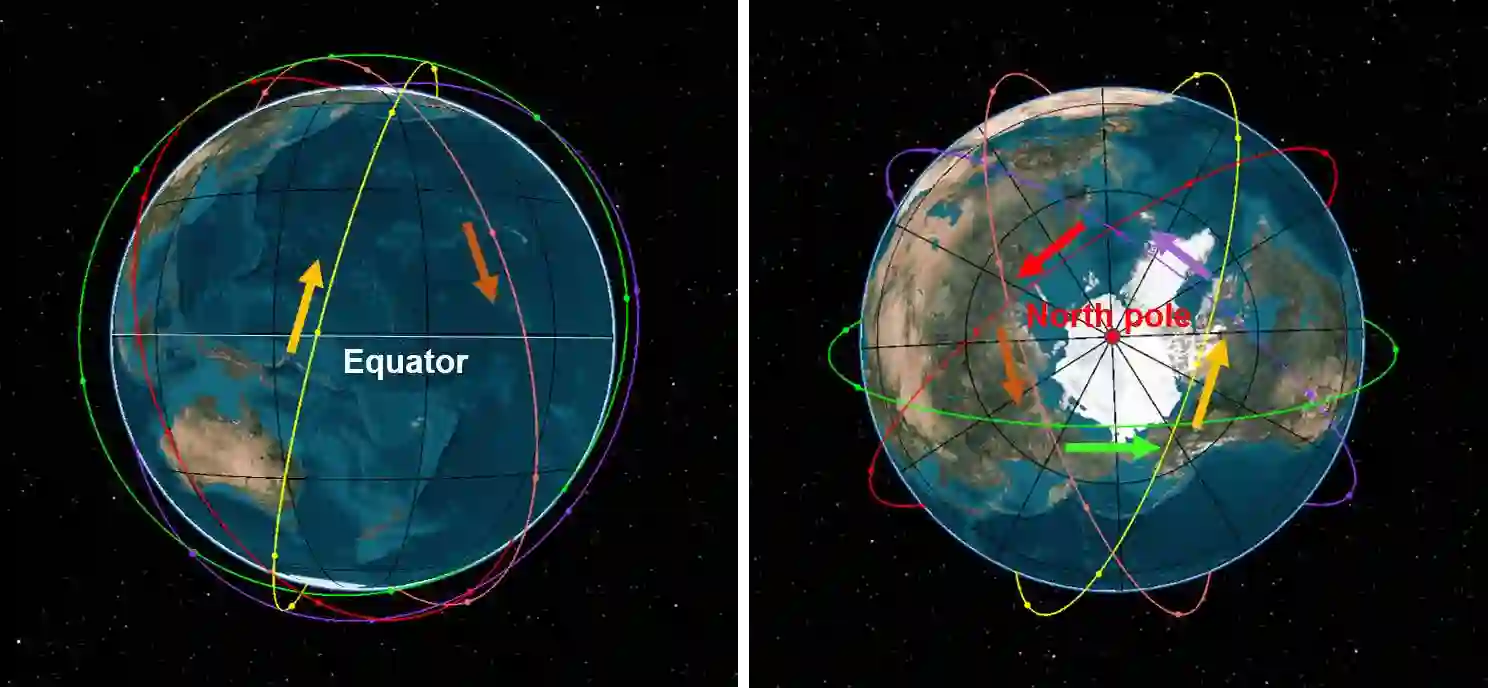
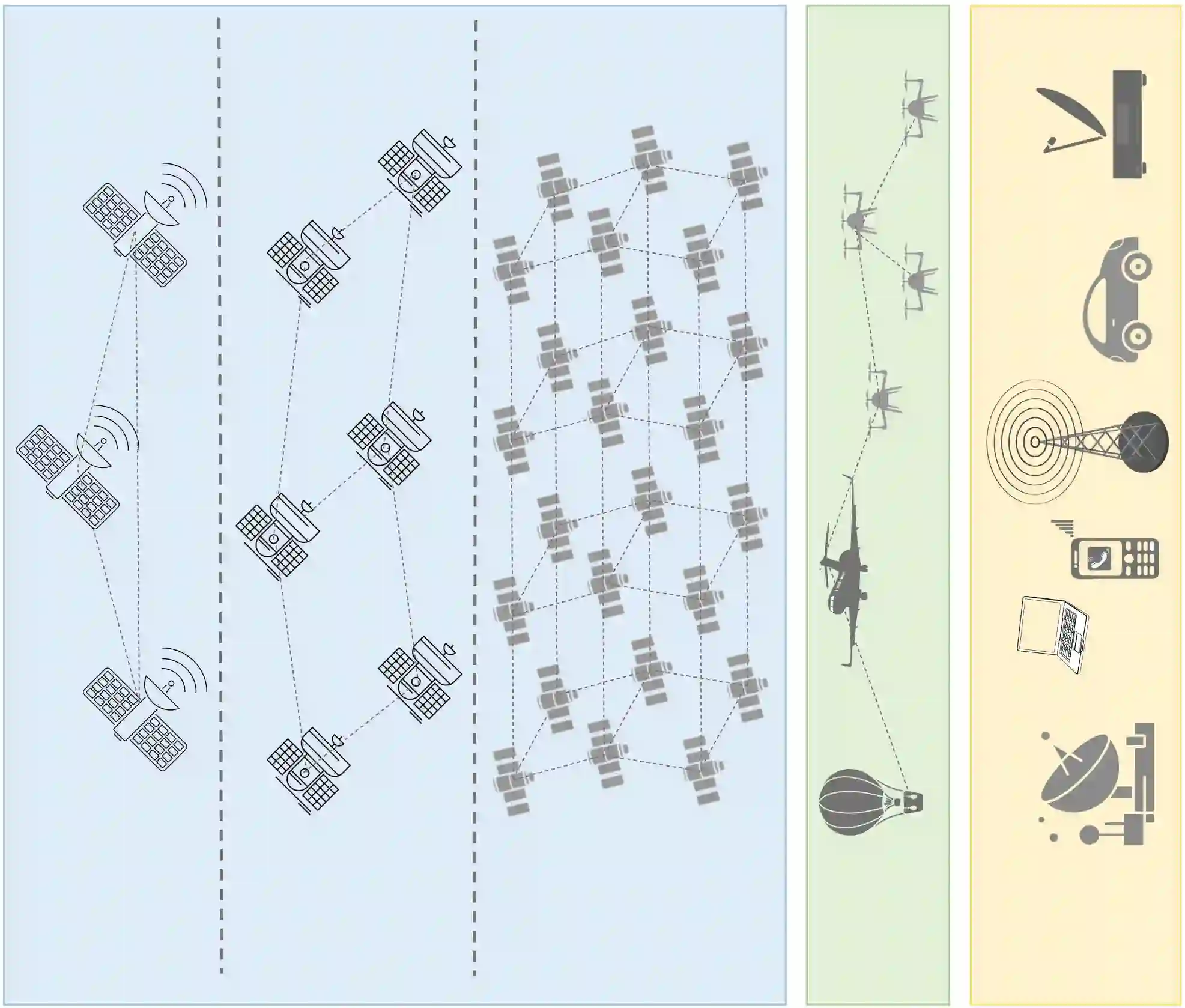
The number of satellites, especially those operating in low-earth orbit (LEO), is exploding in recent years. Additionally, the use of COTS hardware into those satellites enables a new paradigm of computing: orbital edge computing (OEC). OEC entails more technically advanced steps compared to single-satellite computing. This feature allows for vast design spaces with multiple parameters, rendering several novel approaches feasible. The mobility of LEO satellites in the network and limited resources of communication, computation, and storage make it challenging to design an appropriate scheduling algorithm for specific tasks in comparison to traditional ground-based edge computing. This article comprehensively surveys the significant areas of focus in orbital edge computing, which include protocol optimization, mobility management, and resource allocation. This article provides the first comprehensive survey of OEC. Previous survey papers have only concentrated on ground-based edge computing or the integration of space and ground technologies. This article presents a review of recent research from 2000 to 2023 on orbital edge computing that covers network design, computation offloading, resource allocation, performance analysis, and optimization. Moreover, having discussed several related works, both technological challenges and future directions are highlighted in the field.
翻译:近年来,卫星数量(尤其是低地球轨道卫星)呈现爆发式增长。此外,商用现成硬件在这些卫星中的应用催生了新的计算范式:轨道边缘计算。相较于单星计算,轨道边缘计算需要更先进的技术手段。这一特性带来了包含多参数的海量设计空间,使多种创新方法成为可能。低轨卫星网络的移动性以及通信、计算和存储资源的有限性,使得针对特定任务设计合适的调度算法比传统地基边缘计算更具挑战性。本文全面综述了轨道边缘计算的重要研究方向,包括协议优化、移动性管理和资源分配。本文首次对轨道边缘计算进行了系统性综述。此前的综述论文仅聚焦于地基边缘计算或天地技术融合。本文梳理了2000至2023年间轨道边缘计算领域的最新研究,涵盖网络设计、计算卸载、资源分配、性能分析与优化。此外,在讨论相关研究工作的基础上,本文还指出了该领域的技术挑战与未来发展方向。






相关内容




 微信扫码咨询专知VIP会员