

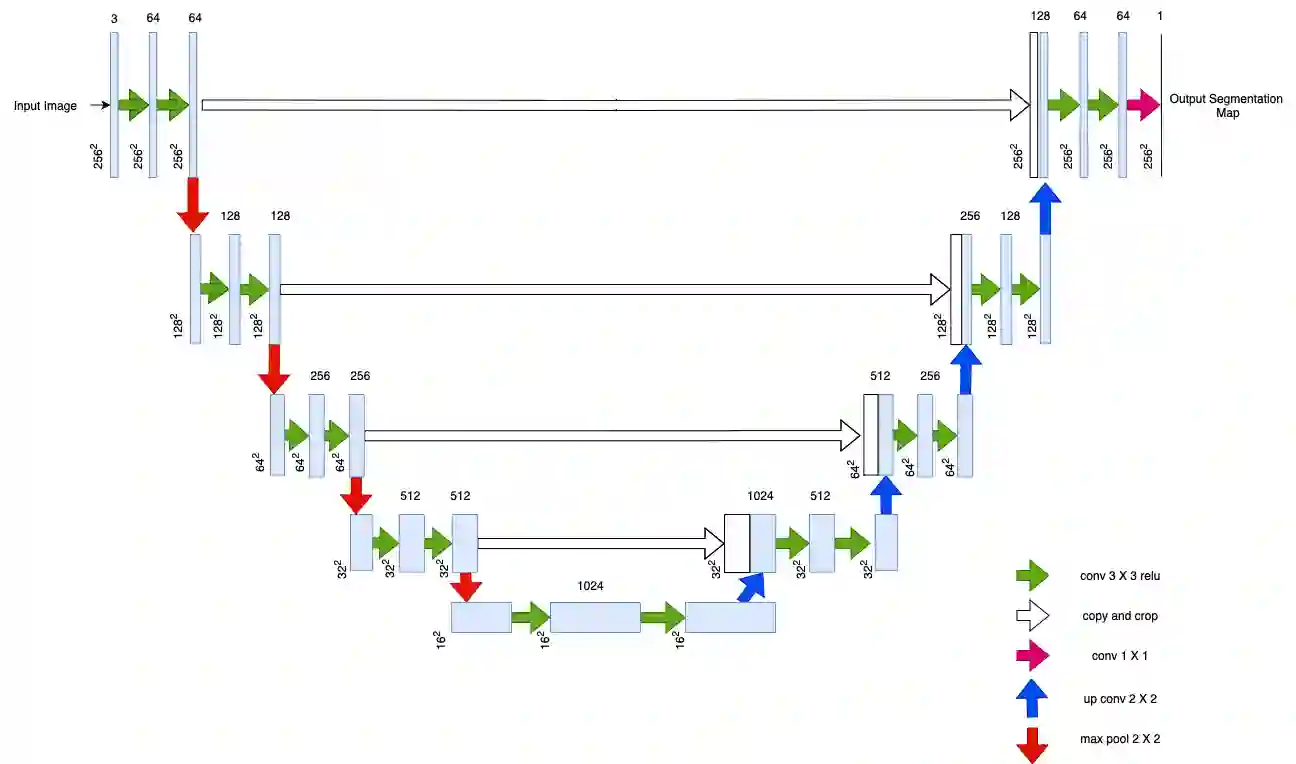
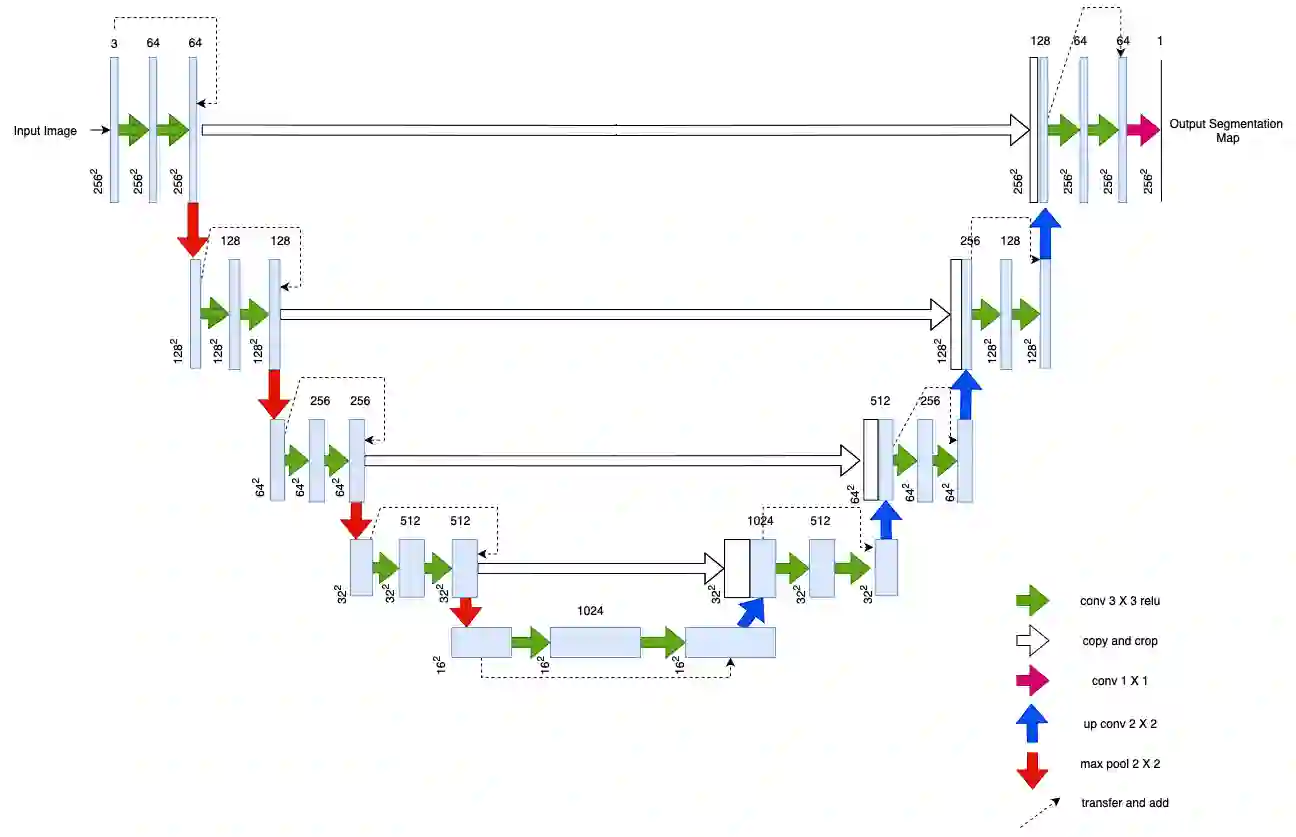
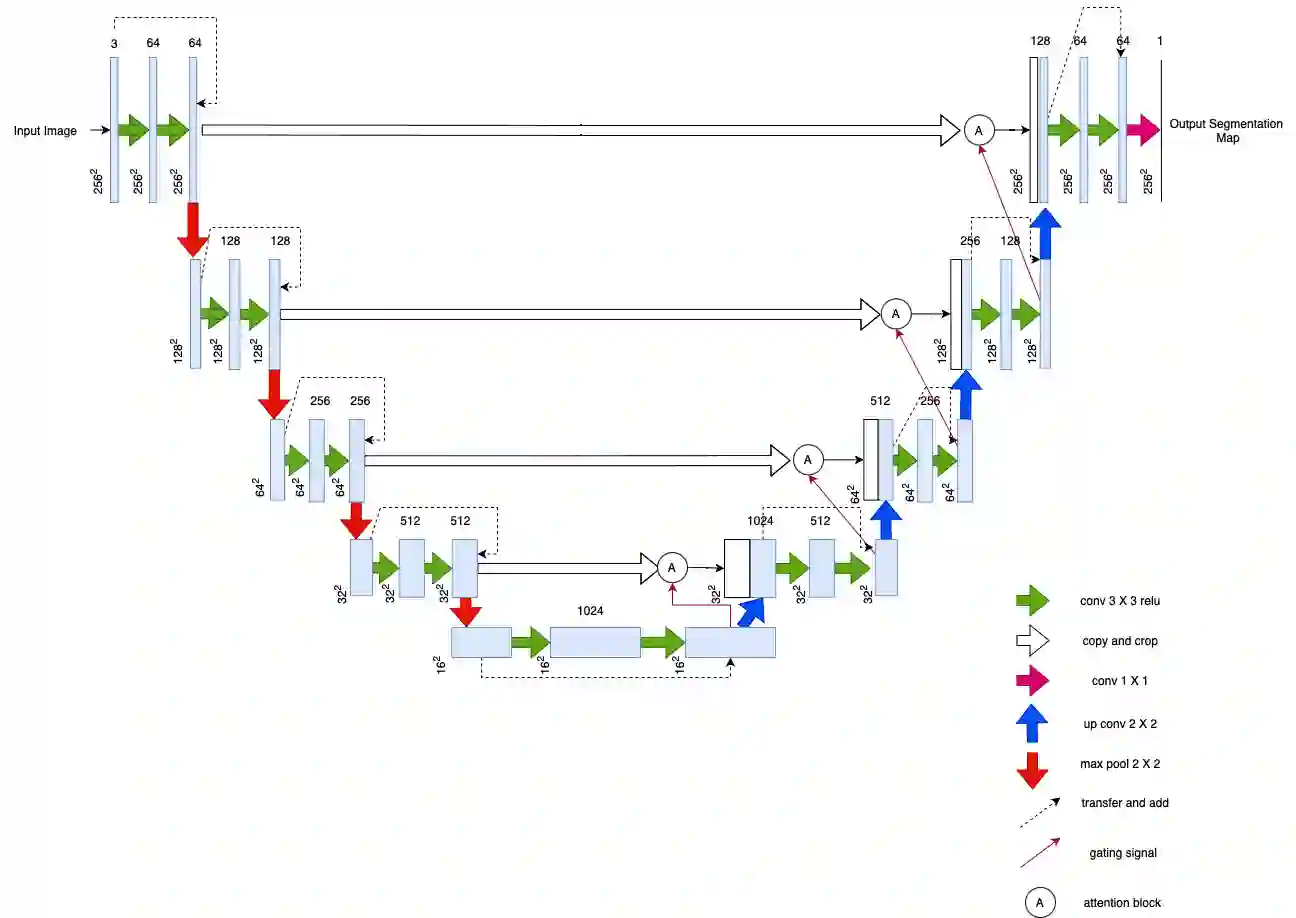
Medical imaging plays a crucial role in modern healthcare by providing non-invasive visualisation of internal structures and abnormalities, enabling early disease detection, accurate diagnosis, and treatment planning. This study aims to explore the application of deep learning models, particularly focusing on the UNet architecture and its variants, in medical image segmentation. We seek to evaluate the performance of these models across various challenging medical image segmentation tasks, addressing issues such as image normalization, resizing, architecture choices, loss function design, and hyperparameter tuning. The findings reveal that the standard UNet, when extended with a deep network layer, is a proficient medical image segmentation model, while the Res-UNet and Attention Res-UNet architectures demonstrate smoother convergence and superior performance, particularly when handling fine image details. The study also addresses the challenge of high class imbalance through careful preprocessing and loss function definitions. We anticipate that the results of this study will provide useful insights for researchers seeking to apply these models to new medical imaging problems and offer guidance and best practices for their implementation.
翻译:医学影像通过提供内部结构和异常的非侵入性可视化,在实现疾病早期检测、精准诊断及治疗规划中发挥着关键作用。本研究旨在探索深度学习模型(特别是UNet架构及其变体)在医学图像分割中的应用。我们系统评估了这些模型在多种具有挑战性的医学图像分割任务中的性能,涉及图像归一化、尺寸调整、架构选择、损失函数设计及超参数调优等关键问题。研究结果表明,标准UNet在扩展深度网络层后展现出优异的医学图像分割能力,而Res-UNet和注意力Res-UNet架构在收敛稳定性及处理精细图像细节方面表现更优。本研究还通过精细的预处理和损失函数定义,成功解决了高类别不平衡问题。我们预计本研究结果将为研究人员将这些模型应用于新的医学成像问题提供有益见解,并为其实施提供指导原则与最佳实践。






相关内容



 微信扫码咨询专知VIP会员