

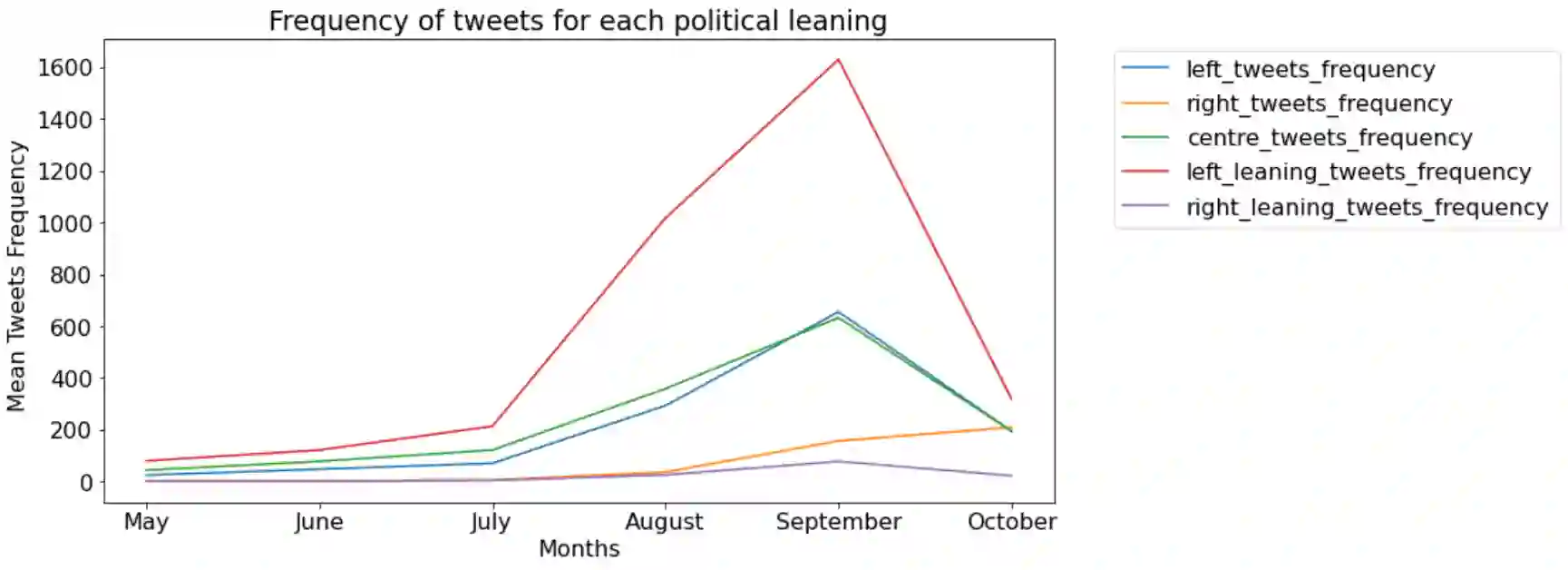
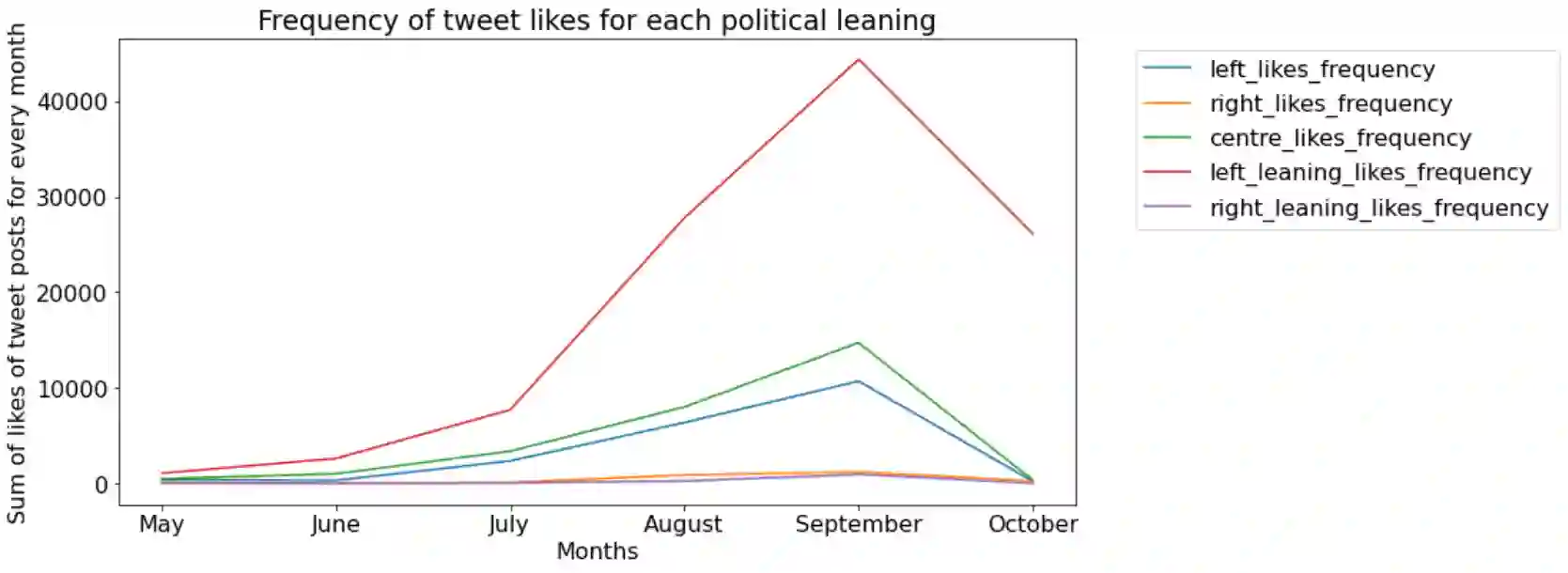
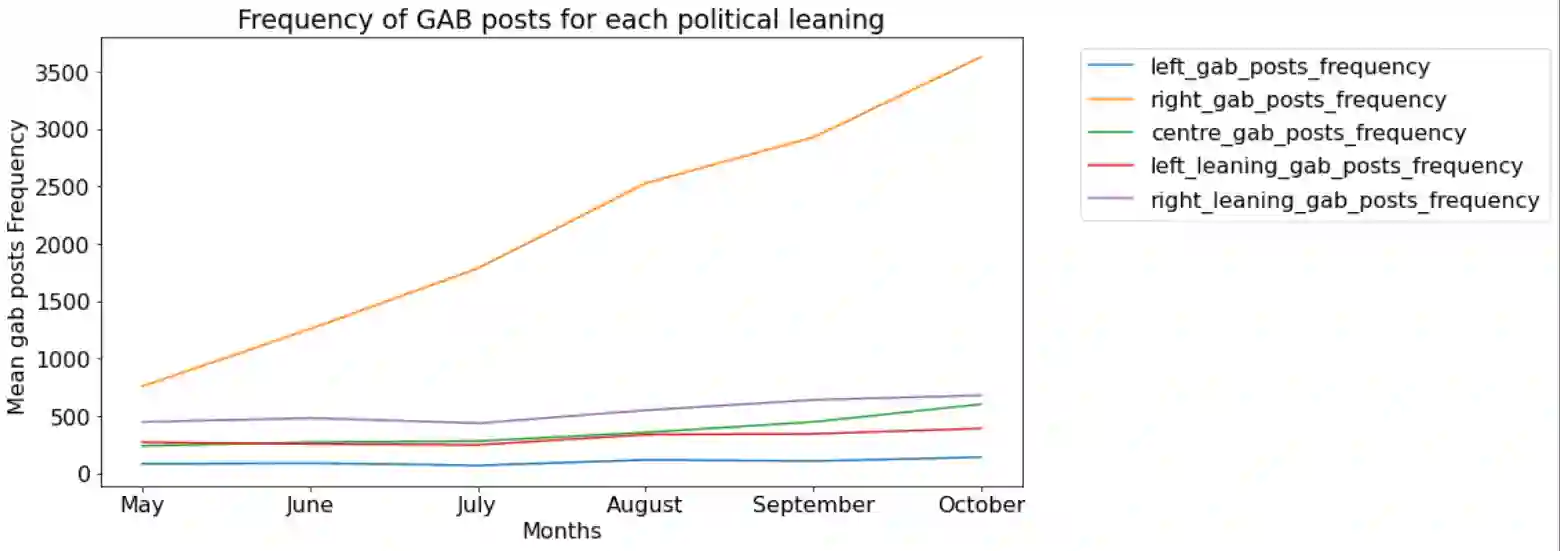
Understanding and mitigating political bias in online social media platforms are crucial tasks to combat misinformation and echo chamber effects. However, characterizing political bias temporally using computational methods presents challenges due to the high frequency of noise in social media datasets. While existing research has explored various approaches to political bias characterization, the ability to forecast political bias and anticipate how political conversations might evolve in the near future has not been extensively studied. In this paper, we propose a heuristic approach to classify social media posts into five distinct political leaning categories. Since there is a lack of prior work on forecasting political bias, we conduct an in-depth analysis of existing baseline models to identify which model best fits to forecast political leaning time series. Our approach involves utilizing existing time series forecasting models on two social media datasets with different political ideologies, specifically Twitter and Gab. Through our experiments and analyses, we seek to shed light on the challenges and opportunities in forecasting political bias in social media platforms. Ultimately, our work aims to pave the way for developing more effective strategies to mitigate the negative impact of political bias in the digital realm.
翻译:理解和缓解在线社交媒体平台中的政治偏见,是应对错误信息和回音室效应的关键任务。然而,由于社交媒体数据集中存在高频噪声,利用计算方法在时间维度上刻画政治偏见面临挑战。尽管现有研究已探索了多种政治偏见刻画方法,但预测政治偏见及预期政治对话近期演变趋势的能力尚未得到广泛研究。本文提出一种启发式方法,将社交媒体帖子分为五个不同的政治倾向类别。鉴于缺乏政治偏见预测方面的前期工作,我们对现有基线模型进行了深入分析,以确定最适合预测政治倾向时间序列的模型。我们的方法是在两个具有不同政治意识形态的社交媒体数据集(即Twitter和Gab)上应用现有的时间序列预测模型。通过实验与分析,我们旨在揭示社交媒体平台中政治偏见预测面临的挑战与机遇。最终,我们的工作旨在为制定更有效的策略以减轻数字领域政治偏见的负面影响铺平道路。






相关内容





 微信扫码咨询专知VIP会员