

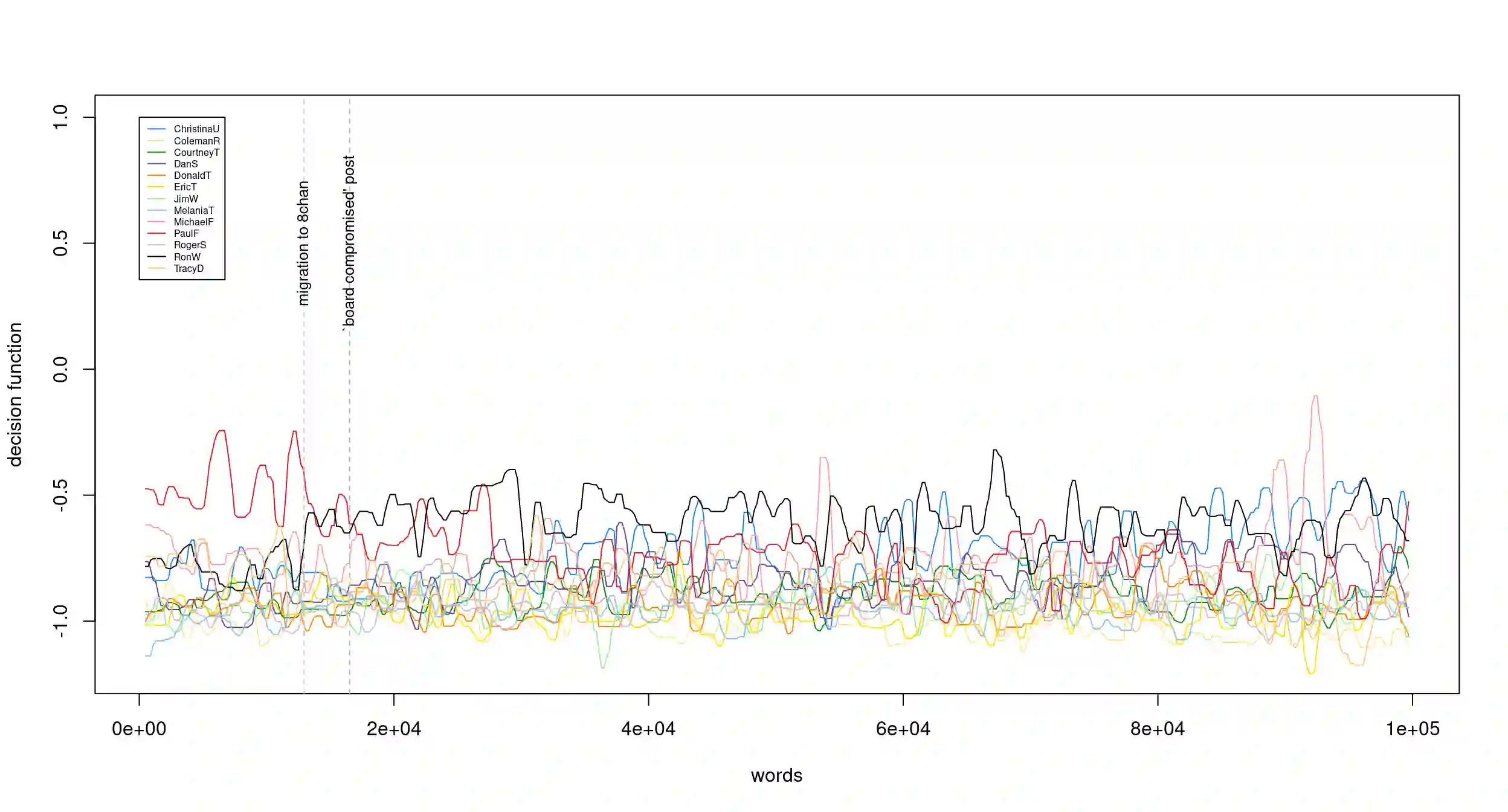
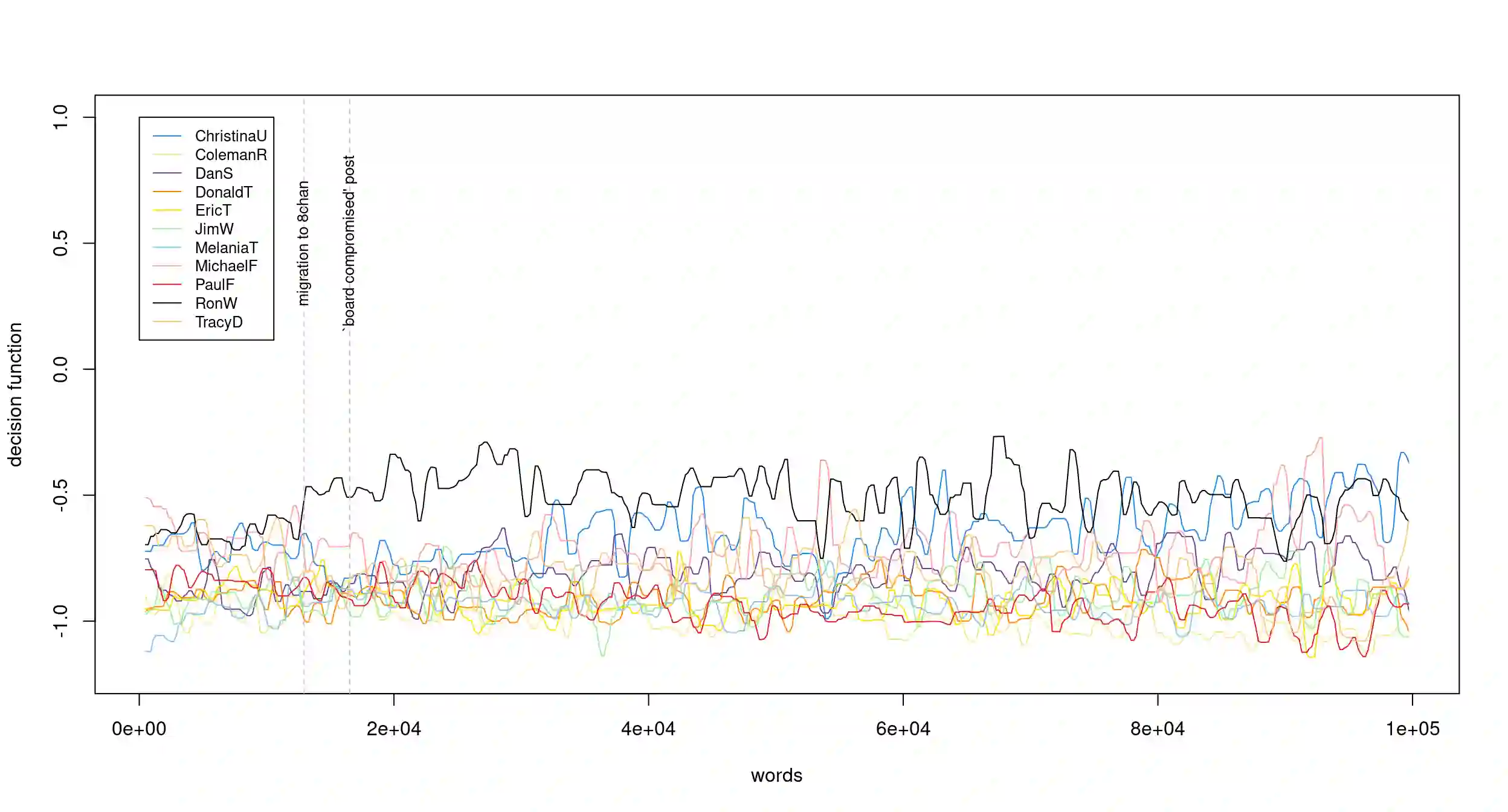
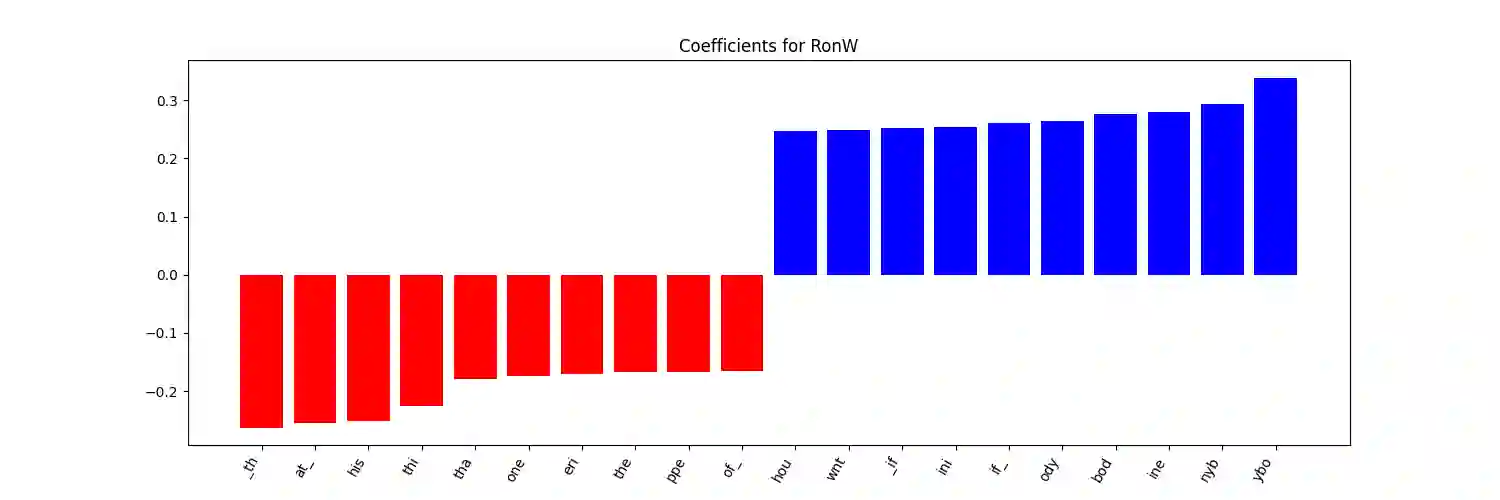
A series of social media posts signed under the pseudonym "Q", started a movement known as QAnon, which led some of its most radical supporters to violent and illegal actions. To identify the person(s) behind Q, we evaluate the coincidence between the linguistic properties of the texts written by Q and to those written by a list of suspects provided by journalistic investigation. To identify the authors of these posts, serious challenges have to be addressed. The "Q drops" are very short texts, written in a way that constitute a sort of literary genre in itself, with very peculiar features of style. These texts might have been written by different authors, whose other writings are often hard to find. After an online ethnology of the movement, necessary to collect enough material written by these thirteen potential authors, we use supervised machine learning to build stylistic profiles for each of them. We then performed a rolling analysis on Q's writings, to see if any of those linguistic profiles match the so-called 'QDrops' in part or entirety. We conclude that two different individuals, Paul F. and Ron W., are the closest match to Q's linguistic signature, and they could have successively written Q's texts. These potential authors are not high-ranked personality from the U.S. administration, but rather social media activists.
翻译:一系列以化名"Q"签署的社交媒体帖子引发了一场名为QAnon的运动,导致其部分极端支持者采取暴力及非法行为。为识别Q背后的实际作者,我们评估了Q所撰文本与新闻调查提供的嫌疑人名单成员所写文本在语言学特征上的契合度。识别这些帖子的作者面临严峻挑战:"Q drops"文本极为简短,其独特的风格特征已自成一种文学体裁。这些文本可能由不同作者撰写,且这些作者的其他作品往往难以搜集。在对该运动进行线上民族志研究以获取足够、十三位潜在作者的文本素材后,我们采用监督式机器学习为每位作者构建风格特征档案。随后对Q的文本进行滚动分析,检验其中是否有某种语言学特征档案与所谓"QDrops"部分或完全匹配。研究结果表明,保罗·F.和罗恩·W.这两个人的语言学特征与Q的书写模式最为接近,他们可能先后撰写了Q的文本。这些潜在作者并非美国行政体系中的高层人物,而是社交媒体活动人士。




相关内容




 微信扫码咨询专知VIP会员