

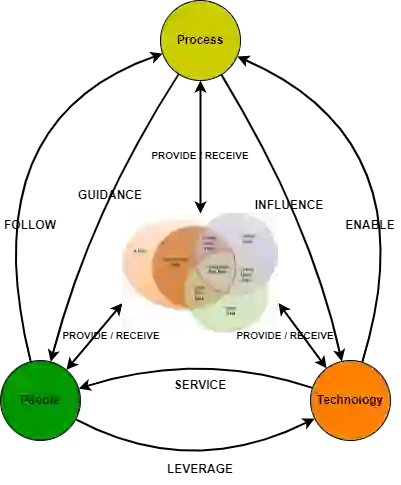
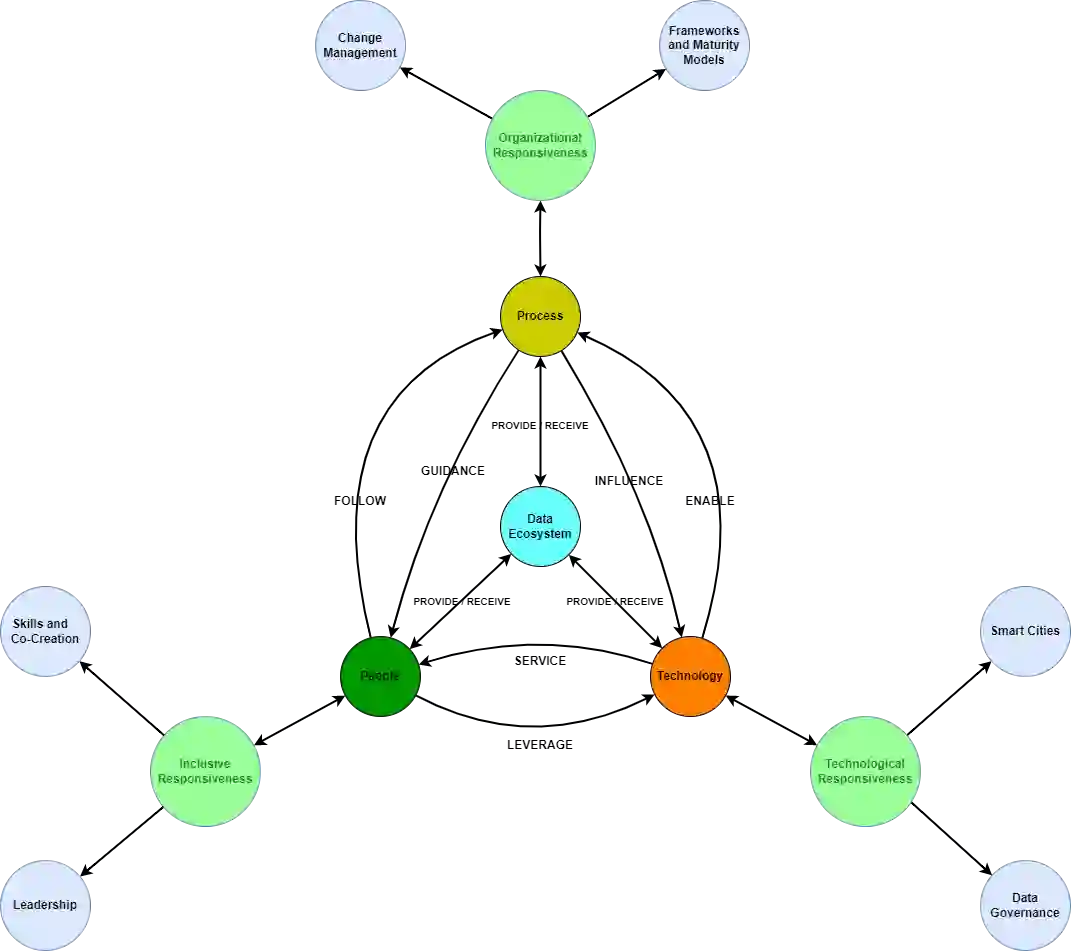
Digital Transformation (DT) is the process of integrating digital technologies and solutions into the activities of an organization, whether public or private. This paper focuses on the DT of public sector organizations, where the targets of innovative digital solutions are either the citizens or the administrative bodies or both. This paper is a guided tour for Computer Scientists, as the digital transformation of the public sector involves more than just the use of technology. While technological innovation is a crucial component of any digital transformation, it is not sufficient on its own. Instead, DT requires a cultural, organizational, and technological shift in the way public sector organizations operate and relate to their users, creating the capabilities within the organization to take full advantage of any opportunity in the fastest, best, and most innovative manner in the ways they operate and relate to the citizens. Our tutorial is based on the results of a survey that we performed as an analysis of scientific literature available in some digital libraries well known to Computer Scientists. Such tutorial let us to identify four key pillars that sustain a successful DT: (open) data, ICT technologies, digital skills of citizens and public administrators, and agile processes for developing new digital services and products. The tutorial discusses the interaction of these pillars and highlights the importance of data as the first and foremost pillar of any DT. We have developed a conceptual map in the form of a graph model to show some basic relationships among these pillars. We discuss the relationships among the four pillars aiming at avoiding the potential negative bias that may arise from a rendering of DT restricted to technology only. We also provide illustrative examples and highlight relevant trends emerging from the current state of the art.
翻译:数字化转型是将数字技术和解决方案整合到组织活动(无论是公共还是私营部门)中的过程。本文聚焦于公共部门组织的数字化转型,其中创新数字解决方案的目标对象是公民、行政机构或两者兼而有之。本文是计算机科学家的指南,因为公共部门数字化转型不仅涉及技术应用。虽然技术创新是任何数字化转型的关键组成部分,但仅靠技术本身并不足够。相反,数字化转型需要公共部门组织的运营方式及其与用户互动关系发生文化、组织和技术层面的变革,在组织内部建立能力,以最快、最佳且最具创新性的方式充分利用各种机遇,改善运营方式及与公民的互动关系。本教程基于我们对计算机科学家熟知的若干数字图书馆中现有科学文献的分析调查结果。该教程确定了支撑成功数字化转型的四个关键支柱:(开放)数据、ICT技术、公民和公共管理者的数字技能,以及开发新数字服务和产品的敏捷流程。教程探讨了这些支柱间的相互作用,并强调数据作为任何数字化转型首要支柱的重要性。我们以图形模型的形式开发了概念图谱,以展示这些支柱间的基本关系。我们讨论四个支柱间的关联,旨在避免将数字化转型仅局限于技术视角可能产生的负面偏差。同时提供实例说明,并梳理当前技术发展现状中涌现的相关趋势。




相关内容





 微信扫码咨询专知VIP会员