

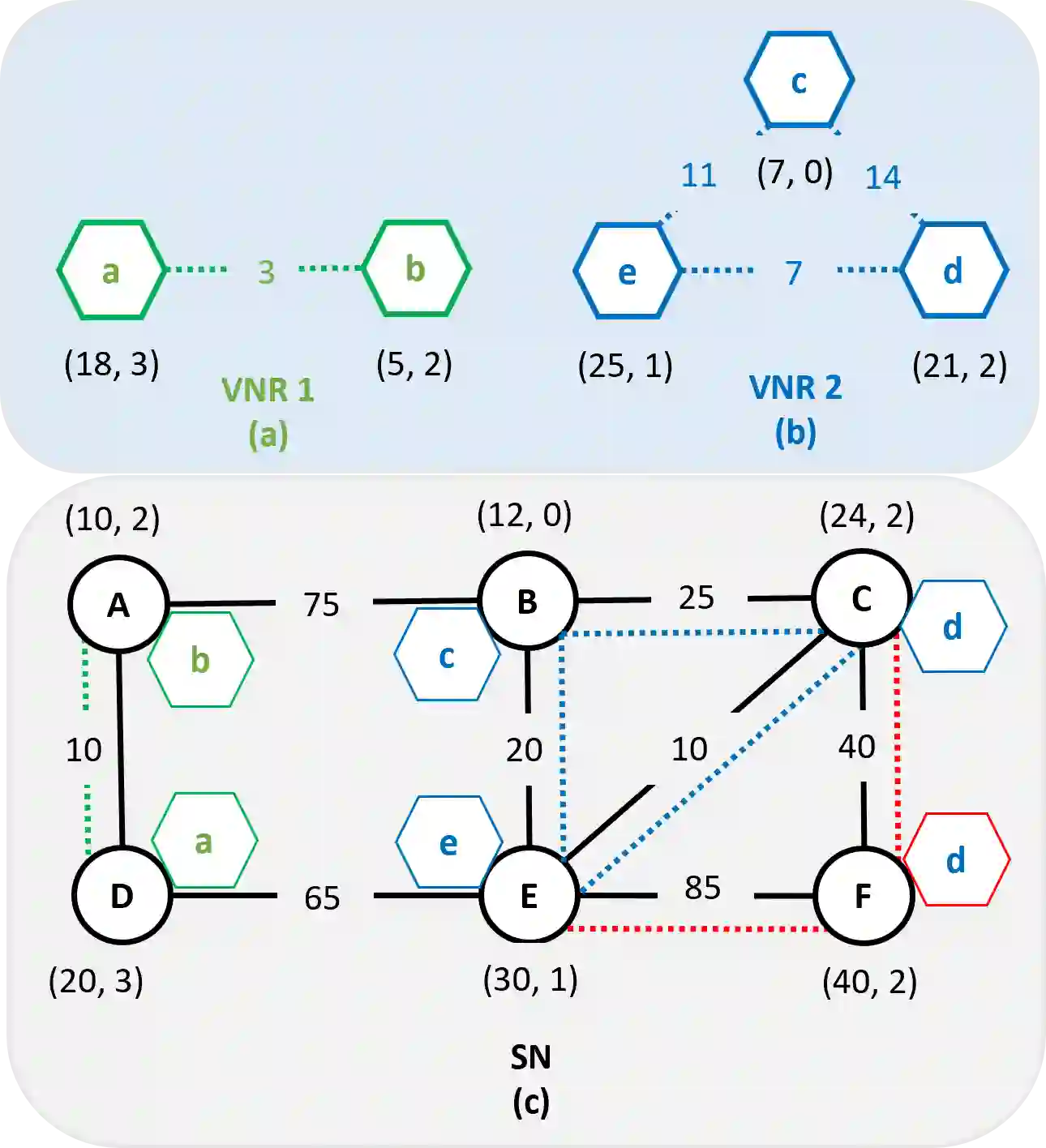
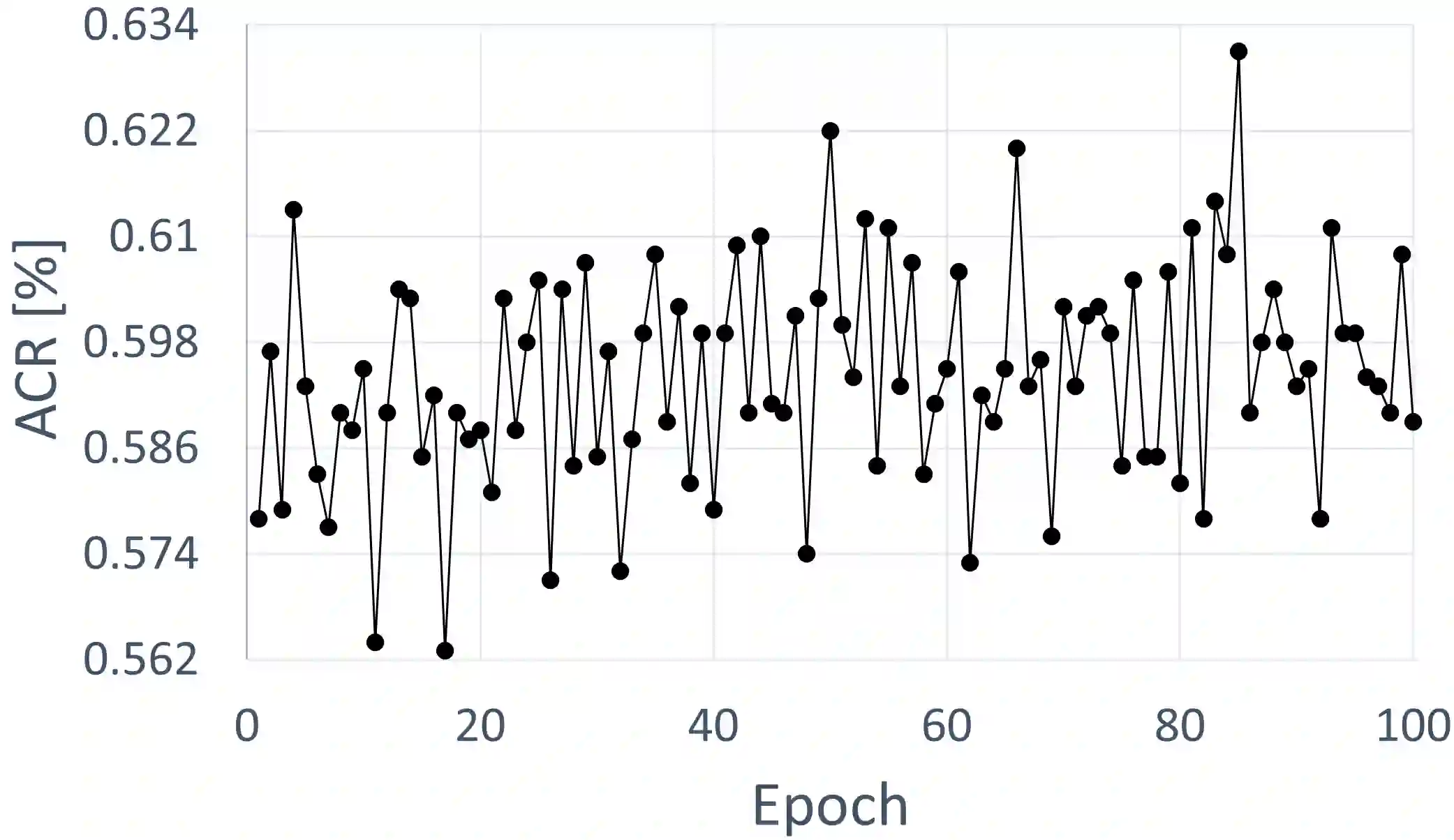
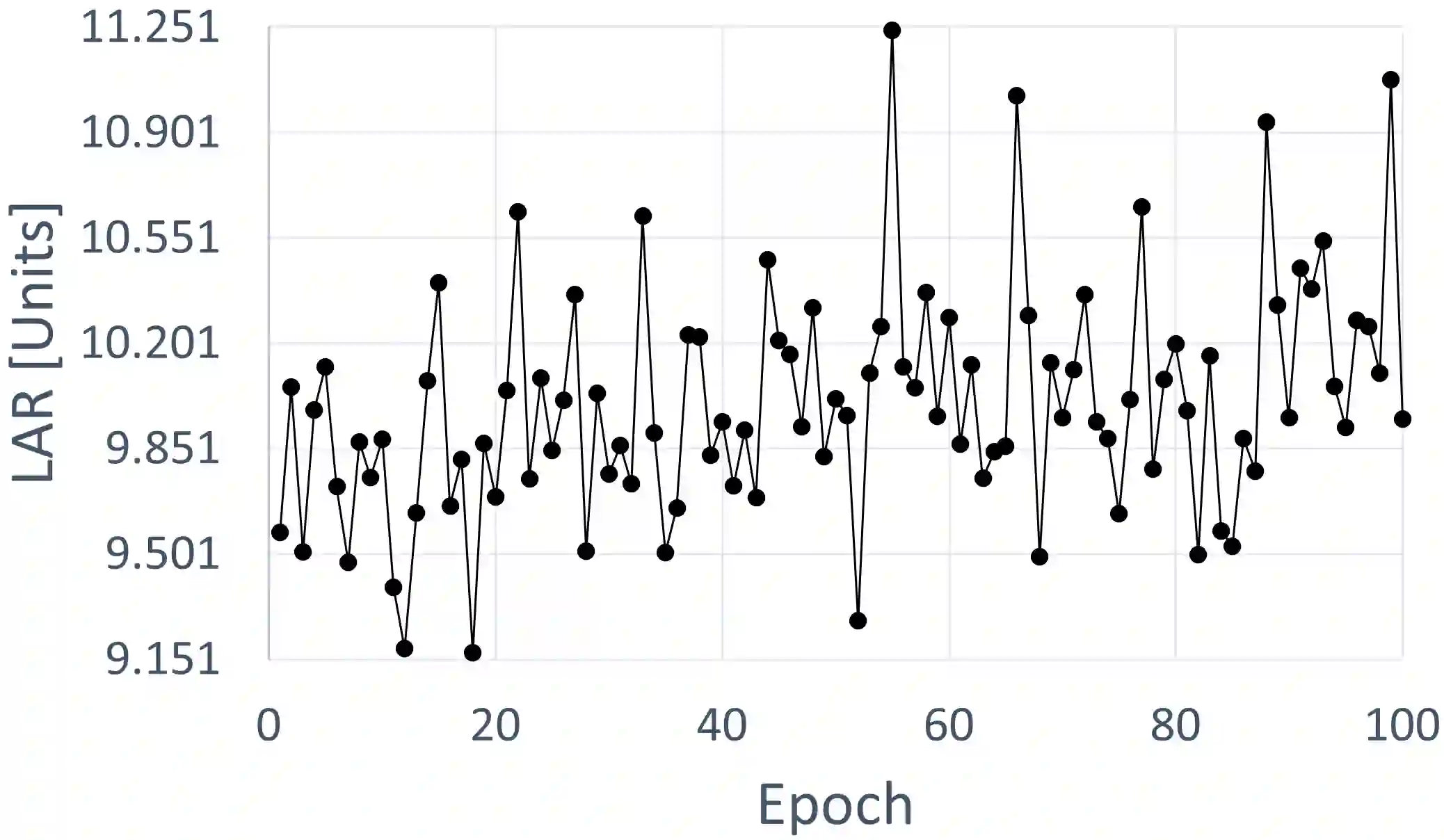
Virtualization technologies are the foundation of modern ICT infrastructure, enabling service providers to create dedicated virtual networks (VNs) that can support a wide range of smart city applications. These VNs continuously generate massive amounts of data, necessitating stringent reliability and security requirements. In virtualized network environments, however, multiple VNs may coexist on the same physical infrastructure and, if not properly isolated, may interfere with or provide unauthorized access to one another. The former causes performance degradation, while the latter compromises the security of VNs. Service assurance for infrastructure providers becomes significantly more complicated when a specific VN violates the isolation requirement. In an effort to address the isolation issue, this paper proposes isolation during virtual network embedding (VNE), the procedure of allocating VNs onto physical infrastructure. We define a simple abstracted concept of isolation levels to capture the variations in isolation requirements and then formulate isolation-aware VNE as an optimization problem with resource and isolation constraints. A deep reinforcement learning (DRL)-based VNE algorithm ISO-DRL_VNE, is proposed that considers resource and isolation constraints and is compared to the existing three state-of-the-art algorithms: NodeRank, Global Resource Capacity (GRC), and Mote-Carlo Tree Search (MCTS). Evaluation results show that the ISO-DRL_VNE algorithm outperforms others in acceptance ratio, long-term average revenue, and long-term average revenue-to-cost ratio by 6%, 13%, and 15%.
翻译:虚拟化技术是现代信息通信技术(ICT)基础设施的基石,使服务提供商能够创建支持广泛智慧城市应用的专用虚拟网络(VN)。这些虚拟网络持续生成海量数据,因此对可靠性和安全性提出了严格要求。然而,在虚拟化网络环境中,多个虚拟网络可能共存于同一物理基础设施之上,若未能实现适当的隔离,它们可能相互干扰或提供未授权访问。前者会导致性能下降,后者则会危害虚拟网络的安全性。当特定虚拟网络违反隔离要求时,基础设施提供商的服务保障将变得极为复杂。为解决隔离问题,本文提出在虚拟网络映射(VNE)过程中实现隔离,该过程是将虚拟网络分配至物理基础设施的流程。我们定义了隔离等级的简单抽象化概念以捕捉隔离要求的差异性,进而将隔离感知的虚拟网络映射形式化为具有资源和隔离约束的优化问题。提出了一种基于深度强化学习的VNE算法ISO-DRL_VNE,该算法考虑了资源和隔离约束,并与现有三种最先进算法——NodeRank、全局资源容量(GRC)和蒙特卡洛树搜索(MCTS)——进行了对比。评估结果表明,ISO-DRL_VNE算法在接纳率、长期平均收益和长期平均收益成本比方面分别比其他算法高出6%、13%和15%。






相关内容




 微信扫码咨询专知VIP会员