

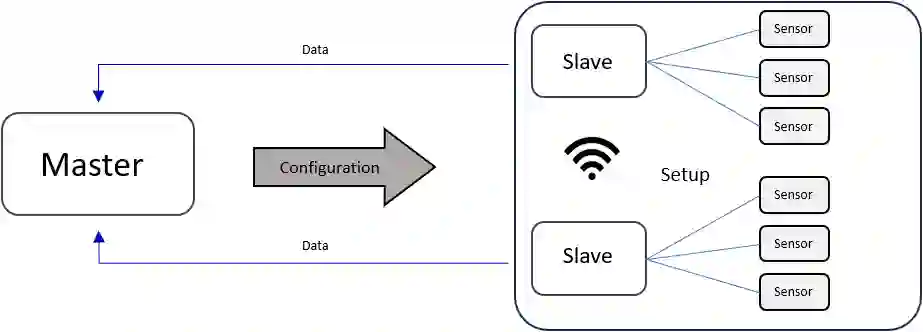
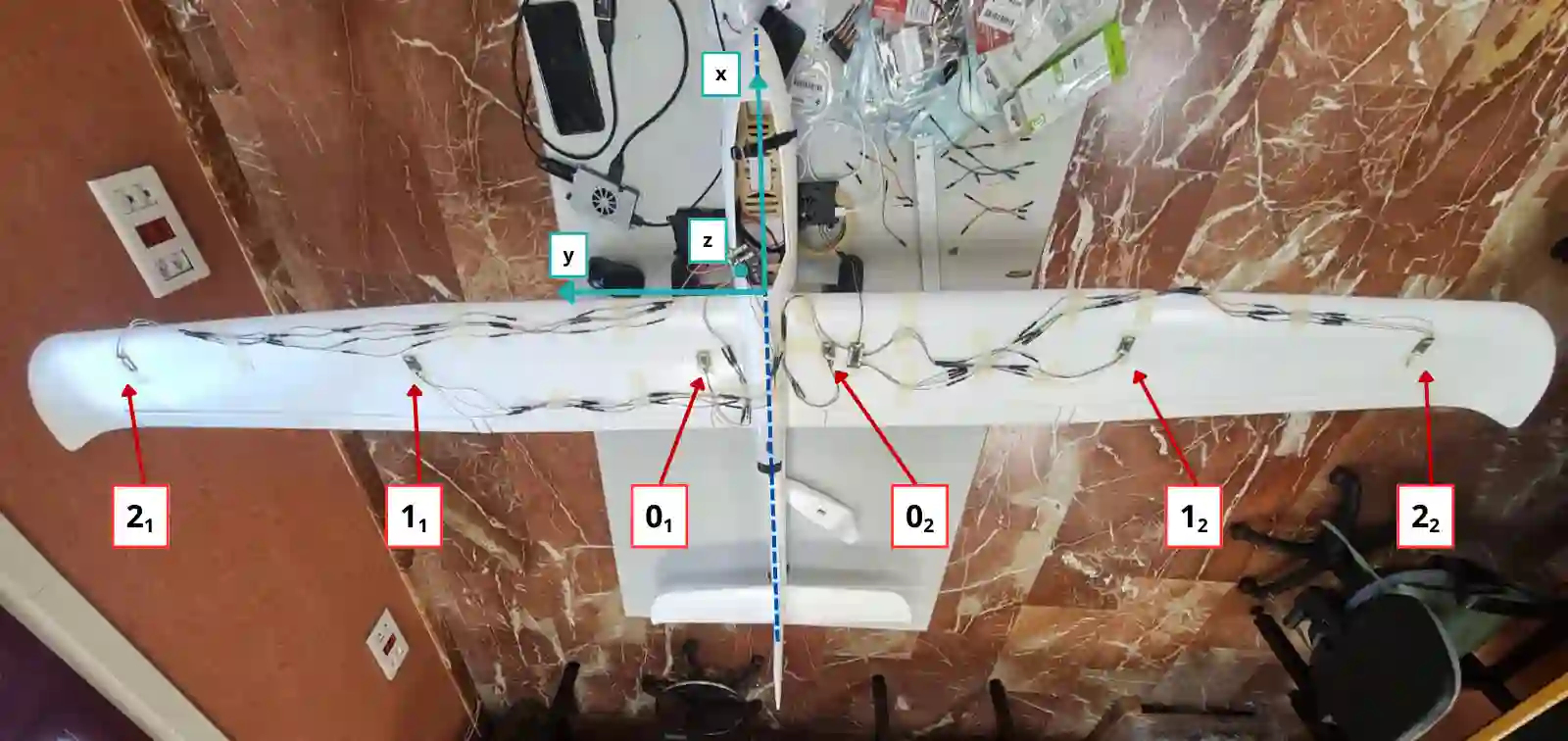
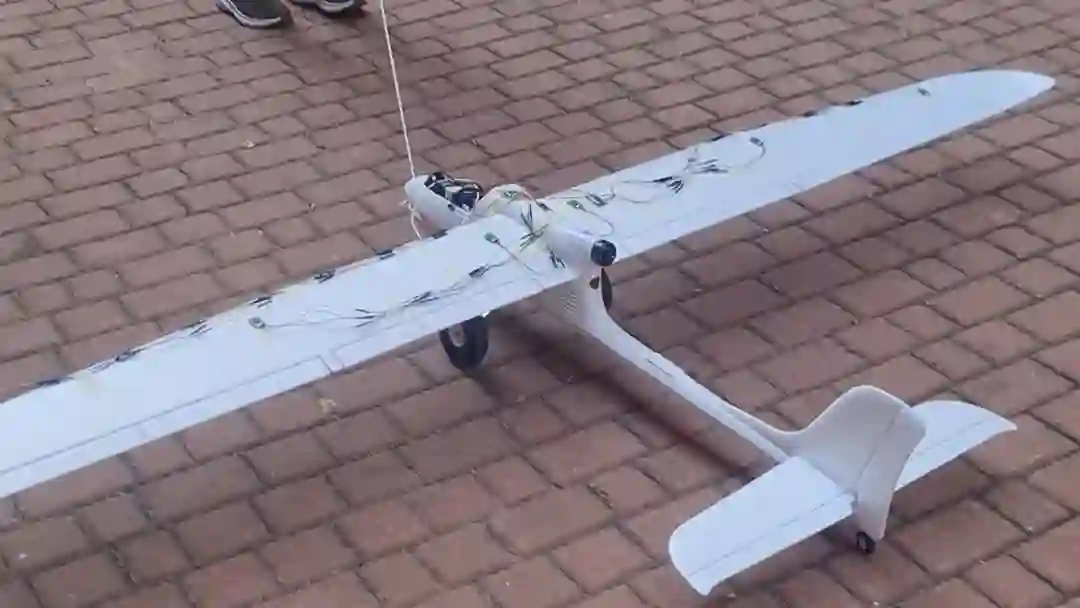
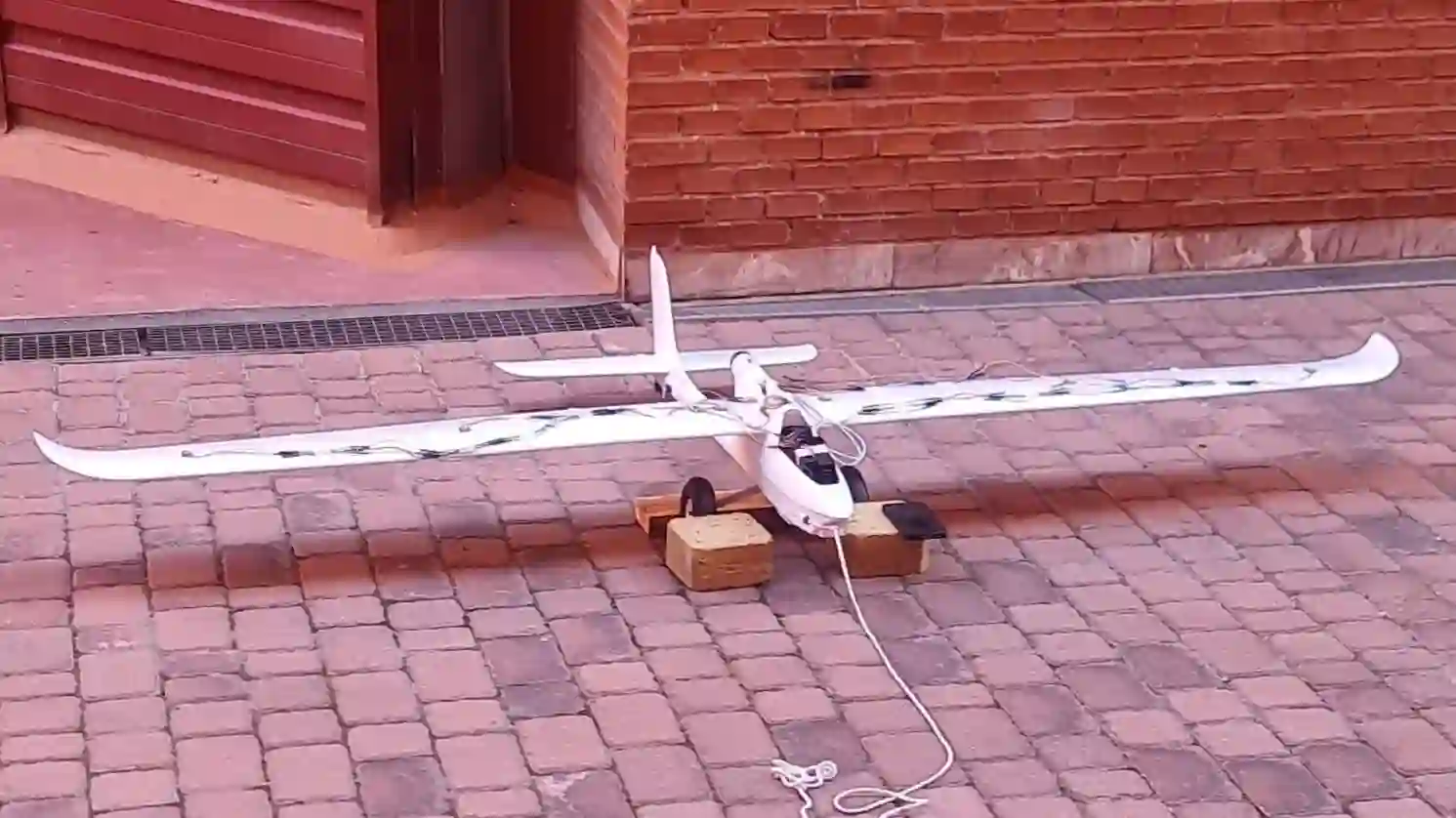
Structural vibration testing plays a key role in aerospace engineering for evaluating dynamic behaviour, ensuring reliability and verifying structural integrity. These tests rely on accurate and robust data acquisition systems (DAQ) to capture high-quality acceleration data. However, commercial DAQs that provide the required performance and features are often expensive and complex, limiting their accessibility for small-scale research and experimental applications. This work presents the design and experimental validation of an affordable and in-house-developed acceleration DAQ, tested on a small fixed-wing UAV through several Taxi Vibration Test (TVT) runs and ambient vibration measurements. The proposed system integrates several OrangePi 3 LTS single-board computers with multiple LSM6DS3TR-C MEMS inertial measurement units operating simultaneously via an Inter-Integrated Circuit (I2C) communication interface, managed under a Python-based master/slave architecture. Data is acquired at a stable sampling rate of approximately 208 Hz and post-processed using Welch's method to estimate their Power Spectral Density (PSD). Results confirm the system ability to provide consistent multi-sensor acceleration data and repeatable PSD profiles under the same test conditions; thus, demonstrating its reliability. With a total hardware cost below 600 EUR (approximately 690 USD), the developed DAQ offers a compact, scalable and cost-effective alternative for aerospace vibration analysis and structural testing.
翻译:结构振动测试在航空航天工程中对于评估动态行为、确保可靠性及验证结构完整性具有关键作用。此类测试依赖于精确鲁棒的数据采集系统以获取高质量加速度数据。然而,具备所需性能与功能的商用数据采集系统通常价格昂贵且结构复杂,限制了其在小规模研究与实验应用中的可及性。本研究提出了一种低成本自主开发的加速度数据采集系统,通过多次滑行振动测试及环境振动测量,在小型固定翼无人机上完成了系统设计与实验验证。该系统集成了多台OrangePi 3 LTS单板计算机与多个LSM6DS3TR-C MEMS惯性测量单元,通过I2C通信接口实现同步运行,并在基于Python的主从架构下进行管理。数据以约208 Hz的稳定采样率采集,并采用韦尔奇法进行后处理以估算其功率谱密度。实验结果证实该系统能够在相同测试条件下提供一致的多传感器加速度数据与可重复的功率谱密度曲线,从而验证了其可靠性。该数据采集系统总硬件成本低于600欧元(约690美元),为航空航天振动分析与结构测试提供了一种紧凑、可扩展且经济高效的解决方案。




相关内容



 微信扫码咨询专知VIP会员