

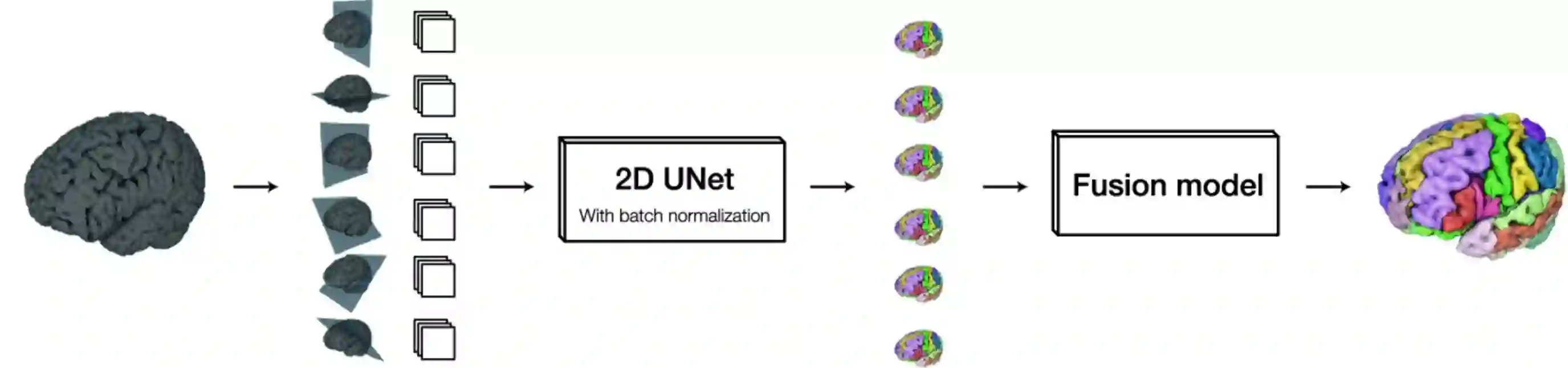
Automated segmentation of distinct tumor regions is critical for accurate diagnosis and treatment planning in pediatric brain tumors. This study evaluates the efficacy of the Multi-Planner U-Net (MPUnet) approach in segmenting different tumor subregions across three challenging datasets: Pediatrics Tumor Challenge (PED), Brain Metastasis Challenge (MET), and Sub-Sahara-Africa Adult Glioma (SSA). These datasets represent diverse scenarios and anatomical variations, making them suitable for assessing the robustness and generalization capabilities of the MPUnet model. By utilizing multi-planar information, the MPUnet architecture aims to enhance segmentation accuracy. Our results show varying performance levels across the evaluated challenges, with the tumor core (TC) class demonstrating relatively higher segmentation accuracy. However, variability is observed in the segmentation of other classes, such as the edema and enhancing tumor (ET) regions. These findings emphasize the complexity of brain tumor segmentation and highlight the potential for further refinement of the MPUnet approach and inclusion of MRI more data and preprocessing.
翻译:自动分割不同肿瘤区域对于儿童脑肿瘤的精准诊断和治疗规划至关重要。本研究评估了多平面U-Net(MPUnet)方法在三个具有挑战性的数据集中分割不同肿瘤子区域的有效性:儿科肿瘤挑战赛(PED)、脑转移瘤挑战赛(MET)和撒哈拉以南非洲成人胶质瘤(SSA)。这些数据集代表了多样化的场景和解剖变异,适合评估MPUnet模型的鲁棒性和泛化能力。通过利用多平面信息,MPUnet架构旨在提高分割精度。我们的结果显示,在评估的挑战中性能水平存在差异,其中肿瘤核心(TC)类别的分割精度相对较高。然而,其他类别(如水肿和增强肿瘤(ET)区域)的分割存在变异性。这些发现强调了脑肿瘤分割的复杂性,并凸显了进一步优化MPUnet方法以及纳入更多MRI数据和预处理的潜力。




相关内容



 微信扫码咨询专知VIP会员