

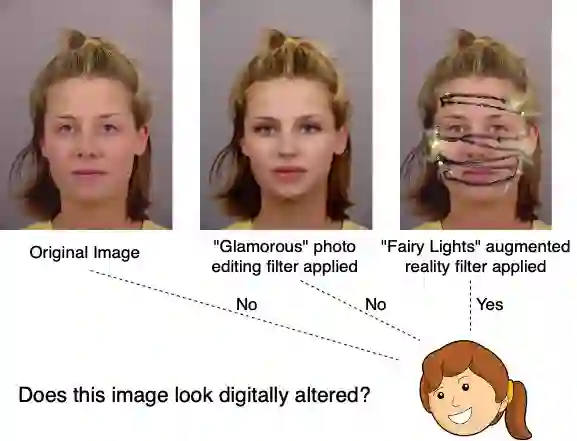
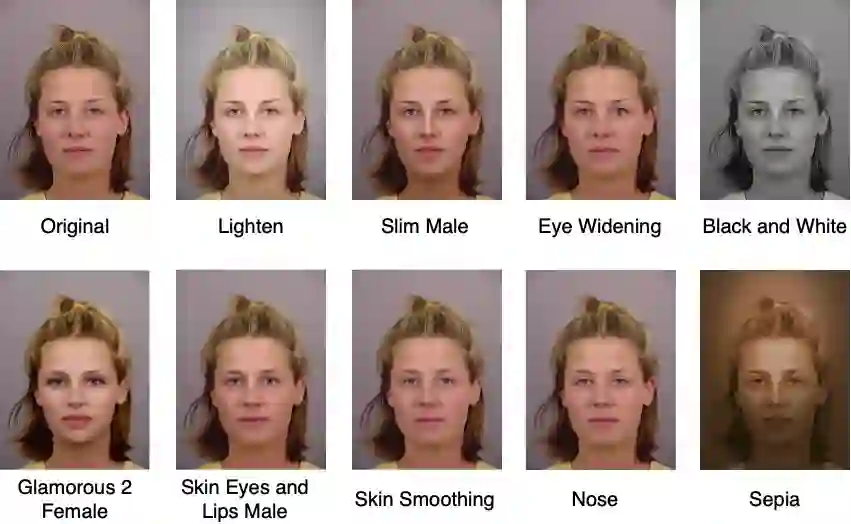
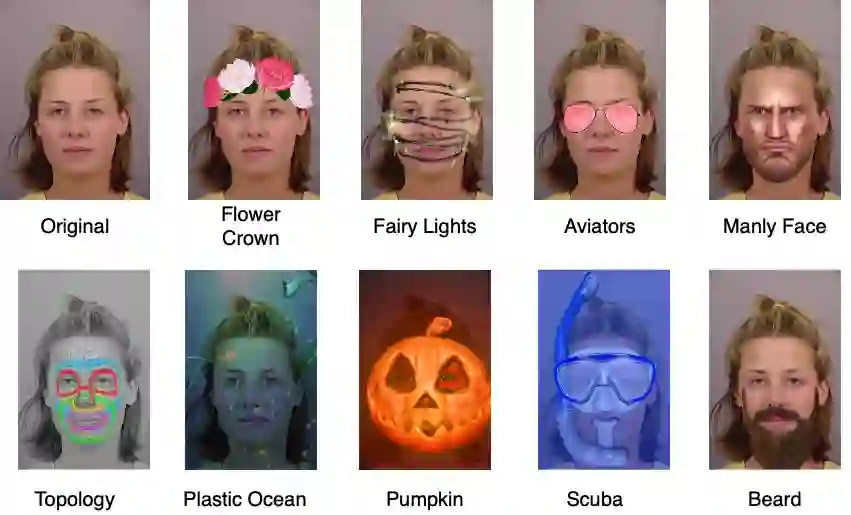
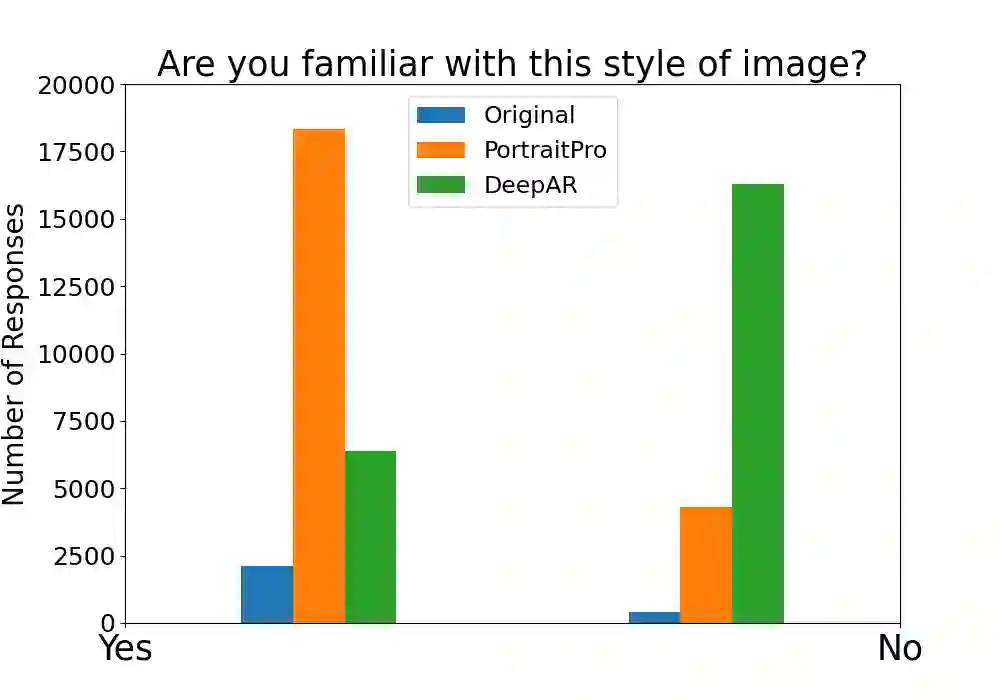
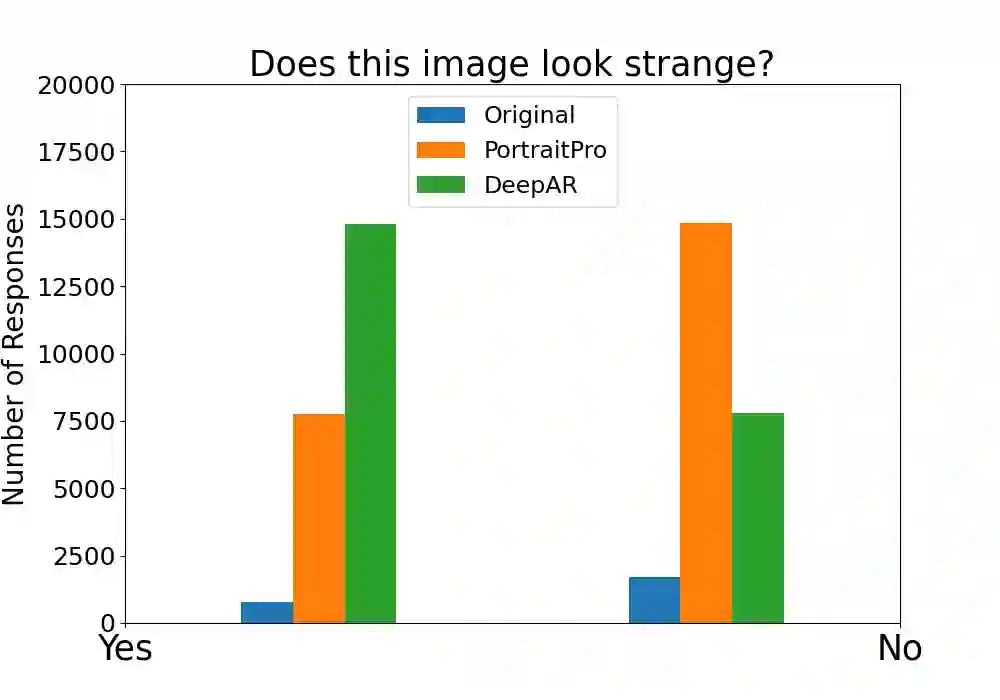
Augmented reality and other photo editing filters are popular methods used to modify images, especially images of faces, posted online. Considering the important role of human facial perception in social communication, how does exposure to an increasing number of modified faces online affect human facial perception? In this paper we present the results of six surveys designed to measure familiarity with different styles of facial filters, perceived strangeness of faces edited with different facial filters, and ability to discern whether images are filtered or not. Our results indicate that faces filtered with photo editing filters that change the image color tones, modify facial structure, or add facial beautification tend to be perceived similarly to unmodified faces; however, faces filtered with augmented reality filters (\textit{i.e.,} filters that overlay digital objects) are perceived differently from unmodified faces. We also found that responses differed based on different survey question phrasings, indicating that the shift in facial perception due to the prevalence of filtered images is noisy to detect. A better understanding of shifts in facial perception caused by facial filters will help us build online spaces more responsibly and could inform the training of more accurate and equitable facial recognition models, especially those trained with human psychophysical annotations.
翻译:增强现实及其他照片编辑滤镜是修改图像(尤其是人脸图像)的常用方法,这些图像被广泛发布在网络上。考虑到人脸感知在社会交流中的重要作用,接触越来越多的经修改的面孔会对人类的人脸感知产生何种影响?本文展示了六项调查的结果,这些调查旨在测量受试者对不同风格人脸滤镜的熟悉程度、对不同滤镜修改后面孔感知到的怪异程度,以及辨别图像是否经过滤镜处理的能力。我们的结果表明,通过改变图像色调、调整面部结构或添加面部美化功能的照片编辑滤镜处理过的面孔,在感知上与未修改的面孔相似;然而,通过增强现实滤镜(即叠加数字对象的滤镜)处理过的面孔在感知上不同于未修改的面孔。我们还发现,不同调查问题的措辞会导致不同的回答,这表明由于滤镜图像的普遍存在所导致的人脸感知变化难以清晰检测。更好地理解由人脸滤镜引起的人脸感知变化,将有助于我们更负责任地构建在线空间,并可为训练更准确、更公平的人脸识别模型(尤其是那些基于人类心理物理标注训练的模型)提供参考。




相关内容



 微信扫码咨询专知VIP会员