

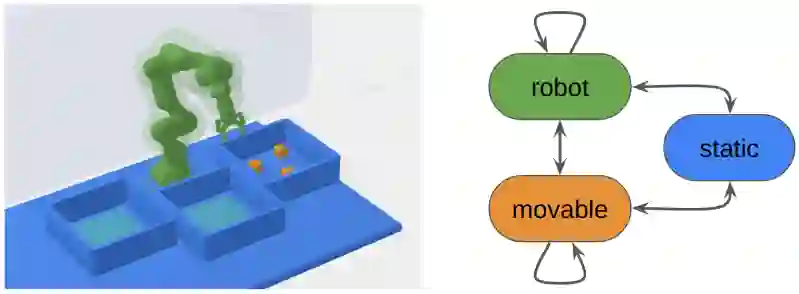
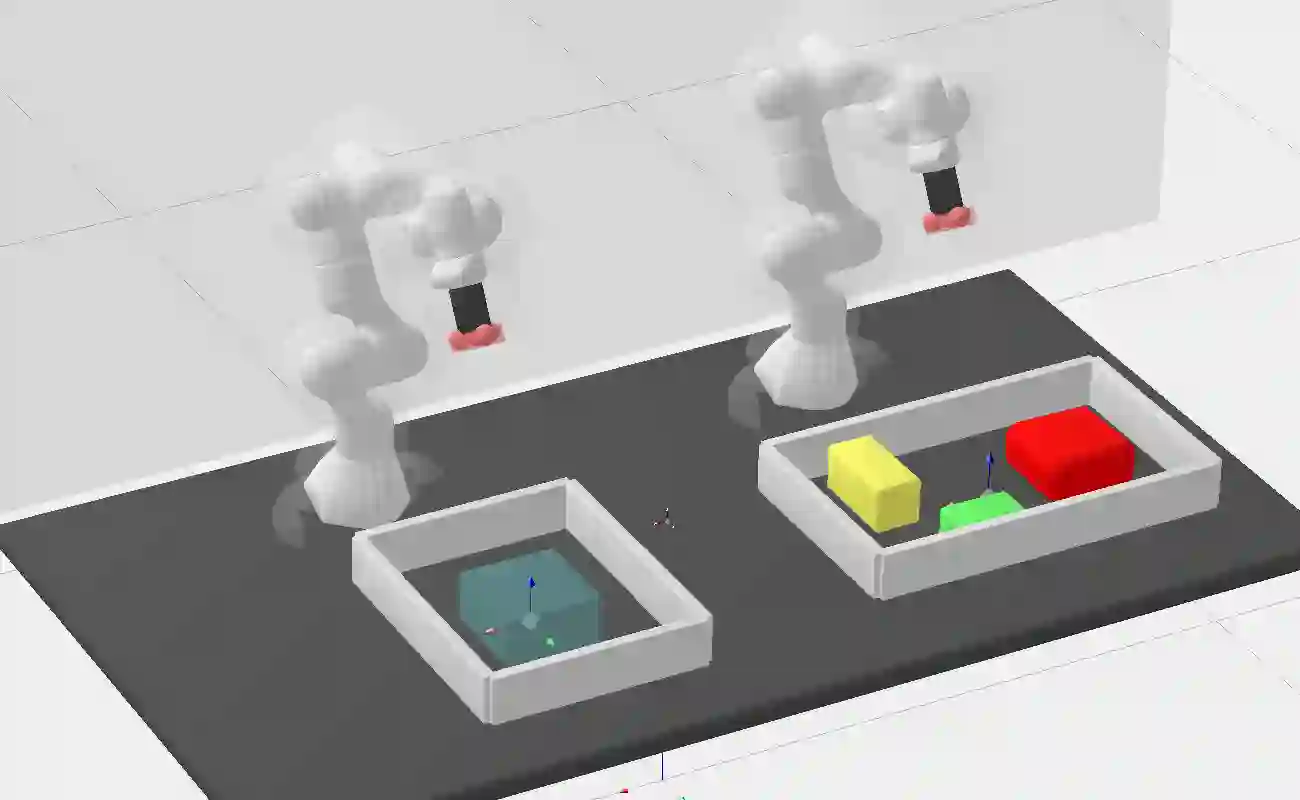
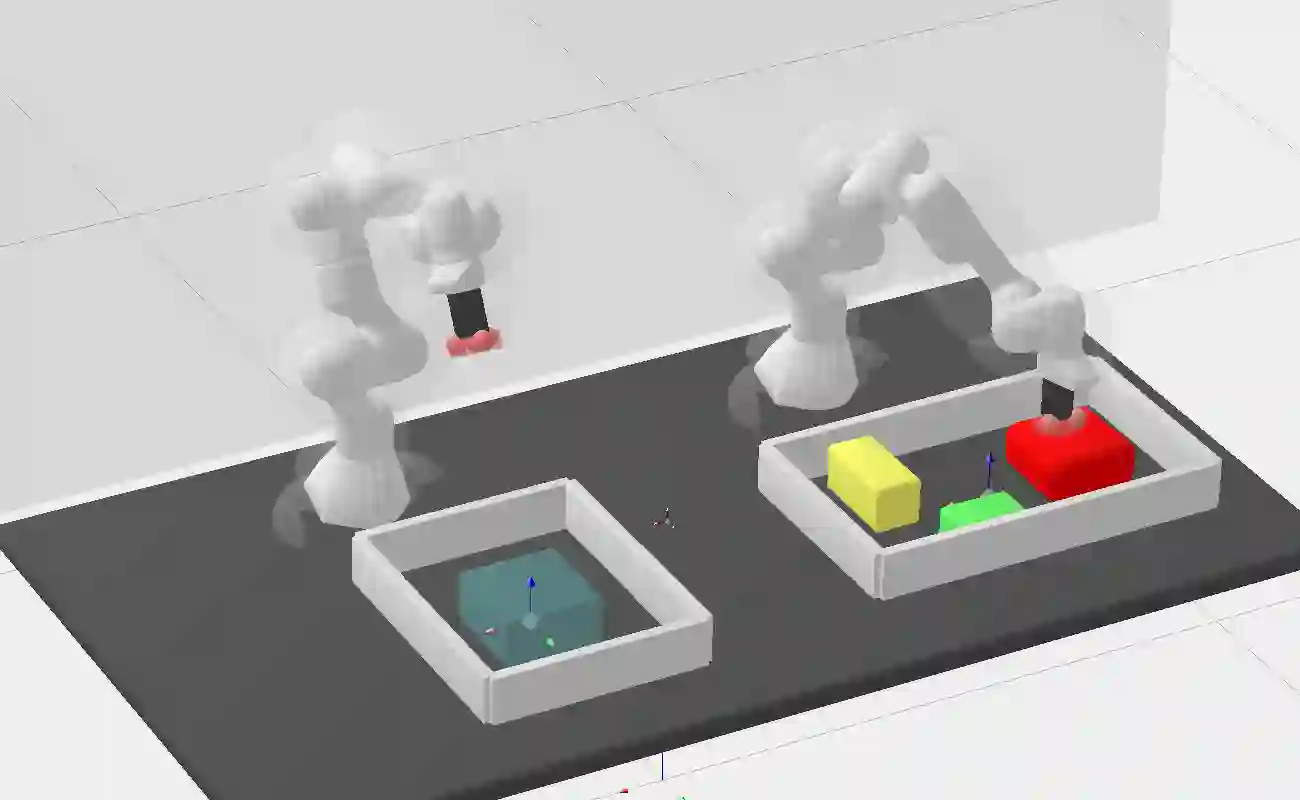
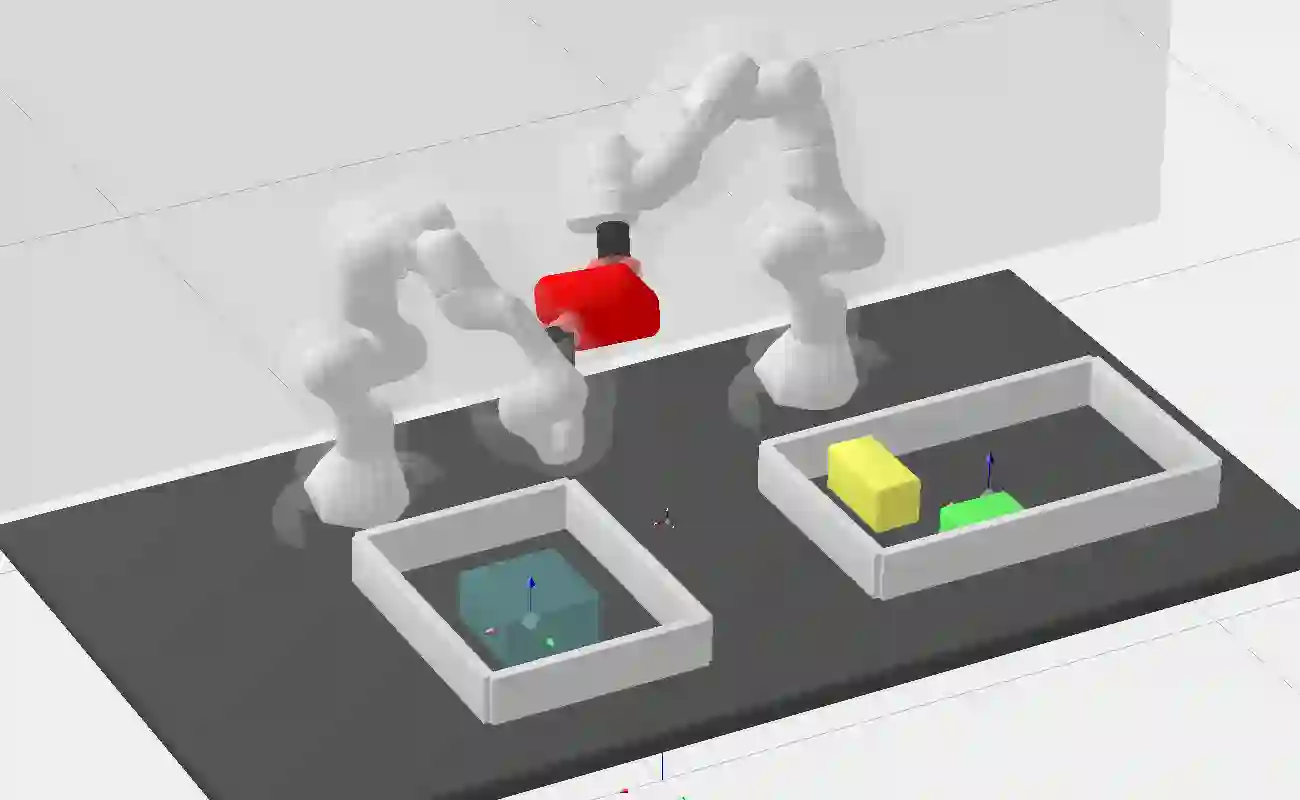
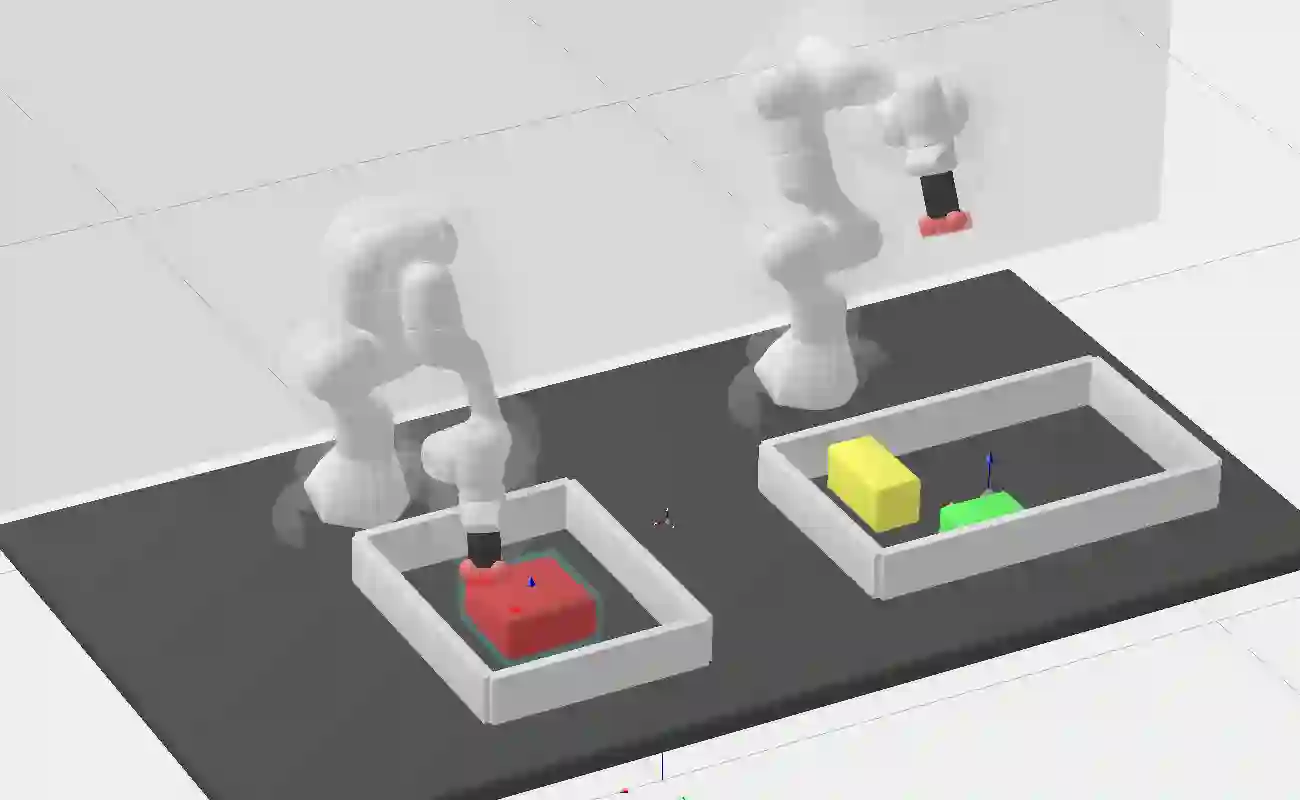
The path planning problems arising in manipulation planning and in task and motion planning settings are typically repetitive: the same manipulator moves in a space that only changes slightly. Despite this potential for reuse of information, few planners fully exploit the available information. To better enable this reuse, we decompose the collision checking into reusable, and non-reusable parts. We then treat the sequences of path planning problems in manipulation planning as a multiquery path planning problem. This allows the usage of planners that actively minimize planning effort over multiple queries, and by doing so, actively reuse previous knowledge. We implement this approach in EIRM* and effort ordered LazyPRM*, and benchmark it on multiple simulated robotic examples. Further, we show that the approach of decomposing collision checks additionally enables the reuse of the gained knowledge over multiple different instances of the same problem, i.e., in a multiquery manipulation planning scenario. The planners using the decomposed collision checking outperform the other planners in initial solution time by up to a factor of two while providing a similar solution quality.
翻译:机械臂操作规划以及任务与运动规划场景中出现的路径规划问题通常具有重复性:同一机械臂在仅发生微小变化的空间中运动。尽管存在这种信息复用的潜力,但很少有规划器能够充分利用已有信息。为了更好地实现这种复用,我们将碰撞检测分解为可复用部分和不可复用部分。随后,将机械臂操作规划中的路径规划问题序列视为多查询路径规划问题。这使得可以采用能够主动最小化多查询规划代价的规划器,从而主动复用先验知识。我们在EIRM*和有序化LazyPRM*中实现该方法,并在多个仿真机器人案例上进行了基准测试。进一步研究表明,分解碰撞检测的方法还能实现同一问题不同实例间(即多查询机械臂操作规划场景中)所获知识的复用。采用分解碰撞检测的规划器在初始解求解时间上比其他规划器快达两倍,同时提供相近的解质量。




相关内容



 微信扫码咨询专知VIP会员