

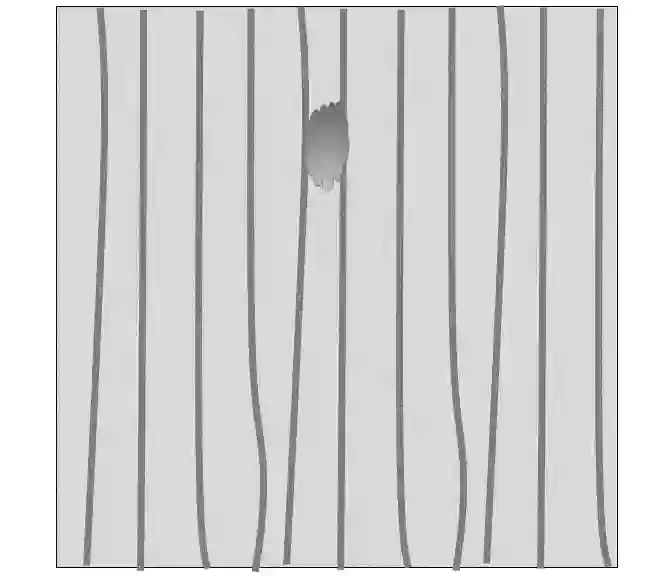
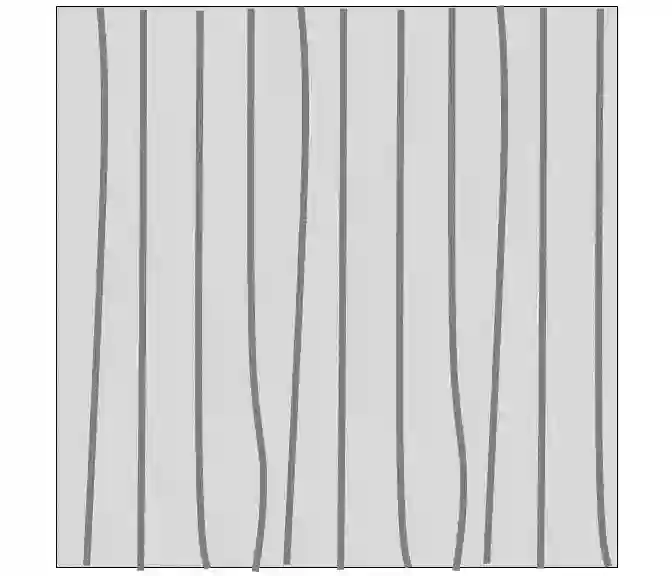
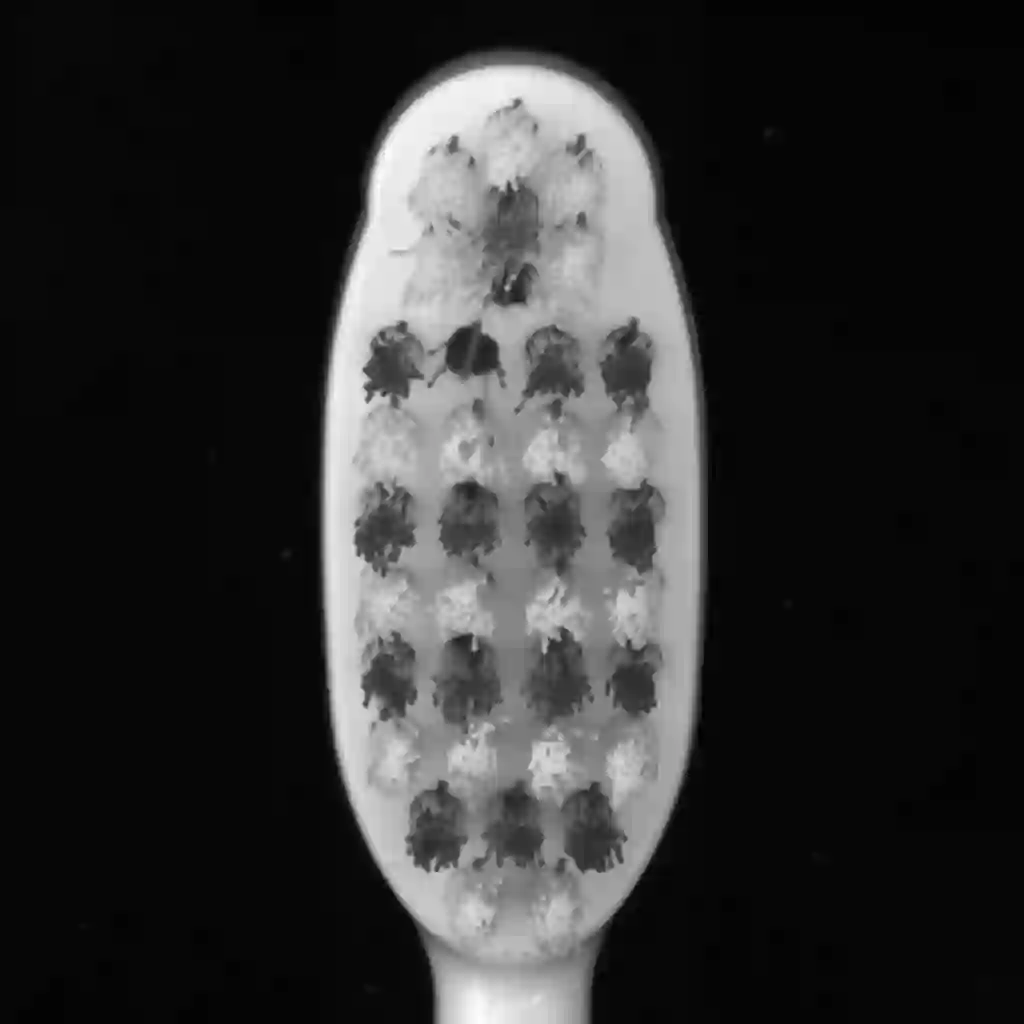
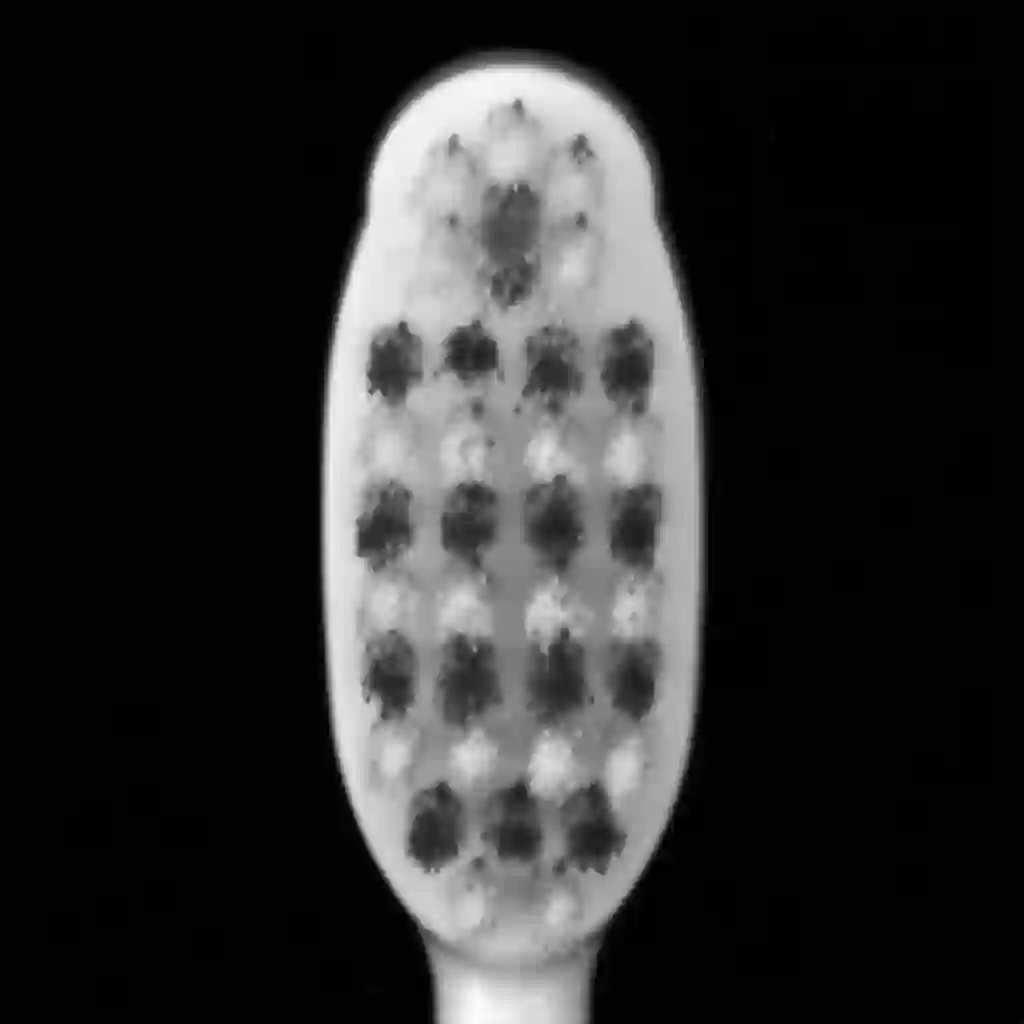
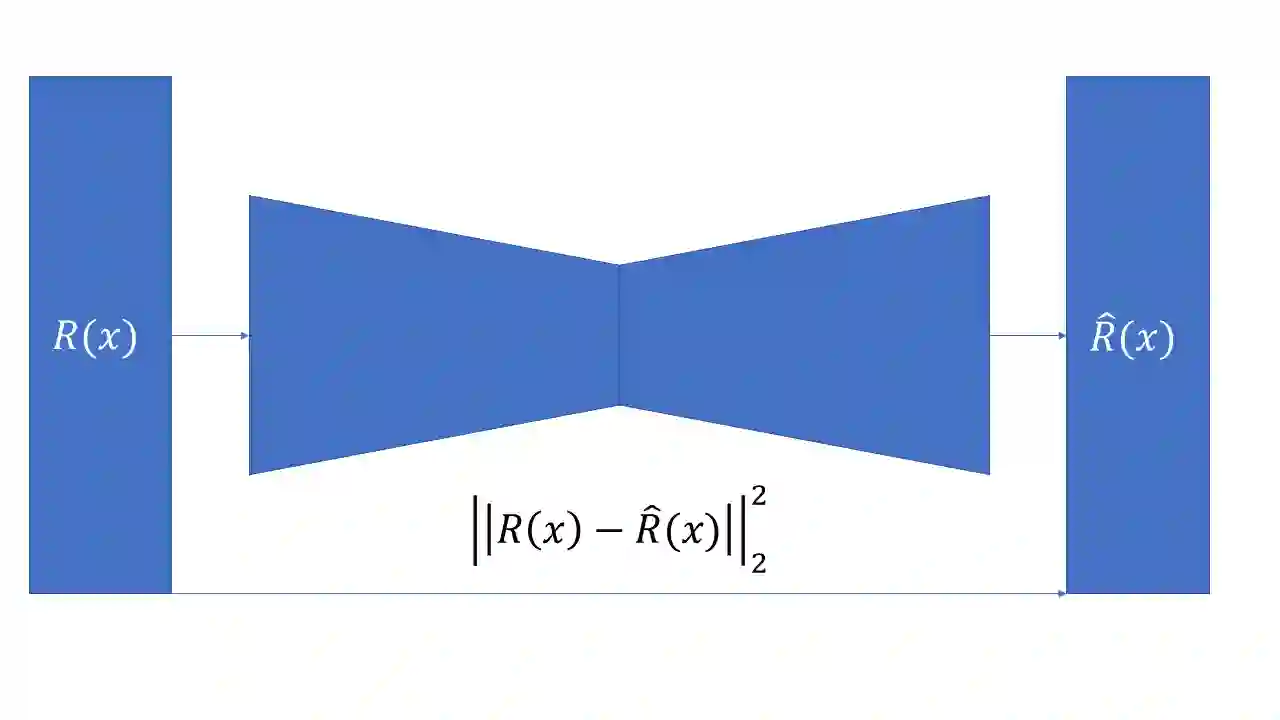
This work is addressing the problem of defect anomaly detection based on a clean reference image. Specifically, we focus on SEM semiconductor defects in addition to several natural image anomalies. There are well-known methods to create a simulation of an artificial reference image by its defect specimen. In this work, we introduce several applications for this capability, that the simulated reference is beneficial for improving their results. Among these defect detection methods are classic computer vision applied on difference-image, supervised deep-learning (DL) based on human labels, and unsupervised DL which is trained on feature-level patterns of normal reference images. We show in this study how to incorporate correctly the simulated reference image for these defect and anomaly detection applications. As our experiment demonstrates, simulated reference achieves higher performance than the real reference of an image of a defect and anomaly. This advantage of simulated reference occurs mainly due to the less noise and geometric variations together with better alignment and registration to the original defect background.
翻译:本工作致力于基于干净参考图像的缺陷异常检测问题。具体而言,我们聚焦于半导体扫描电子显微镜(SEM)缺陷以及若干自然图像异常。已有成熟方法可通过缺陷样本生成人工参考图像的模拟。在本研究中,我们介绍了该能力的多种应用场景,证实模拟参考图像有助于提升检测效果。涉及的缺陷检测方法包括:基于差分图像的经典计算机视觉方法、基于人工标注的有监督深度学习(DL)方法,以及基于正常参考图像特征层模式的无监督深度学习方法。我们通过实验展示了如何正确地将模拟参考图像应用于这些缺陷与异常检测任务。实验结果表明,模拟参考图像在缺陷及异常检测中取得了优于真实参考图像的性能。这一优势主要源于模拟参考图像具有更低的噪声与几何形变,同时能够更好地实现与原始缺陷背景的对齐与配准。




相关内容




 微信扫码咨询专知VIP会员